
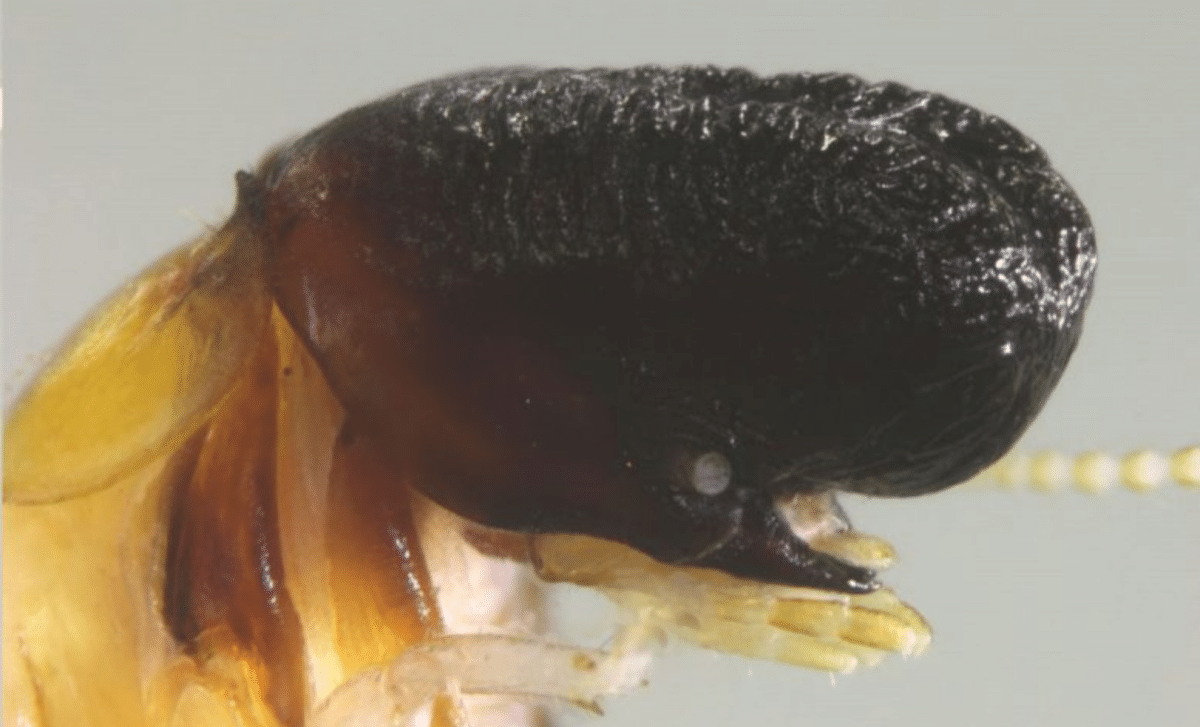
A fascinating new termite species, Cryptotermes mobydicki, has left the scientific community in awe, revealing a level of biodiversity previously unknown to researchers. This newly discovered termite, with its striking whale-like features, was identified in the canopies of South American rainforests, as reported in a recent study published in ZooKeys. The termite’s bizarre, elongated head bears a striking resemblance to that of a sperm whale, making this discovery one of the most unusual in the field of entomology. The study, led by a team of international scientists with Professor Rudolf Scheffrahn of the University of Florida, adds a new chapter to the ongoing exploration of insect diversity and the unexpected surprises that tropical ecosystems continue to offer.
Unveiling the Whale-Like Features of Cryptotermes Mobydicki
“This termite is unlike anything we’ve ever seen,” said Rudolf Scheffrahn, Professor of Entomology at the UF Institute of Food and Agricultural Sciences (UF/IFAS). The distinctive features of Cryptotermes mobydicki immediately caught the attention of researchers, especially its remarkably elongated head. This head, resembling a sperm whale, is a defining characteristic of the species and has prompted entomologists to compare it with one of nature’s most iconic animals.
The soldier termite’s frontal prominence stands out, much like a whale’s head, with the mandibles concealed under this unusual structure. The comparison between the termite and the sperm whale doesn’t end there, the position of the termite’s antennal socket closely mirrors the whale’s eye. It’s this lateral view, so strikingly similar to the anatomy of the whale, that led to the species being named after Herman Melville’s famous sea creature. As Scheffrahn noted, “The whale’s eye and soldier’s antennal socket are comparatively positioned,” a key observation that contributed to the whimsical yet fitting name Cryptotermes mobydicki.
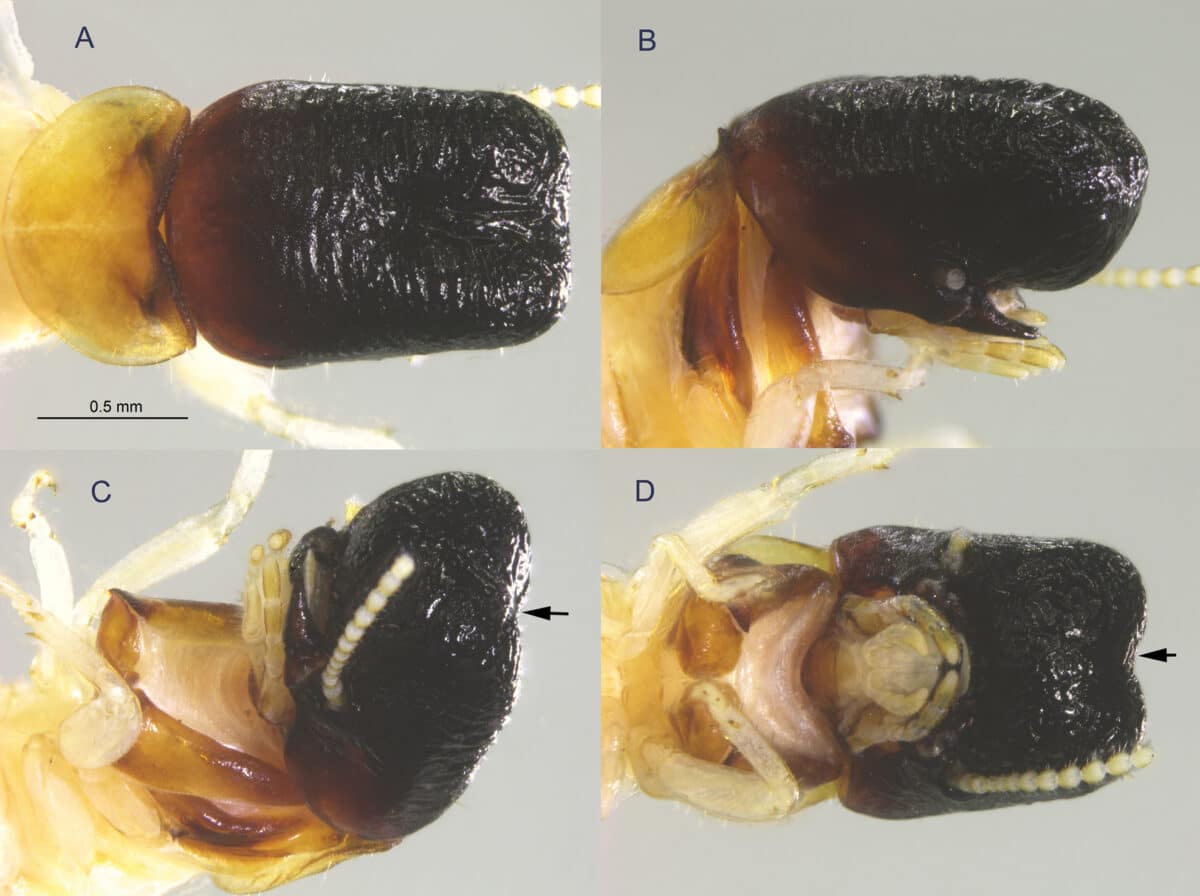 Holotype soldier of Cryptotermes mobydicki sp. nov. (FG1240), views of head and pronotum. A. Dorsal view; B. Lateral view; C. Oblique view; D. Ventral view. Arrows point to shallow incision of frontal process.
Credit: Rudolph Scheffrahn
A New Addition to the Cryptotermes Genus
The discovery of Cryptotermes mobydicki adds a significant new species to the Cryptotermes genus, bringing the total number of known species in this group to 16. This termite was found in a dead, standing tree approximately eight meters above the forest floor in French Guiana. Despite the termite’s unusual features, it is closely related to other neotropical species found in regions like Colombia, Trinidad, and the Dominican Republic, highlighting the species’ role in the broader evolutionary story of the Cryptotermes genus.
The findings of this research, published in ZooKeys, offer new insights into the evolutionary pathways of these termites. As a species within the Cryptotermes genus, mobydicki shares genetic similarities with other termites in the region. However, its distinctive anatomy, especially the whale-like head, marks a significant divergence from its relatives. This discovery underscores the complex and often surprising ways that evolution shapes the creatures of our planet, even in groups that might seem familiar at first glance.
The Importance of Biodiversity and Ongoing Exploration
“The discovery of this distinctive new termite species underscores the vast number of unnamed organisms yet to be discovered on our planet,” said Scheffrahn. This statement is a powerful reminder of how much of the natural world remains unexplored. Tropical rainforests, where this termite was discovered, are some of the richest ecosystems on Earth. Yet, despite their importance and diversity, they continue to harbor species that have never been seen by human eyes until now.
Biodiversity is essential not only for maintaining the health of ecosystems but also for advancing our understanding of life itself. Each new species discovered adds a piece to the puzzle of how life on Earth has evolved and how different organisms have adapted to their environments. The discovery of Cryptotermes mobydicki is just one example of the ongoing need for scientific exploration, particularly in areas that are still rich with undiscovered life forms.
A Termite With No Threat to Homes
While many termite species are infamous for causing damage to homes, Cryptotermes mobydicki poses no such threat. As a drywood termite species, it is limited to its rainforest habitat and does not spread to urban areas. Unlike invasive species that can wreak havoc on structures, this termite’s ecological niche remains confined to the tropical ecosystems of South America, ensuring it remains a harmless creature to humans.
For property owners in regions such as Florida, where invasive termites can cause significant financial damage, the discovery of Cryptotermes mobydicki brings a sense of relief. This termite species does not pose a risk to property or trade, making it a fascinating but harmless addition to the world’s termite population.