
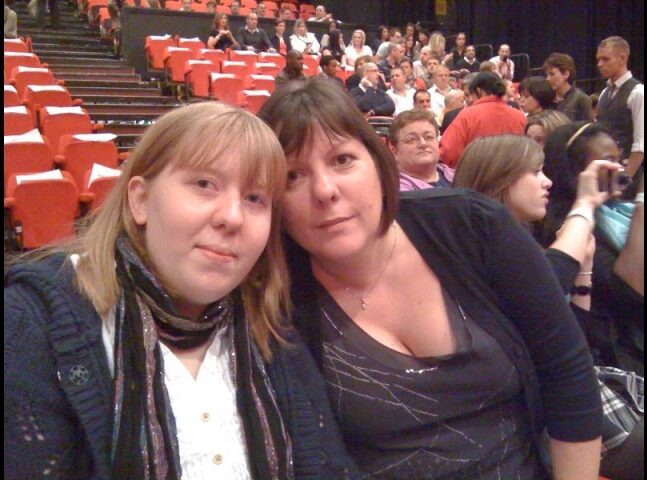
Tasha’s diagnosis
One day, almost 20 years ago, a worried parent from Bedfordshire searched online for advice and information about brain tumours. It was 2007 and Shona Floyd’s daughter, Natasha, known as Tasha, had been diagnosed with an inoperable brain tumour. As she was in the middle of her GCSEs, Tasha’s symptoms had initially been put down to exam stress: headaches, tiredness and problems with her vision.
But as she’d gained a place at college, the Saturday before term started, Shona took her for a routine eye check to ensure her reading glasses prescription was up to date. The ophthalmologist noticed Natasha’s retinas were bulging and advised her to go to A&E.
At hospital, a brain scan showed Natasha had a large build-up of fluid round her brain causing an increase in intracranial pressure. It was later diagnosed as a diffuse midline glioma – known at the time as a DIPG. This was unusual in someone in their later teens. And the prognosis was not good at 12 to 18 months. In fact, Tasha lived to be 24.
A call for help
Shona said: ““Tasha was 16 and a half and had been otherwise happy and healthy. As a military family, she went to a boarding school, so we relied on other people to care for her. All of a sudden, she had a brain tumour diagnosis and was left with less than 10 per cent vision.
“I felt like I needed to talk to somebody and I just Googled ‘who can help me with a brain tumour’ or something like that. The Samantha Dickson Brain Tumour Trust came up top, and I rang the number, spoke to a wonderful person and the rest, as they say, is history.
“While you have beautiful support from friends, family, and colleagues, I kind of felt quite alone. So, to be able to speak to somebody who told me, you’re not alone, was just amazing.”
Invaluable support
When she rang a second time, Shona spoke to the same person who had “a wonderful way about her” and provided continuity. It meant Shona didn’t have to explain herself all over again.
She was sent links to webpages and invited to attend information days. The Trust went on to become The Brain Tumour Charity, and Tasha became one of its first Young Ambassadors.
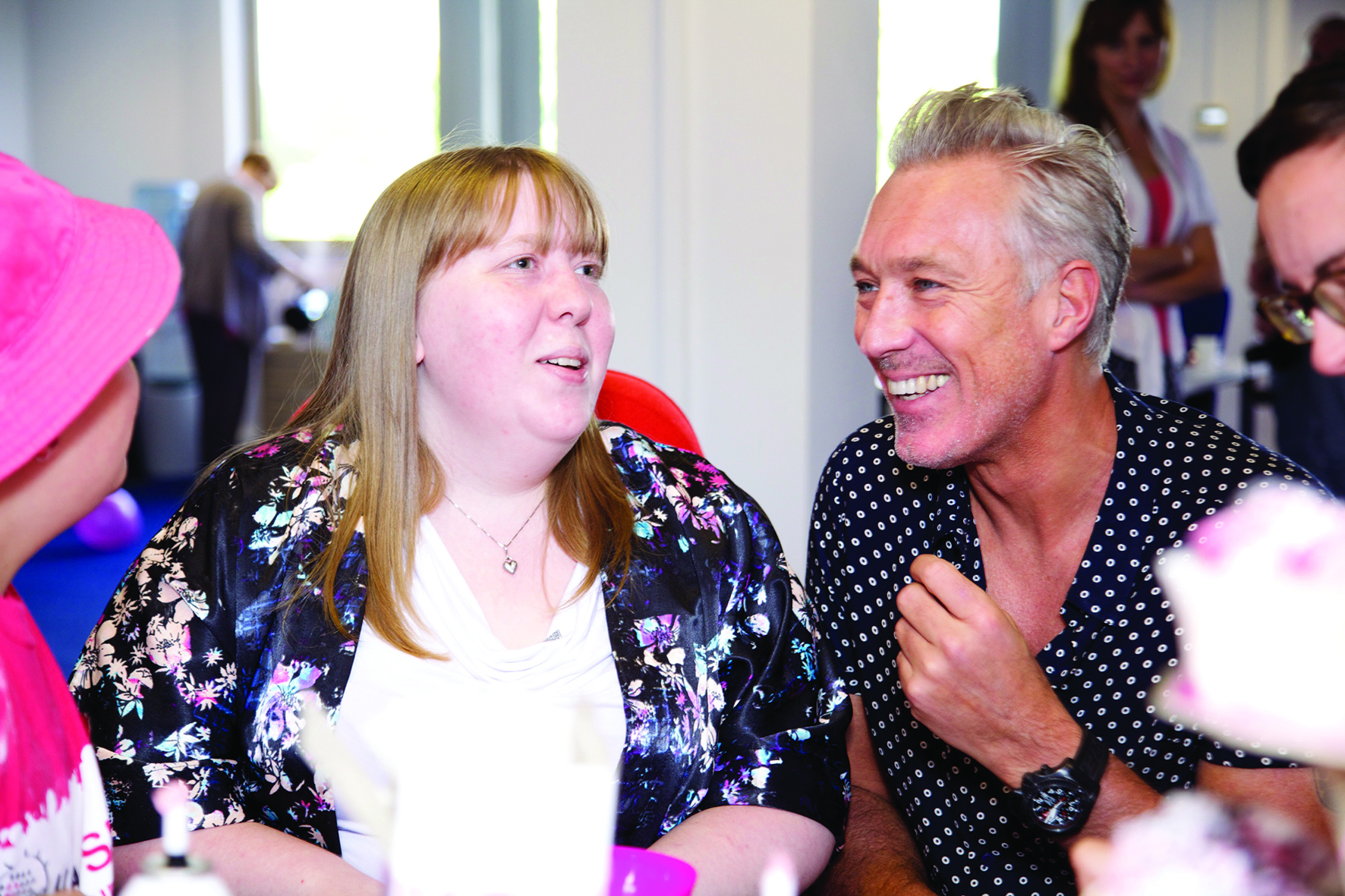 Tasha with singer and actor Martin Kemp at a HeadSmart event
Paying it forward
Ten years later, Shona started working for the charity that helped her – and she’s still here today in a vital role.
You can watch our interview with her here:
Shona said: “Neil and Angela’s amazing work – because of their sad loss – has made such a difference. I’m paying that forward in working here as Healthcare Engagement Manager.”
Her team includes Optical Engagement Manager Lorcan Butler. Between them, they help give healthcare professionals and eye specialists the confidence to recognise the signs and symptoms of brain tumours. That way, they aim to speed up referral for scans and eventual diagnosis. Her motivation? Tasha’s legacy.
“By getting people referred for scans earlier we want to ensure people have that bit of extra time. Not only to put their affairs in order but so that people have got time either to live a very long life or one without a hearing loss, or a sight loss because the tumour has grown much bigger – and it’s a quality life for the time that they have left. That for me is Tasha’s legacy.
If Tasha’s symptoms had been taken seriously sooner, we wouldn’t have changed her diagnosis or prognosis, but she may not have lost her eyesight.”
Shona
“Due to raised intracranial pressure, her optic nerves were damaged, and this left her with less than 10% vision which consisted of just light & dark. Nevertheless, she embraced her disability, learning to cope with all the daily challenges life threw at her. Not only did she cope with the harsh treatment needed but she never stopped smiling and making those around her smile.
Launching HeadSmart
“Although she struggled with her diagnosis, one day Tasha said: “I went to bed blind and with cancer and I will wake up blind and with cancer so I might as well just get on with it.”
“Tasha had a determination beyond many of her own age and an indomitable spirit. She had the utter belief that she could change brain tumour survival rates by telling her story.”
Tasha’s accomplishments in her short life are astonishing. She became the inaugural visually impaired National Boccia champion in March 2011. She also helped to launch The Brain Tumour Charity’s HeadSmart campaign – raising awareness of the vital need to recognise symptoms earlier.
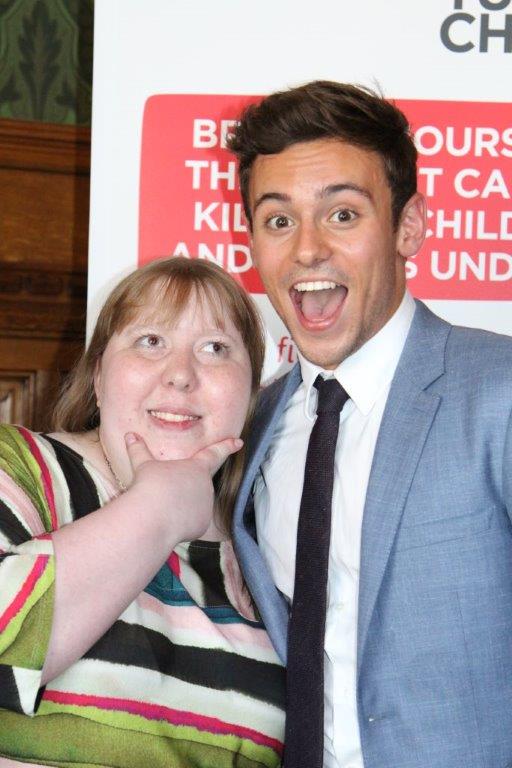 Tasha with Tom Daley
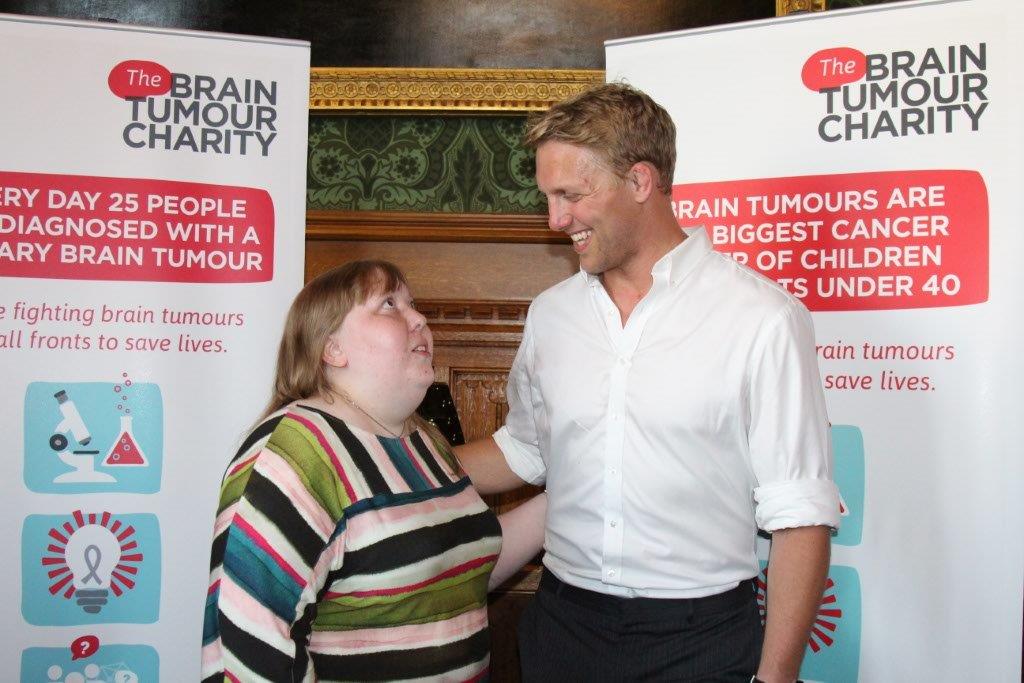 Tasha with Lewis Moody
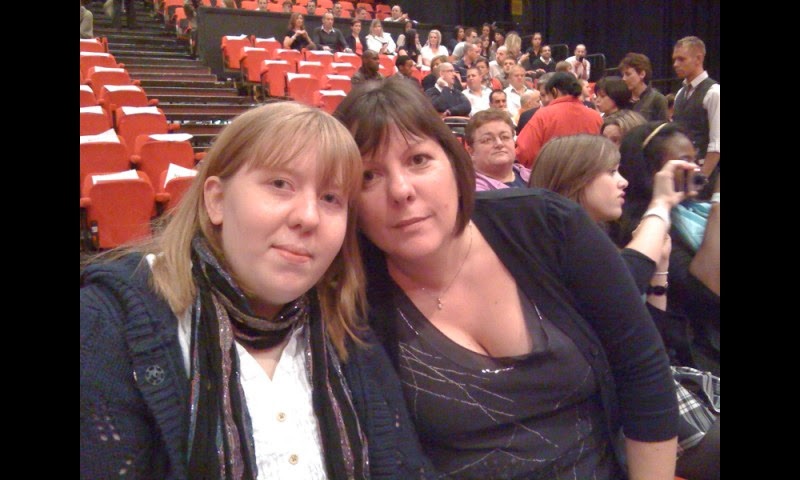 Tasha and her mum Shona
She studied part time to get the Maths GCSE that enabled her to go to university. She took a lead role in launching The Brain Tumour Charity’s five-year strategy, Defeating Brain Tumours, in which she talked passionately about the power of hope.
“I’m not ready to give up,” she said. “I will never accept there is no hope.”
And, ultimately, Tasha selflessly donated her brain to research. Who knows whether that will hold part of the answer to finding cures for those people still suffering.
We are hugely grateful to Shona for her energy, expertise, sense of humour and the passion she brings to her role at The Brain Tumour Charity.
Get support
If you need someone to talk to or advice on where to get help, our Support and Information team is available by phone, email or live-chat.