
 Yooyi is one of Ghana’s simplest fruits
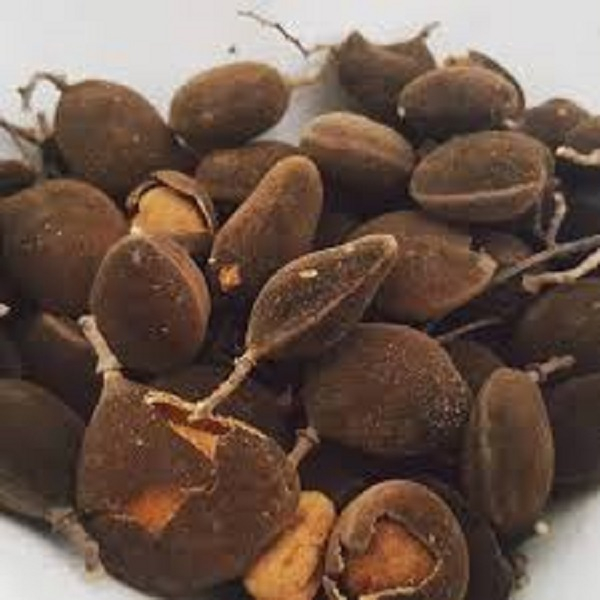
On the streets of Accra, it’s common to see children enjoy small black shelled-fruits, cracking them open to reveal a mildly solid and chewy orange pulp.
This fruit, known locally as “yooyi”, is more than just a tasty snack; it’s a nutritional powerhouse that deserves a place in modern diets.
Scientists call it Dialium Guineense, but in Ghana, the fruit known as “yooyi” is simply a childhood delight.
Its sweet and tangy taste is irresistible, yet few realize that beneath this black velvety shell lies a wealth of health benefits.
Health benefits of “yooyi”
“Yooyi” is high in Vitamin C and helps boost immunity, fortifying the body’s defenses against everyday illnesses. It has Vitamin A which supports vision health and boosts energy.
For women, the fruit has long been valued for easing menstrual cramps, thanks to its natural analgesic properties.
In traditional medicine, it is also used to help regulate blood sugar, making it a trusted ally in managing diabetes.
The benefits extend even further to parts of the “yooyi” plant. Extracts from its leaves are known to protect the stomach lining, treating ulcers and helping to prevent hypertension by lowering blood pressure.
Its fiber content aids digestion, ensuring a healthy gut, while its iron and magnesium in fruit strengthen bones and enrich the blood.
Nutritionists have argued that “yooyi” should be preferred over processed snacks. Unlike candies and sodas loaded with sugar and additives, “yooyi” offers natural sweetness with real nutritional value.
It is affordable, widely available, and deeply rooted in Ghanaian culture — making it both a health choice and a heritage food.
Possible negative effects of “yooyi”
While “yooyi” has been praised for its nutritional and medicinal value, health experts caution that excessive consumption may have negative effects.
The fruit’s natural acidity can erode tooth enamel if eaten in large quantities, leading to dental problems.
Its high fiber content, though beneficial for digestion, may also cause bloating or stomach discomfort when consumed excessively.
“Yooyi” contains natural sugars, which means people living with diabetes are advised to eat it in moderation and monitor their blood sugar levels.
In rare cases, allergic reactions such as itching or swelling have been reported.
Researchers also note that tamarind extracts may interact with certain medications, particularly blood-thinning drugs, increasing the risk of bleeding.
Despite these concerns, experts emphasise that “yooyi” remains safe and highly beneficial when enjoyed in moderation.
They recommend balancing its consumption with other fruits and maintaining good oral hygiene to avoid potential side effects.
Take home notes
In a world where processed snacks and sugary drinks dominate, “yooyi” offers a healthier alternative.
It is affordable, widely available, and deeply tied to Ghanaian tradition. Choosing “yooyi” means not only nourishing the body but also embracing heritage and supporting local farmers.
As lifestyles change and imported snacks dominate shelves, “yooyi” risks being overlooked. Yet, in a time when people are seeking healthier, sustainable options, this fruit stands out as a local superfood.
Choosing “yooyi” is not just about taste; it’s about embracing tradition, supporting local farmers, and nourishing the body naturally. In every shell lies a reminder that Ghana’s simplest fruits can be the most powerful allies for health.
VKB/VPO
Citizens speak on GoldBod Jewellery-Nana Aba Anamoah partnership