

The family of Henrietta Lacks has settled a lawsuit against the Pennsylvania-based generic drug maker Viatris, which it had alleged unlawfully profited from Lacks’ stolen “immortal” cells.
It’s the third settlement against a pharmaceutical company that developed treatments and other medical advancements from cells that were taken from Lacks’ cancerous tumor without her knowledge in 1951 at Johns Hopkins Hospital in Baltimore.
The cells became known known as the HeLa cell line and have contributed to multiple medical advancements such as polio and COVID-19 vaccines and research into cancer and AIDS.
They are known as immortal because normally human cells die quickly outside the body, but Lacks’ were the first to divide indefinitely in the lab.
Family attorney Ben Crump said in a statement that the terms of the settlement were confidential and that there would be no further comment.
“Just as we commented after the historic settlements with Thermo-Fisher and Novartis, members of the family of Henrietta Lacks and Viatris are pleased they were able to find a way to resolve this matter, filed by Henrietta Lacks’ Estate, outside of court,” Crump said.
Viatris did not immediately respond to request for comment.
The family settled in February with Novartis and in 2023 with Thermo Fisher Scientific. It has a pending lawsuit against Ultragenyx Pharmaceuticals.
The case against Viatris, filed in August 2024, was closed in the U.S. District Court of Maryland on Thursday after months of settlement talks.
Lawyers have argued that taking Lacks’ tissue for research was part of a conspiracy against Black women in racially segregated wards throughout the 1950s.
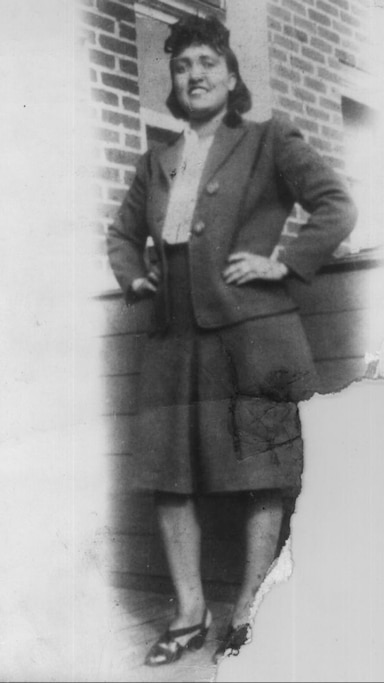 Henrietta Lacks, a 31-year-old mother of five, died of cervical cancer on Oct. 4, 1951. (Courtesy of the Henrietta Lacks estate)
The procedure at Hopkins rendered Lacks infertile but didn’t stop the spread of her cervical cancer, which ultimately caused her death in 1951.
Hopkins has not been accused of wrongdoing, and officials have said the hospital never sold or profited from the discovery of the HeLa cells and doesn’t own any rights. It has worked with the Lacks’ family to honor her contributions to research and health through scholarships and an annual symposium. It named a building after her on its East Baltimore medical campus in 2024.
Additionally, Congress passed the Henrietta Lacks Enhancing Cancer Research Act in 2021 to require study of how agencies address barriers to participating in federally funded cancer clinical trials by underrepresented groups and provide recommendations to address barriers.
And members of Maryland’s congressional delegation have sought to posthumously grant Lack a Congressional Gold Medal for her contributions to science.
Lacks’ lawyers have said they would continue to pursue pharmaceutical companies they said used the cells that have become critical to many areas of research as a matter of justice for the family and as a matter of racial and medical justice.
“Like anyone else, Black people have the right to control their bodies,” Crump said in a statement in 2024 at the time of filing a lawsuit against Ultragenyx. “Just as Ultragenyx takes advantage of Henrietta Lacks’ immortal cell line, they also take advantage of vulnerable individuals with rare illnesses by price gouging them for essential treatments.”