
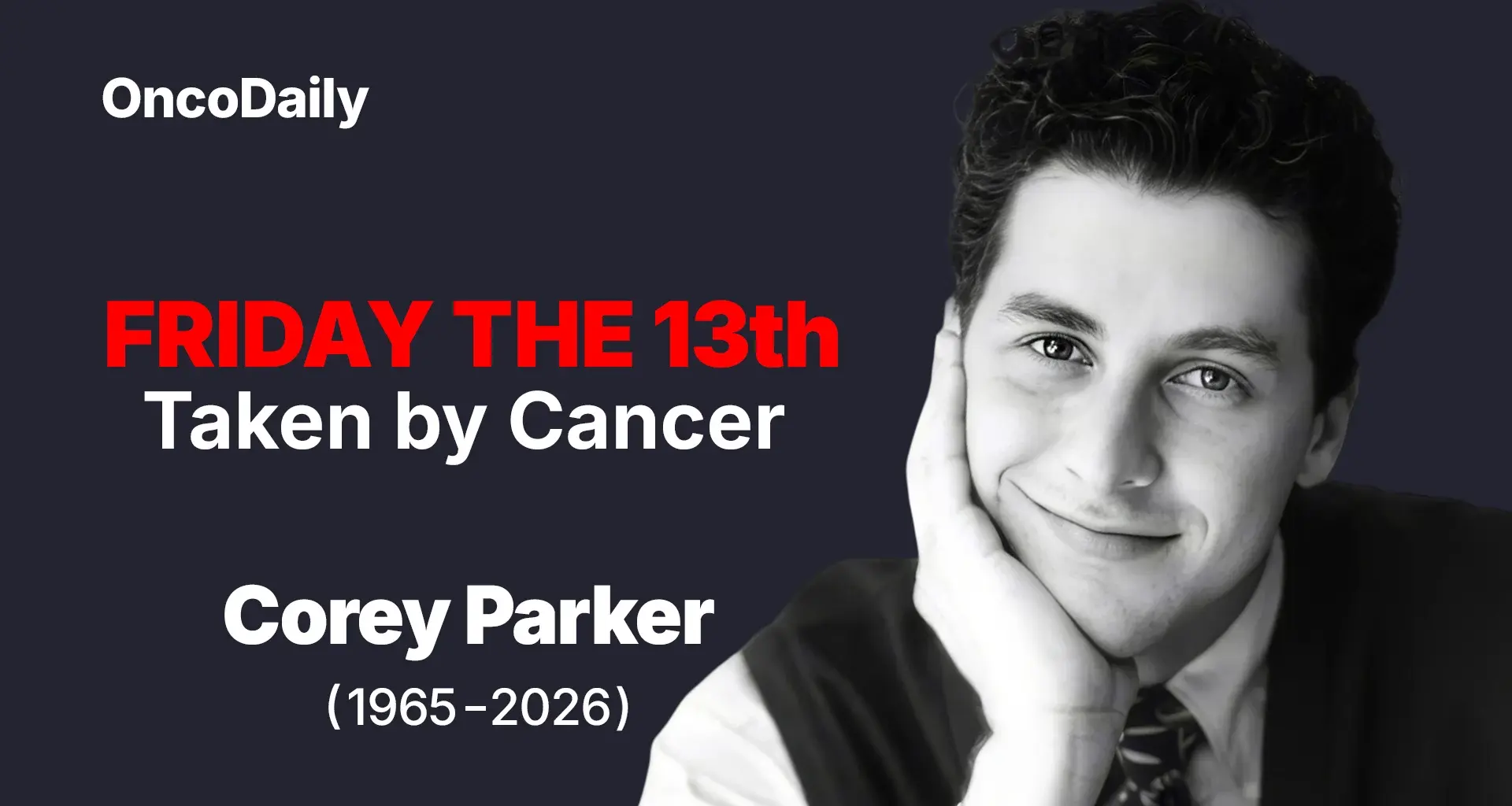
Corey Parker (1965–2026), best remembered as Josh the charming boyfriend of Grace Adler in the iconic sitcom Will & Grace captivated audiences with his boyish charm and sharp wit during the show’s 1998-2006 run. What fans didn’t know was that this beloved actor, who passed away on March 5, 2026, in Memphis, Tennessee, was privately waging a fierce battle against stage 4 metastatic adenocarcinoma, a diagnosis uncovered through pathology from a routine 2025 hip surgery for unexplained pain.
In raw GoFundMe updates, Parker shared the harsh reality: “Cancer is wearing down my body… but I stay strong inside,” revealing how the disease ravaged 90% of his bones by November 2025, impairing speech and mobility. His story exposes the brutal progression of late-stage bone metastases common in adenocarcinoma’s glandular spread and the devastating insurance gaps that left him self-paying after SAG coverage lapsed.
These candid posts not only humanize advanced cancer’s toll but also spotlight systemic barriers in U.S. healthcare, urging earlier interventions and policy reform.
Early Signs and Diagnosis
Corey Parker‘s cancer journey began subtly with persistent hip pain in 2025, initially dismissed as age-related wear on a man in his late 50s. Routine surgery to address the issue uncovered a shocking pathology: stage 4 metastatic adenocarcinoma, originating from glandular tissue likely lung or unknown primary—had silently invaded his skeletal system. This diagnosis thrust him into the harsh reality of advanced disease, where cancer cells exploit bone’s rich blood supply for metastatic “tropism,” a hallmark of adenocarcinomas comprising 40% of non-small cell lung cancers.
By November 2025, imaging revealed the malignancy had spread to approximately 90% of his bones, from spine to limbs, causing fractures, unrelenting pain, and functional decline. Oncologically, this reflects adenocarcinoma’s propensity for osteotropism via RANKL pathways and vascular mimicry, leading to hypercalcemia and pathologic fractures in up to 70% of late-stage cases. Parker’s biopsy confirmed the aggressive histology, shifting focus from curative intent to palliation amid rapid progression.
Early detection gaps post-surgery underscore a critical lesson: unexplained bone pain in midlife warrants prompt imaging and biopsy, as skeletal mets signal median survival under 12 months without systemic therapy.
Treatment Journey
Parker’s treatment odyssey pivoted to palliation after his stage 4 adenocarcinoma diagnosis, prioritizing pain control over cure in a body ravaged by bone metastases. Radiation therapy initially targeted at hip and arm lesions provided fleeting relief from fractures and neuropathic agony but triggered severe esophageal damage, eroding his ability to eat, speak clearly, and maintain alertness, a common toxicity in 20-30% of palliative RT cases.
Compounding clinical woes, Parker’s SAG-AFTRA health insurance lapsed amid career gaps as an acting coach, forcing him to self-fund escalating costs scans, meds, and therapies exposing U.S. healthcare’s fragile safety net for freelancers. By February 2026, oncologists deemed his disease terminal, with speech slurring and typing incapacity signaling neurologic compromise from skeletal overload and hypercalcemia.
Hospice preparation ensued, focusing on comfort as bone mets progressed unchecked. This trajectory starkly contrasts NCCN/ESMO guidelines advocating bisphosphonates (zoledronate) or denosumab to avert skeletal-related events reducing fractures by 40% and pain by 25% in adenocarcinoma bone disease—ideally paired with systemic options like immunotherapy if actionable mutations existed. Parker’s saga underscores guideline-discordant care in insurance voids: early bone-modifying agents plus chemo could extend quality life, yet access barriers prevailed.
His raw updates “cancer wearing down my body” illuminate late-stage adenocarcinoma’s relentlessness, urging policy fixes for equitable palliation.
Functional decline exacted a profound toll speech impediments silenced his signature wit, typing loss severed digital connections, and constant pain eroded daily joys like coaching sessions or family gatherings, shrinking quality of life to bare essentials. Yet Parker’s spirit shone through, transforming vulnerability into quiet defiance, a testament to the human capacity for grace under metastatic siege.
Legacy and Awareness
Parker’s GoFundMe surpassed $60K, easing final burdens and fueling tributes from family, peers, and fans who celebrated his warmth beyond Will & Grace. Sister Noelle’s heartfelt posts amplified his story, turning personal tragedy into communal mourning.
Celebrity narratives like his normalize advanced cancer discourse, destigmatizing stage 4 realities and bone mets’ relentlessness much like your prior pieces on public figures. His case urges post-surgical vigilance: unexplained pain demands biopsy, potentially catching adenocarcinoma early when survival odds soar.
You Can Also Read James Van Der Beek Dies at 49 Following Battle with Colorectal Cancer by OncoDaily
Written by Aharon Tsaturyan, MD, Editor at OncoDaily Intelligence Unit
FAQ
What type of cancer did Corey Parker have?
Stage 4 metastatic adenocarcinoma, discovered via 2025 hip bone pathology; spread to 90% of bones by November.
When did Corey Parker die?
March 5, 2026, at age 60 in Memphis, Tennessee, after terminal decline.
What was Corey Parker’s cause of death?
Complications from stage 4 metastatic adenocarcinoma.
How was his cancer discovered?
Bone pathology from hip replacement surgery revealed advanced mets.
Did radiation treatment work for Parker?
Provided pain relief for arm/hip but damaged esophagus, impairing speech/awareness.
Why did Parker’s insurance lapse?
SAG-AFTRA coverage ended due to career gaps as acting coach; led to self-pay burdens.
Was Corey Parker’s cancer declared terminal?
Yes, by February 2026; hospice prep followed speech/typing loss.
What was the GoFundMe for?
Raised $60K+ for medical/family support amid terminal care.
Who is Noelle in Parker’s story?
His sister, who shared updates and coordinated hospice.
How did Parker’s cancer affect his career?
Ended acting/coaching; focused on pain management, highlighting freelance artist vulnerabilities.