
A new experimental pill may offer hope to millions of people living with obstructive sleep apnea, a condition that repeatedly disrupts breathing during sleep. Researchers in Europe report that the drug significantly reduced breathing interruptions in patients with moderate to severe cases of the disorder.
The findings come from a clinical trial published in The Lancet, one of the world’s leading medical journals. Scientists say the medication could become an alternative treatment for patients who struggle to use the standard therapy involving a pressurized air mask.
Obstructive sleep apnea affects millions worldwide. The disorder occurs when throat muscles relax too much during sleep, causing the airway to collapse. This leads to repeated pauses in breathing, drops in oxygen levels, and fragmented sleep. Over time, untreated sleep apnea can increase the risk of serious health problems such as high blood pressure, heart disease, stroke, and Type 2 diabetes.
The new research focuses on sulthiame, a medication that has been used for years to treat certain forms of epilepsy in children. Scientists are now examining whether the drug can help adults with sleep apnea by improving the body’s natural drive to breathe.
Clinical trial shows significant improvement
The European trial involved 298 participants diagnosed with moderate to severe obstructive sleep apnea. Patients were recruited from four countries and randomly assigned to receive either the drug or a placebo.
Researchers used a double-blind design, meaning neither the participants nor the investigators knew who received the medication during the study. About one-quarter of the volunteers were given a placebo, while the rest received varying doses of sulthiame.
Results showed that patients taking higher doses of the drug experienced up to a 47% reduction in nighttime breathing interruptions compared with those taking the placebo. In addition, many participants recorded improved oxygen levels during sleep.
Most side effects reported during the study were mild and temporary. Researchers said the medication was generally well tolerated by the participants.
Potential alternative to CPAP therapy
Experts say sulthiame appears to work by stimulating the body’s breathing control system. By strengthening the signal to breathe, the drug may help prevent the upper airway from collapsing during sleep, which is the primary cause of obstructive sleep apnea.
Jan Hedner, senior professor of pulmonary medicine at the Sahlgrenska Academy at the University of Gothenburg, said the approach has been explored for years but is now showing encouraging results. According to Hedner, the study suggests that medication could eventually become a viable treatment option for the condition.
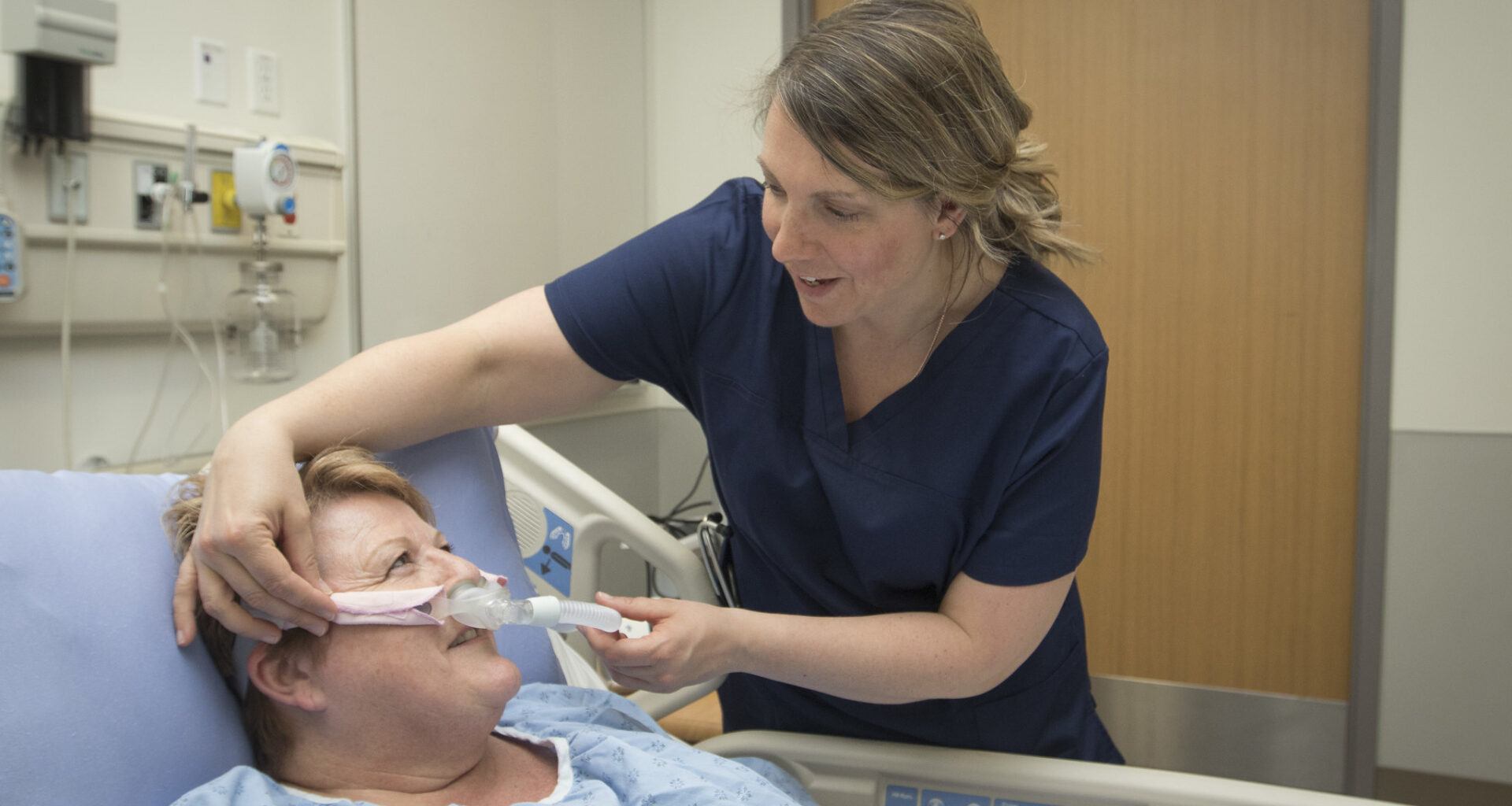
Currently, the most common treatment for obstructive sleep apnea is continuous positive airway pressure, or CPAP. The therapy uses a mask that delivers pressurized air to keep the airway open during sleep. Although effective, many patients find the mask uncomfortable, and about half stop using it within a year.
Researchers say the promising trial results do not mean the pill is ready for widespread use. Larger and longer studies will be required to confirm its long-term safety and effectiveness.
Scientists from the University of Gothenburg, including Ludger Grote and Kaj Stenlöf, played a key role in the research. Investigators say the drug could represent an important step toward developing the first pill designed specifically to treat obstructive sleep apnea.