
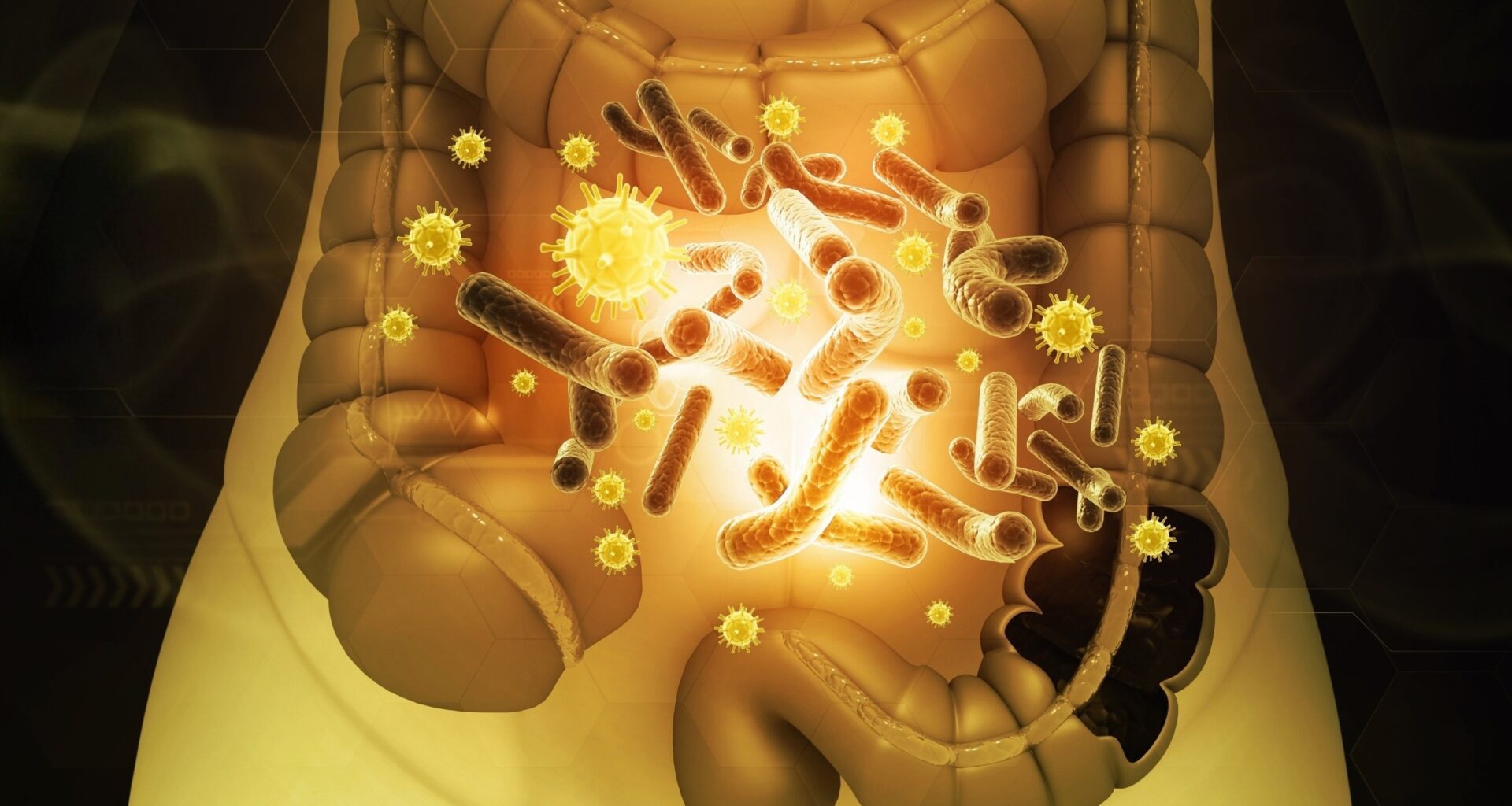
Tiny microbes live in the human gut. They help digest food, support the immune system, and affect how the body uses energy. Scientists now think they may also influence muscle strength.
Muscles often weaken with age. Exercise and diet help, but researchers believe gut bacteria may also play a role.

Scientists noticed one microbe appearing more often in people with stronger muscles.
Researchers from the University of Almería, the University of Granada, and Leiden University Medical Center began studying this connection.
A surprising link inside the gut
The research team focused on bacteria belonging to the Roseburia genus. These microbes are already known for helping the gut produce beneficial compounds during digestion. The new findings suggest they may also support muscle health.
Jonatan Ruiz, professor in the Department of Physical Education and Sport at the University of Granada and researcher at the Joint University Institute for Sport and Health (iMUDS), explained the broader meaning of the results.
“Taken together, our findings provide solid evidence confirming the existence of an gut-muscle axis in which this identified bacterium positively modulates muscle metabolism and muscle strength,” said Ruiz.
What the human tests showed
To explore the connection, the researchers studied stool samples from two groups of volunteers.
The first group included 90 healthy young adults between 18 and 25 years old. The second group included 33 older adults age 65 or older.
Participants completed several physical fitness tests. These included handgrip strength, leg strength, and upper body strength through chest muscle testing.
The experts also measured maximum oxygen consumption, a common way to assess cardiorespiratory fitness.
Beneficial bacteria in the gut
Among many bacterial groups in the gut, Roseburia stood out. Higher levels of these microbes appeared alongside greater muscle mass and strength.
One species in particular, Roseburia inulinivorans, showed a clear link with physical fitness. Older adults who carried this bacterium displayed 29% greater handgrip strength compared to those without it.
In younger adults, higher amounts of the same microbe lined up with stronger grip strength and better cardiorespiratory capacity.
Other members of the Roseburia family showed different patterns. Roseburia intestinalis appeared related to leg and upper body strength in young adults, while Roseburia faecis and Roseburia hominis showed no meaningful link to the physical indicators measured in the study.
Clues from mouse experiments
Human data revealed a strong association, but the researchers wanted to see whether the bacteria could directly influence muscle function. To test that idea, they turned to laboratory mice.
Scientists first reduced the animals’ natural gut microbes using antibiotics. Then, they introduced human strains of Roseburia into the mice once a week for eight weeks.
The results were striking. Mice that received the bacteria showed about a 30% increase in grip strength in their forelimbs compared to animals that did not receive the treatment.
The muscles themselves also changed. The treated mice developed larger muscle fibers and a greater share of type II muscle fibers in the soleus muscle of the calf.
These fast-twitch fibers are closely tied to strength and power. Researchers also observed shifts in proteins and enzymes involved in how muscles produce energy.
Why levels drop with age
One important detail emerged when scientists compared younger and older participants. The Roseburia bacteria appeared less frequently in older adults.
That drop could help explain why muscle mass tends to decline later in life. If these microbes play a role in muscle metabolism, losing them might weaken the support system muscles rely on.
“This opens up the possibility that the bacterium under investigation could be used as a probiotic to help preserve muscle strength during aging,” explained Borja Martínez Téllez, a researcher at the University of Almería.
The idea is simple but promising. Instead of targeting muscles directly, scientists might help the body maintain strength by supporting certain gut microbes.
Questions that still need answers
The research team emphasized that several questions remain unanswered. In the mouse experiments, the human strains of Roseburia did not permanently settle in the animals’ intestines.
Scientists also did not directly examine biological pathways such as inflammation or nerve signals between muscles and the nervous system.
Future research still needs to answer an important question. Does Roseburia inulinivorans help make muscles stronger, or do stronger people simply have more of this bacterium in their gut?
Even with that uncertainty, the results suggest something interesting. The gut and muscles may be more connected than scientists once thought.
The full study was published in the journal Gut.
—–
Like what you read? Subscribe to our newsletter for engaging articles, exclusive content, and the latest updates.
Check us out on EarthSnap, a free app brought to you by Eric Ralls and Earth.com.
—–