
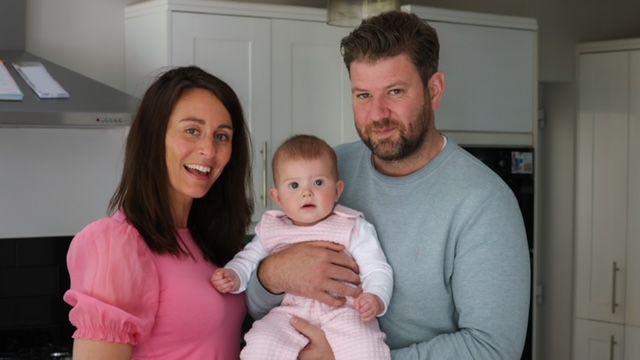
A grieving husband has called for more funding for research into brain tumours, which experts say are indiscriminate and can impact anyone at any age.
Kris Beasley, 39, from Chippenham in Wiltshire, is speaking out after his wife, Carly, died of the disease in September 2025, aged 38.
Beasley and his four-year-old daughter, Ivy, have just had their first Mother’s Day without Carly. He said the hardest part was knowing that Carly will miss watching her grow up and will not be there to guide Ivy.
“The silence, the milestones, the everyday moments, everything is different,” he said. “The impact on our family has been devastating. Losing her has left a space that can never be filled.”
Account manager Carly was 30 when she suffered a seizure out of the blue in September 2017.
A low-grade oligodendroglioma – a type of primary brain tumour – was removed and her life returned to normal.
But after giving birth to their daughter in 2021, Carly’s tumour returned.
She underwent radiotherapy and chemotherapy treatment, but her condition worsened and the mum-of-one died in September 2025.
“To watch someone you love and someone so fun and energetic get almost taken bit by bit by such a devastating disease, it’s just really difficult to watch,” Beasley continued.
Beasley is working alongside the Research Centre of Excellence at the University of Plymouth, where experts have warned that brain tumours are indiscriminate and can affect anyone, at any age.
Together with the centre, Beasley is helping to raise awareness for Brain Tumour Awareness Month, which runs throughout March.
During this month alone, more than 1,000 people in the UK will learn they have a brain tumour – a disease that kills more children and adults under the age of 40 than any other cancer.
Beasley told Radio Wiltshire: “You want to try and make a difference when you’ve been through it and give other families hope.
“Brain tumours are one of the most underfunded cancers, and too many families are facing the same heartbreak.
“While it’s too late for Carly, it isn’t too late for others.”
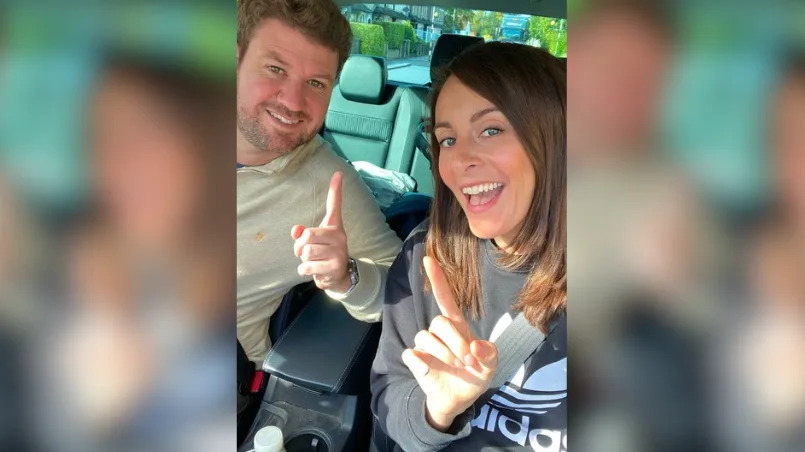
Carly died in 2025 after rounds of chemotherapy and radiotherapy [Brain Tumour Research]
At the Brain Tumour Research Centre of Excellence at the University of Plymouth, scientists are investigating glioma, which includes oligodendroglioma, to pave the way for more effective treatments.
Researchers are looking at why gliomas occur and how they change from low to high grade.
Letty Greenfield, community fundraising manager at the centre, added: “We urgently need greater funding to improve outcomes, develop kinder treatments and, ultimately, find a cure so that other families are spared this devastation.”
Follow BBC Wiltshire on Facebook, X and Instagram. Send your story ideas to us on email or via WhatsApp on 0800 313 4630.
More on this storyRelated internet link