

Listen to this article
Estimated 5 minutes
The audio version of this article is generated by AI-based technology. Mispronunciations can occur. We are working with our partners to continually review and improve the results.
Newfoundland and Labrador is taking a step that could protect its federal transfer payments and meet Ottawa’s demand that medically necessary services provided by nurse practitioners are covered by provincial health plans.
Last summer, the former Liberal government announced a pilot project to pay nurse practitioners with public money. It means patients seeing the approximately 20 nurse practitioners enrolled in the project no longer had to pay out of pocket for their services.
In March, Newfoundland and Labrador’s new health minister said that program will become the province’s permanent funding model for nurse practitioners.
“We have our nurse practitioner model ready to roll out,” said Lela Evans.
As of April 1, all full-time nurse practitioners who have signed onto the model will be able to provide health-care services to patients without charging the patient, Evans said.
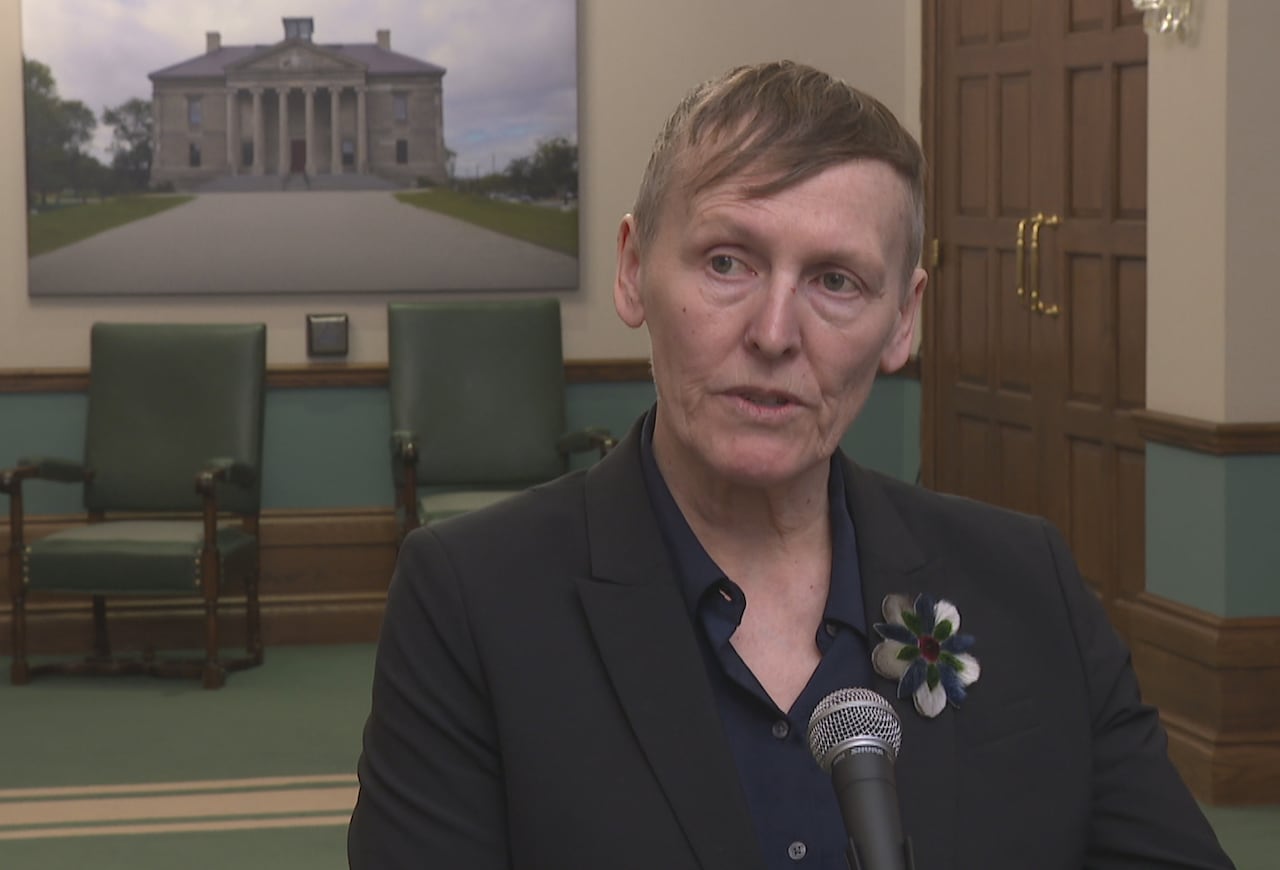 Newfoundland and Labrador Health Minister Lela Evans say patients won’t have to pay out of pocket for nurse practitioners services that are covered by the provincial health plan. (Henrike Wilhelm/CBC)
That promise comes months after the federal government warned it will enforce the Canada Health Act and dock federal transfer payments to provinces and territories by the same amount they allow patients to be charged by nurse practitioners for medically necessary services.
It’s unclear if all of Newfoundland and Labrador’s almost 400 nurse practitioners want to be paid with the publicly funded model the province is offering.
“There are some out there who are still not sure if they want to go under this model,” Evans said. “So we’re looking at them and saying, we’ll engage with you. There’s no deadline and we’re open to having as many nurse practitioners sign as possible.”
In Newfoundland and Labrador, nurse practitioners have a broad scope of practice. Like family doctors, they can diagnose patients, prescribe drugs, order medical tests and refer patients to specialists. Family doctors have training to manage complex cases, perform some minor surgical procedures and more invasive diagnostic procedures.
Federal deadline
Ottawa has set a deadline for compliance with what it is calling its Canada Health Act services policy.
Health Canada communications advisor Karine LeBlanc said in an email to CBC News that when the policy comes into effect on April 1, patient-paid fees to see physicians or others providing equivalent services “will be considered extra-billing and user charges under the CHA.”
Health Canada is giving provinces and territories a grace period to comply with the new policy. It says they won’t face reductions for patient charges incurred between April 1 and March 31, 2027, if they eliminate all patient charges for physician-equivalent services by December 2028.
Nurse practitioner group pleased
Leaders with the Newfoundland and Labrador Nurse Practitioner Association are applauding the province for making the pilot project permanent.
“This has been a long time coming. This is something that we have been working on with previous governments, and the current government is very committed to seeing this through. So we are very excited,” said the association’s president Jessica Peddle.
The new payment model means Newfoundland and Labrador will be one of four provinces, including Ontario, New Brunswick and British Columbia, that pay nurse practitioners who are private contractors through their provincial health plans.
“It’s nice to be a trailblazer and not a follower,” said Peddle. “We’re very proud to finally get the respect and recognition that we have been longing for.”
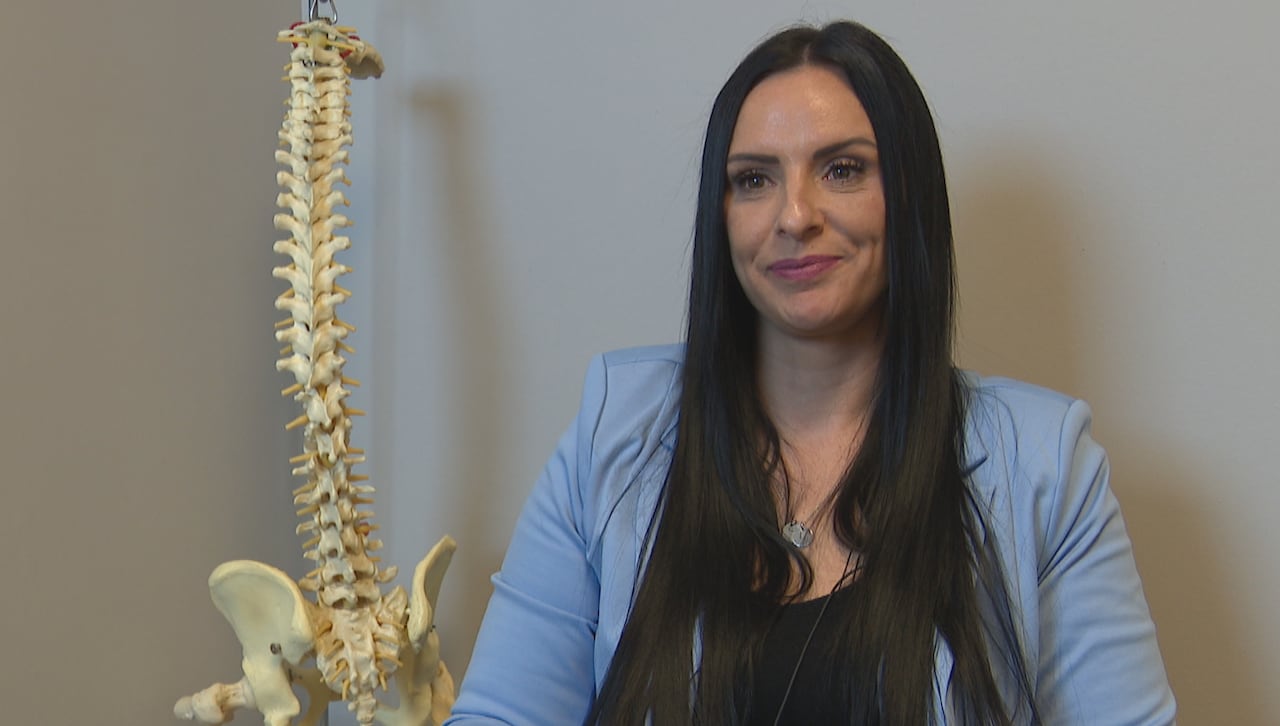 Jessica Peddle is president of the Newfoundland and Labrador Nurse Practitioner Association. (Mark Quinn/CBC)
Peddle said many nurse practitioners didn’t want to bill patients directly, and sometimes provided services for free to patients who couldn’t pay. She also said the new payment model will increase access to primary care at a time when tens of thousands of Newfoundland and Labrador’s approximately 500,000 residents don’t have a family doctor.
“Most importantly, patients will no longer have to pay out of pocket for primary health care services or to have to pay to see a nurse practitioner. It removes that financial barrier,” said Peddle.
Private practice NP switching to new model
Trent McDonald is one of the province’s nurse practitioners making the move to the new payment model.
It means he’ll be paid a flat fee, like a salary, and some of his overhead costs, to take on a roster of 800 patients.
“I’m delighted actually because at our clinic we’ve seen probably 35,000 primary health-care visits since 2019 and we’ve never had to turn patients away if they never had money. It was just like a barrier that existed but the government is finally on board,” he said.
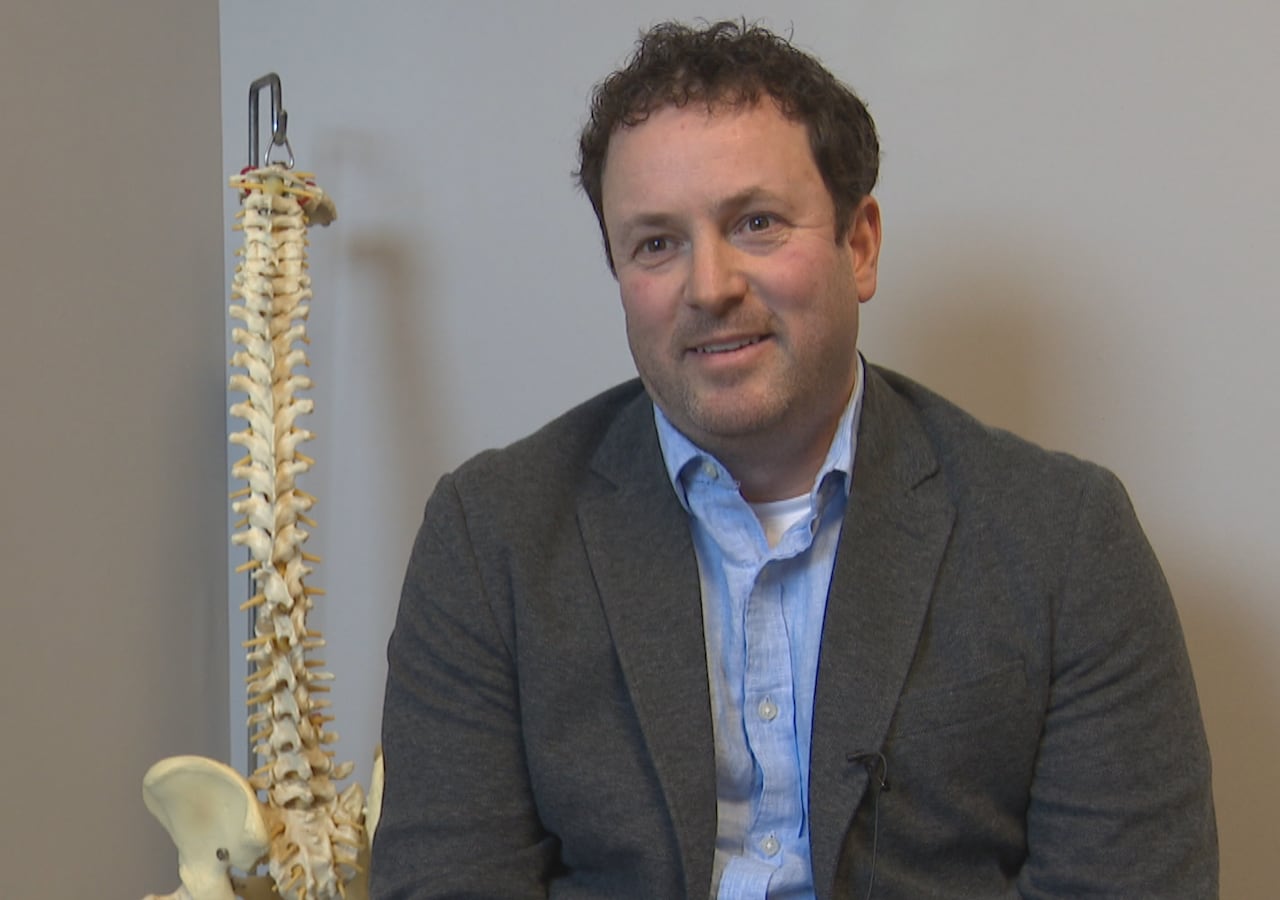 Trent McDonald is a nurse practitioner in St. John’s. He’s also the vice president of the Newfoundland and Labrador Nurse Practitioner Association. (Mark Quinn/CBC)
“It’s really meaningful and impactful on patients’ lives. This is a good thing. I have patients that I’ve been seeing since 2019 and I know that they couldn’t afford it so I haven’t charged them. I have other patients who can afford to pay and they’ve actually covered the costs for other patients. So, it’s going to be a stress gone.”