
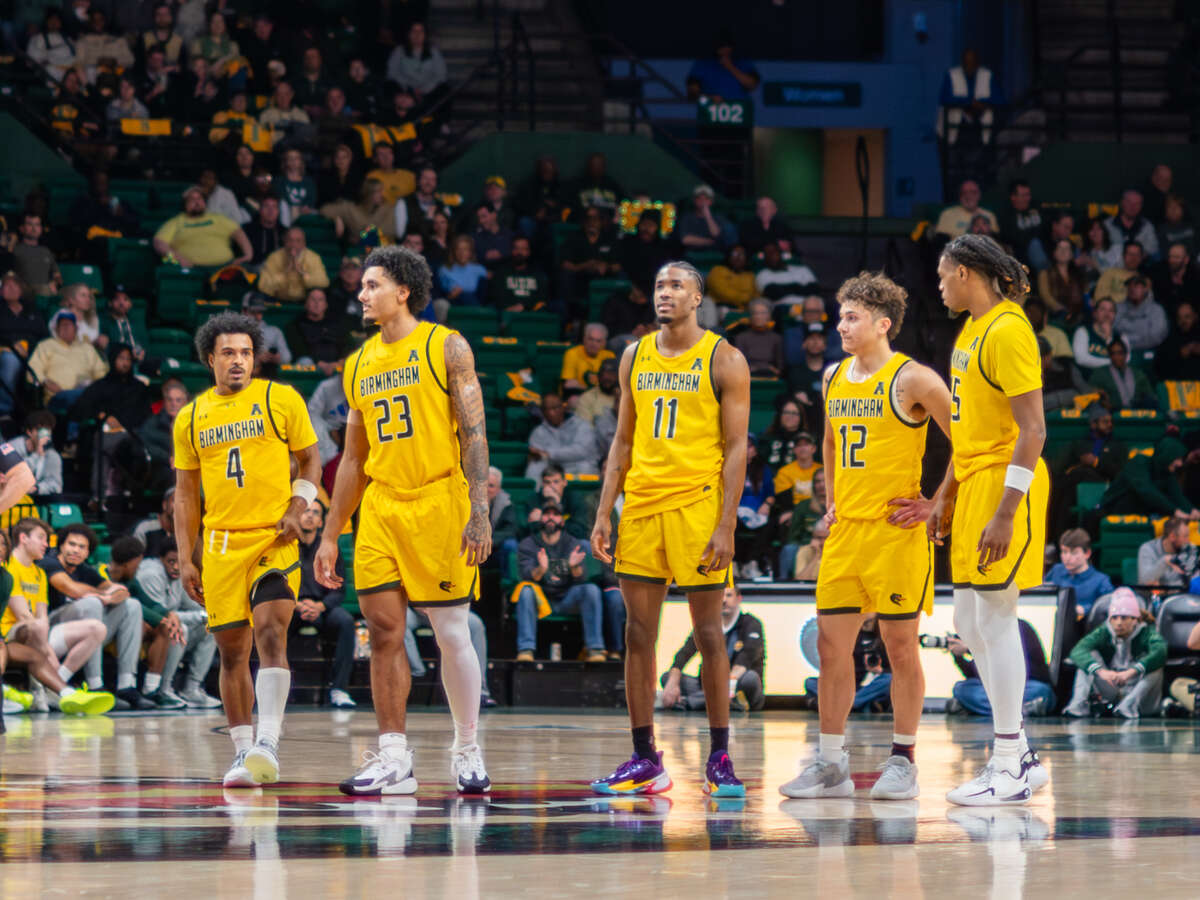
UAB expert Elizabeth Liptrap, M.D., stresses the importance of concussion safety and prevention while playing basketball. Concussion risks in basketball players are often overlooked compared to high-impact sports like football and hockey. However, head injuries in basketball are more common than many realize, making awareness and prevention crucial for athletes at all levels.
While players and coaches focus on 3-pointers and game-winning plays, one University of Alabama at Birmingham expert stresses that another priority should be at the top of every game plan: concussion safety.
Understanding concussions
A concussion is a type of traumatic brain injury caused by a bump, blow or jolt to the head or body that forces the brain to move rapidly within the skull. Contrary to popular belief, many concussions do not result in loss of consciousness, making them harder to recognize.
“Oftentimes players don’t realize they’ve had a concussion because the symptoms aren’t always immediate,” said Elizabeth Liptrap, M.D., assistant professor in the UAB Department of Neurosurgery. “An athlete might feel fine at first, only to experience headaches, dizziness or difficulty concentrating hours or even days later.”
In basketball, concussions commonly occur from collisions, falls and unintentional elbows to the head. Players who are hit — even if they do not lose consciousness — may still experience lingering effects that impact their ability to play and function.
“Even a mild concussion isn’t something to brush off,” Liptrap said. “An untreated brain injury can lead to long-term complications, which can ultimately affect daily functions.”
Signs and symptoms: When to seek medical attention
Recognizing a concussion early is critical to protecting an athlete’s long-term health, recovery and performance. Unlike visible injuries, like cuts and broken bones, concussions can be more subtle.
According to Liptrap, this is why it is essential for players, coaches and parents to stay vigilant and proactive when assessing potential head injuries.
Common symptoms include:
Persistent or worsening headache
Dizziness or balance issues
Vision disturbances, such as double vision or light sensitivity
Confusion or memory loss
Sensitivity to light and noise
Nausea or vomiting
Difficulty concentrating or processing information
If a player experiences any of these symptoms following a hit to the head or body, they should be removed from play immediately and evaluated by a health care provider.
“If a player takes a hit and says something feels ‘off,’ that’s enough reason to take a step back and get them evaluated,” Liptrap said.
Prevention tips
While concussions are a serious concern in basketball, many injuries can be prevented with the right approach.
Liptrap highlights several strategies for reducing risk and keeping athletes on the court safely:
Create a safe sports culture: Coaches, teammates and spectators should foster an environment where safety is a priority. Players should never feel pressured to “tough it out” if they experience symptoms of a concussion.
Maintain a safe playing environment: Courts should be kept dry and free of obstacles to reduce slips and falls. Officials should enforce rules that discourage reckless or overly aggressive play.
Educate players, coaches and spectators: Awareness is one of the most effective tools for preventing concussions. Athletes and their support networks should be familiar with concussion risks, symptoms and proper medical protocols.
While basketball captivates audiences nationwide, Liptrap emphasizes that recognizing concussion risks and taking preventive steps to keep athletes safe should be as much a priority as winning.