
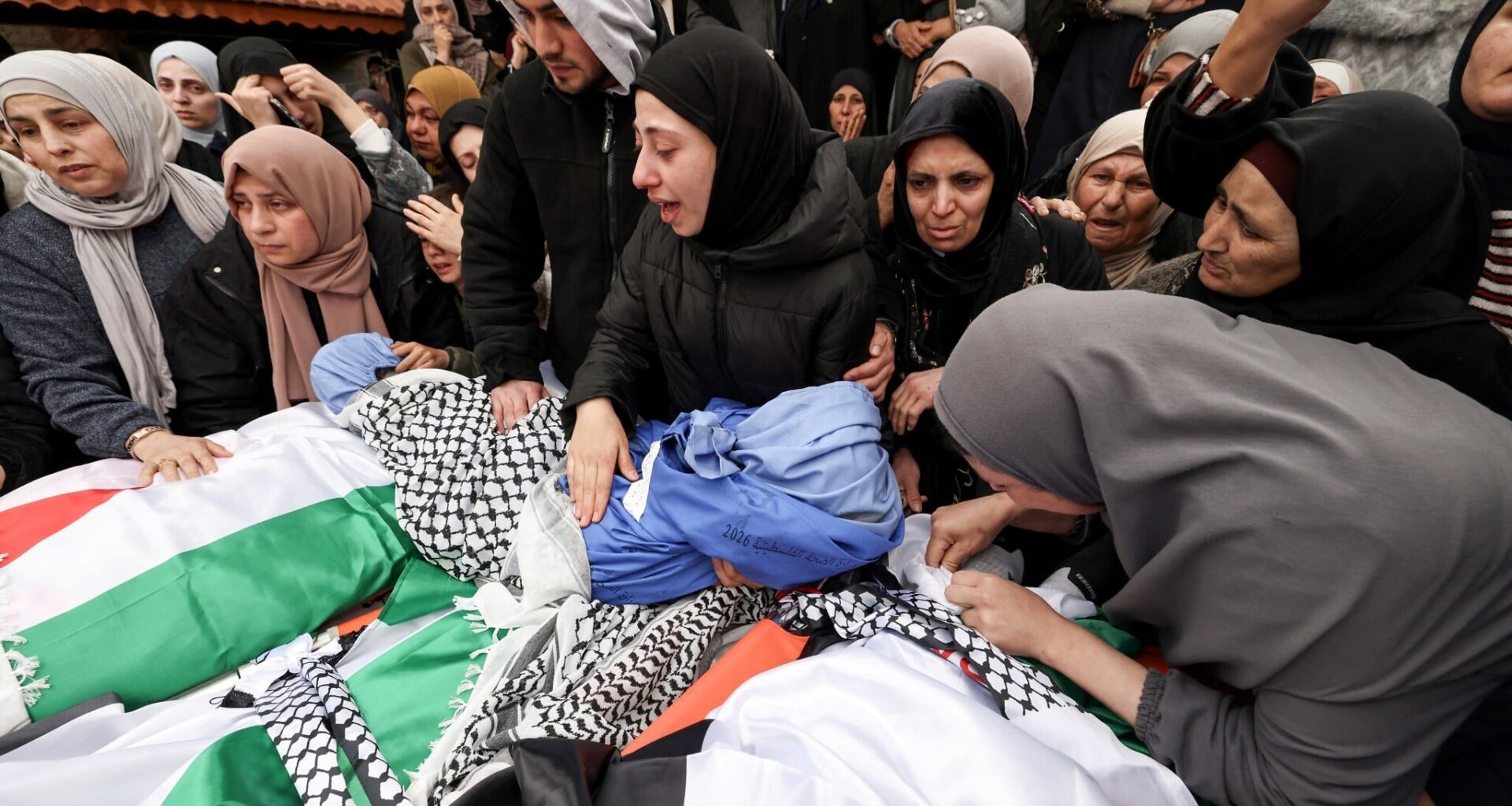
Hours before he was killed alongside his wife and two of his kids, Ali Bani Awda had returned to his West Bank home following an extended period in Israel, where he worked to support his family.
After arriving home on Saturday, Bani Awda’s four children asked him to take them shopping for the upcoming Eid al-Fitr, marking the end of the holy month of Ramadan. The family of six piled into their grey sedan and made for Nablus, about a 40-minute drive south from their home in Tammun.
Returning after midnight, the Bani Awdas were approaching Tammun just as an undercover Border Police force from a special patrol unit was entering the town to carry out an arrest raid.
According to Israeli authorities, soldiers believed the car to be speeding toward them and opened fire. Within moments, Bani Awda, 37, his wife, Wa’ad, 35, and two children Mohammed, 5, and Othman, 7, were dead from gunshots to the head.
The two other children in the car, Mustafa, 8, and Khaled, 11, were left with light wounds and lifelong scars.
Get The Times of Israel’s Daily Edition
by email and never miss our top stories
By signing up, you agree to the terms
“These children who remained alive — what will they become,” asked Diab Mahamid, Ali Bani Awda’s uncle, speaking by phone to The Times of Israel from the mourning tent in Tammun. “When you kill their father and mother in front of their eyes and beat them?”
. استشهاد 4 أفراد من عائلة واحدة برصاص قوات الاحتلال بعد إصابتهم بالرأس في بلدة طمون جنوب طوباس
– علي خالد صايل بني عودة ٣٧ سنة
– وعد عثمان عقل بني عودة ٣٥ سنة
– محمد علي خالد بني عودة ٥ سنوات
– عثمان علي خالد بني عودة ٦ سنوات
كانو رايحين يشترو اواعي العيد رجعو بالكفن???????? pic.twitter.com/f8swNsNHDM
— فلسطينية والروح سورية (@am_rfyf34923) March 15, 2026
The deaths raised the number of Palestinians killed by Israeli forces just this year to 24, including at least five killed in alleged settler attacks, according to data from B’Tselem and official Palestinian Authority news site WAFA.
While Israel says most of the over 1,000 Palestinians slain by Israeli forces in the West Bank since 2023 have been killed while carrying out attacks, shootings of innocent Palestinians remain tragically common, with the Bani Awdas’ deaths underscoring the dangers faced by those in the West Bank in even seemingly mundane encounters with Israelis.
Family and neighbors say they are struggling to comprehend the tragedy, and Israeli authorities vowed to investigate the deadly shooting. But experts say past experiences with other cases of Palestinians being wrongfully shot and killed by Israeli forces leave little hope for any serious accountability.
“They killed children,” Mahamid said. “Israeli media initially reported that four terrorists were killed — they are children.”
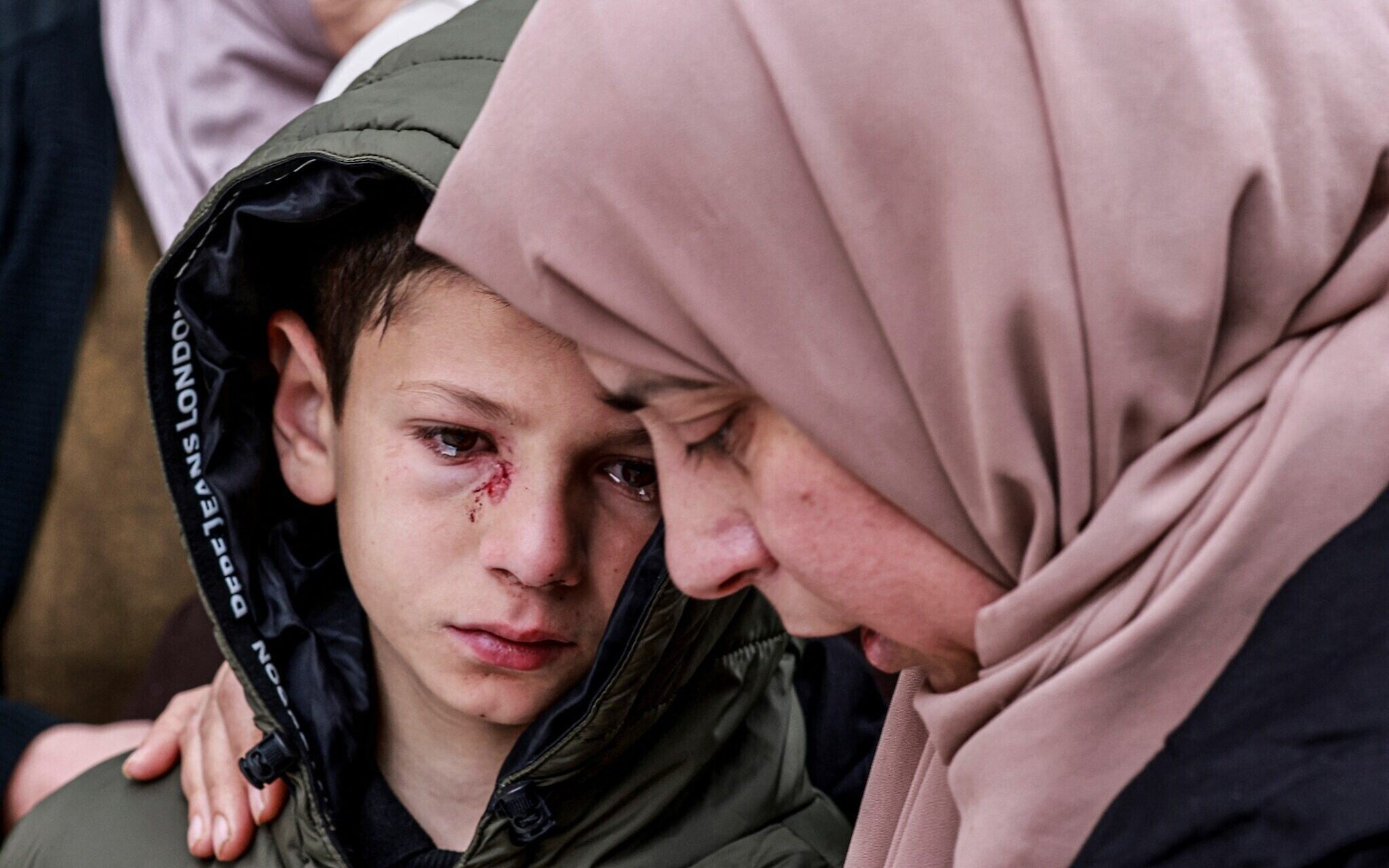
Mustafa, who was injured but survived after Israeli soldiers fired on the vehicle carrying his parents and two siblings, is comforted during their funeral in the West Bank’s northern town of Tammun on March 15, 2026. (Jaafar ASHTIYEH / AFP)
The slayings not only ripped apart the family, but tore a hole through Palestinian society in the area.
A day of mourning was declared across the Tubas district in the northern West Bank on Sunday following the shooting.
Mahamid, who also lives in Tammun, described the funeral as devastating.
Hundreds of people attended, as did the surviving children, who bore visible signs of violence on their faces — apparently from shrapnel wounds sustained during the shooting and from what the family says police officers did to them.
Tammun mayor Samir Basharat told The Times of Israel that people came from across the district to the funeral.
“People gathered around the family. What happened to them makes no sense,” he said in a phone interview, adding that he still does not understand what exactly occurred.
Khaled told Palestinian media shortly after arriving at the hospital that the gunfire had been directed straight at the car.
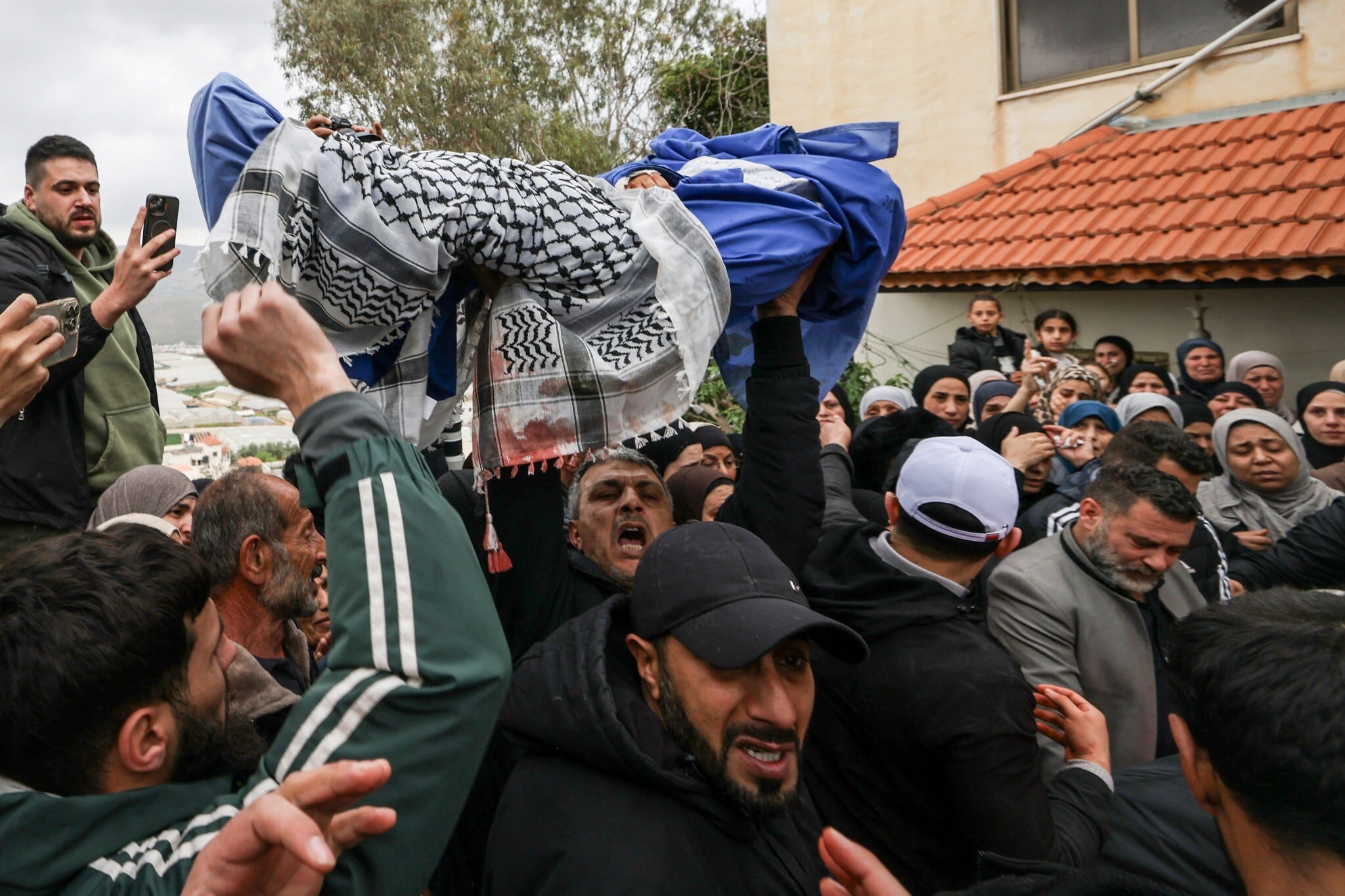
A family member lifts the body of 5-year-old Mohammed Bani Odeh during the funeral of a Palestinian family killed by Israeli troops while in their vehicle, in the West Bank town of Tammun on March 15, 2026. (JAAFAR ASHTIYEH / AFP)
“The army arrived,” he said, apparently referring to the police officers. “They pulled me out of the car. There were people sitting on my chest. They told me: ‘Tell us everything that happened to you or we will kill you.’ I told them we had been shopping in Nablus and then returned home, and that in the car were my father, my mother, and my three brothers. [The officer] called me a liar and then hit me in the face.”
Footage from the scene after the shooting showed a military jeep towing away a vehicle riddled with dozens of bullet holes.
Khaled said the officers told him that “we killed dogs,” and that afterward they took him and his surviving brother to a jeep and searched them.
Police did not respond to a request for comment from The Times of Israel regarding the allegations.
Khaled added that he asked one of the soldiers: “Do you love your father and mother? Then why did you kill my father and mother?”
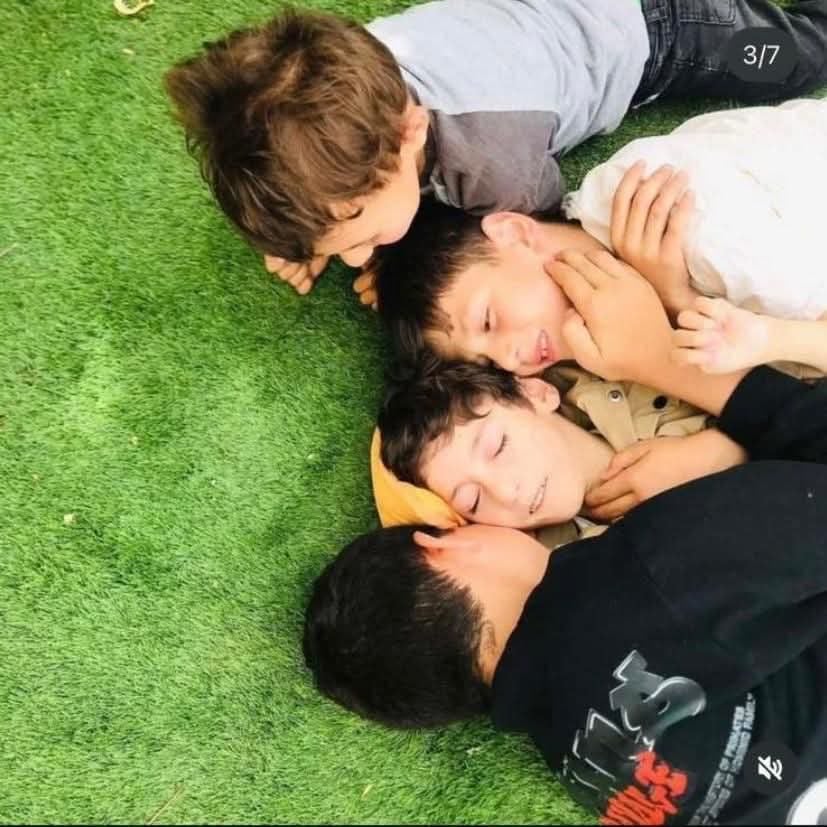
The four children of the Bani Awda family in an undated picture. (Used in accordance with Clause 27a of the Copyright Law)
Mahamid told The Times of Israel that he had not seen Ali in months due to his work in Israel and described his nephew as well-liked both in Tammun and by his Israeli employers. He said he still cannot comprehend how the incident unfolded.
At the funeral, calls for revenge were heard from parts of the crowd, with some urging the military wings of Hamas and Palestinian Islamic Jihad to avenge their deaths.
Mahamid rejected the notion. “What are we supposed to do as a family — go and kill Israel?” he asked sarcastically.
Instead, he vowed that the family would make every effort to bring the Border Police officers involved to justice, including gathering evidence, hiring a lawyer, and contacting human rights organizations.
Swept under the rug
Responding to a question about the shooting on Monday, IDF Spokesman Brig. Gen. Effie Defrin promised the incident was being investigated by both the police and the military, saying the army operated according to a code of values.
“Any harm to innocent people, certainly children and women, is stomach-turning,” he said. “The IDF does not act with the intention of harming innocent civilians.”
However, history shows that there is a low likelihood of a shooting incident that occurs during operations in the West Bank leading to an indictment and criminal punishment.
In a report published in December examining complaints submitted to the military over harm to Palestinians, the dovish Yesh Din organization found that only a very small proportion resulted in an investigation, and even fewer led to indictments.
According to military data cited in the report, between 2016 and 2024, the army received 2,427 complaints alleging harm to Palestinians. Of those, an investigation was opened 22.7 percent of the time, resulting in only 23 indictments, or less than 1% of the complaints.
Attorney Roni Peli of Yesh Din told The Times of Israel that Israeli military law includes mechanisms intended to address cases such as these that involve suspected war crimes.
In practice, however, she says the process faces significant obstacles.
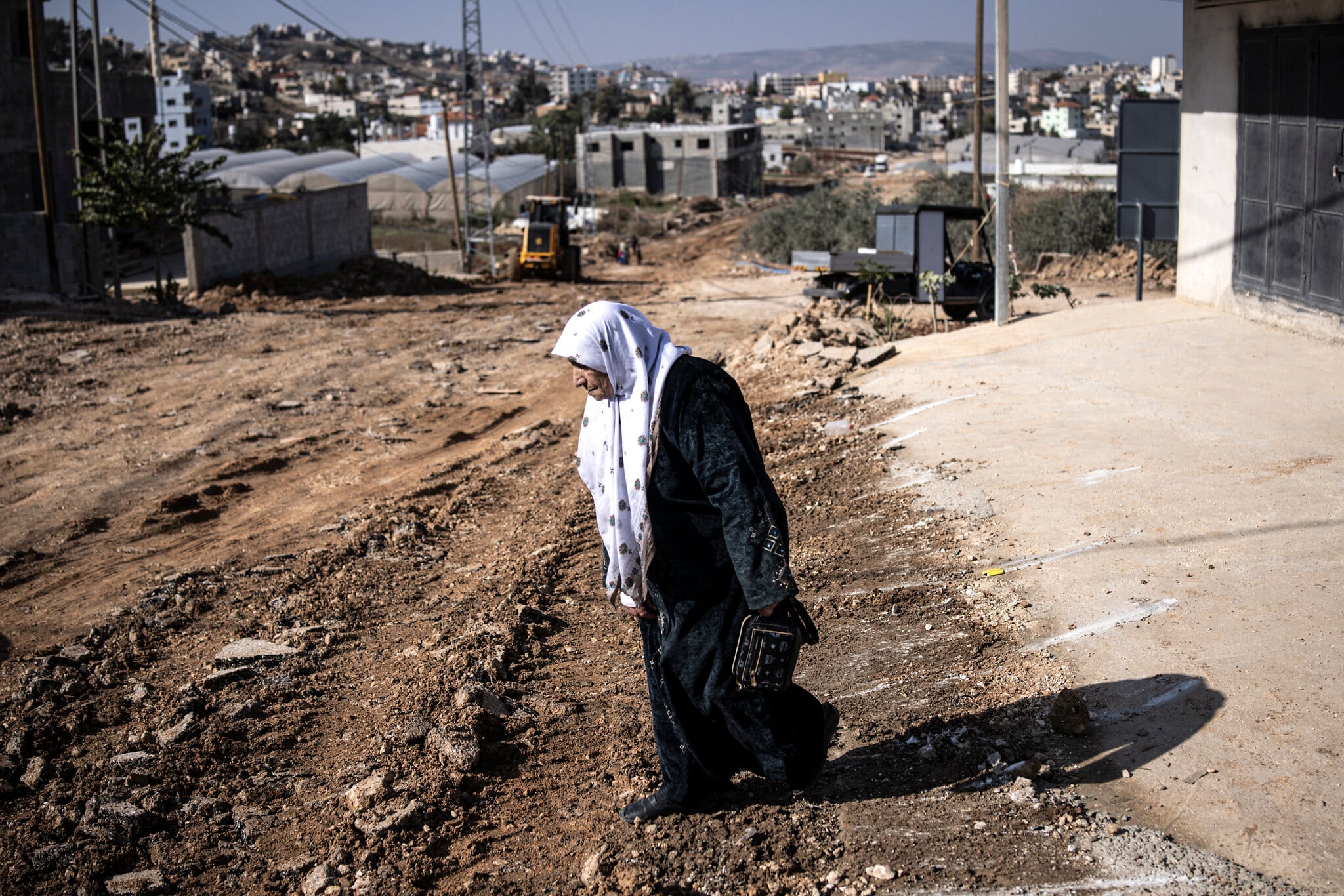
A Palestinian woman walks up a destroyed road in Tammun on November 28, 2025, during a large-scale Israeli military operation in the occupied West Bank. (JOHN WESSELS / AFP)
In most instances, which typically involve soldiers, a decision must first be made on whether to open an investigation, after which the Military Police Investigation Division handles the case.
According to Peli, the investigations themselves, carried out by the Military Police Criminal Investigation Division, are often thorough and professional.
“They don’t cut corners. They detain suspects, consult experts who examine shooting angles, question Palestinians — everything,” she said. “The investigations themselves, at least in the cases I have seen, are fairly professional.”
Once the investigation is completed, the case is transferred to the Military Advocate General’s Corps’ operational affairs branch. According to Peli, that is where the case often falls apart, with few indictments based on operational conduct ever pursued.
“I call them the ones who sweep things under the rug,” she said.
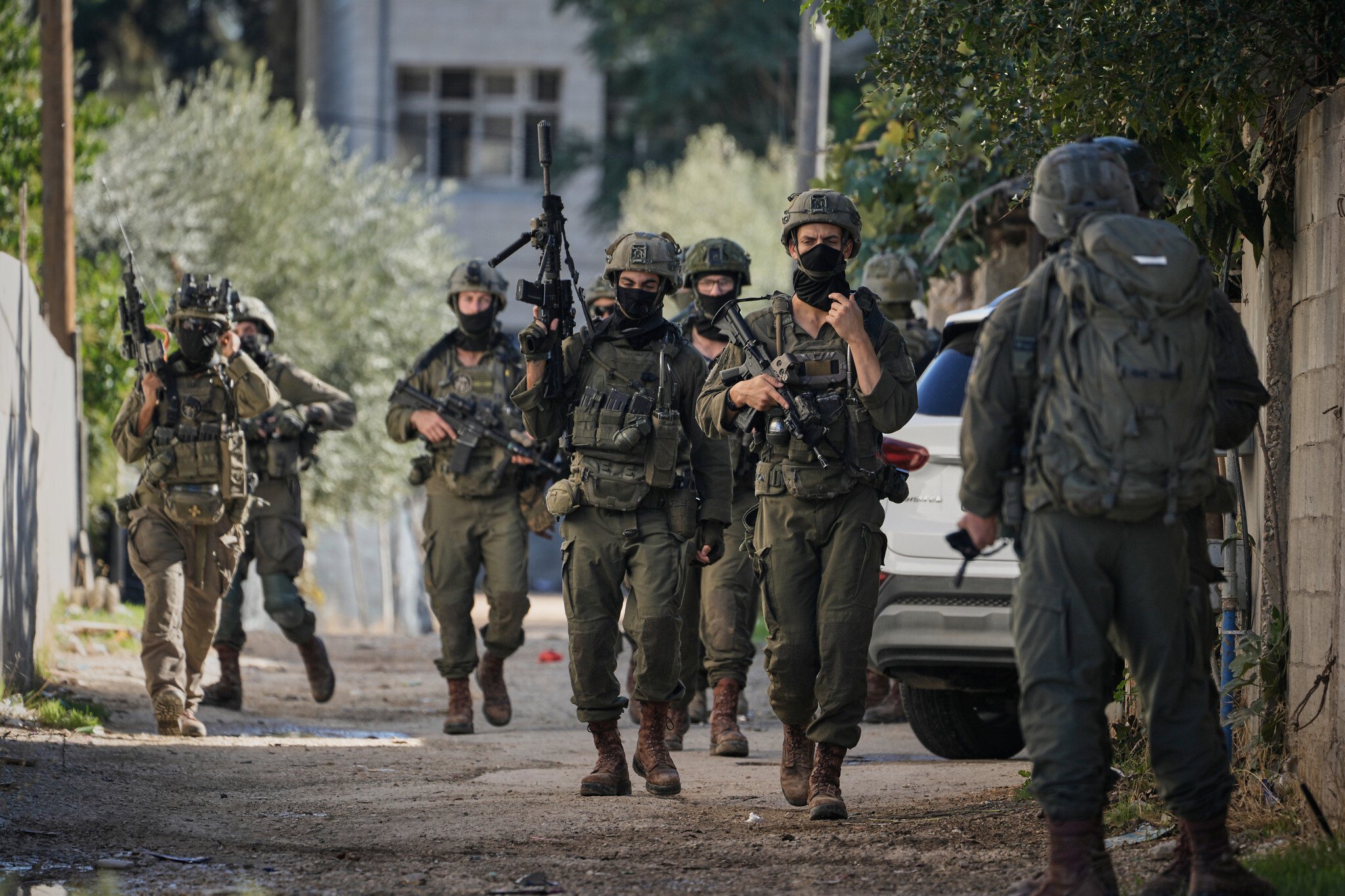
Israeli soldiers are seen during an army raid in the West Bank town of Tubas, November 26, 2025. (AP Photo/ Majdi Mohammed)
She argued that prosecutors are reluctant to pursue criminal charges out of concern that soldiers might hesitate to act in future incidents if they fear they could be subject to similar punishments.
There is also, Peli said, a prevailing narrative that such cases cannot be fairly judged after the fact.
“They say: We are here, in a well-lit room, and we cannot judge those who were on the ground. This has been stated in court rulings and in responses by the prosecution and the attorney general to appeals over decisions not to prosecute,” she said.
As a result, in most cases the prosecution concludes that there was an operational failure and, instead of filing indictments, refers the matter to a disciplinary track — such as delaying promotions or, in more severe cases, dismissing soldiers from military service.
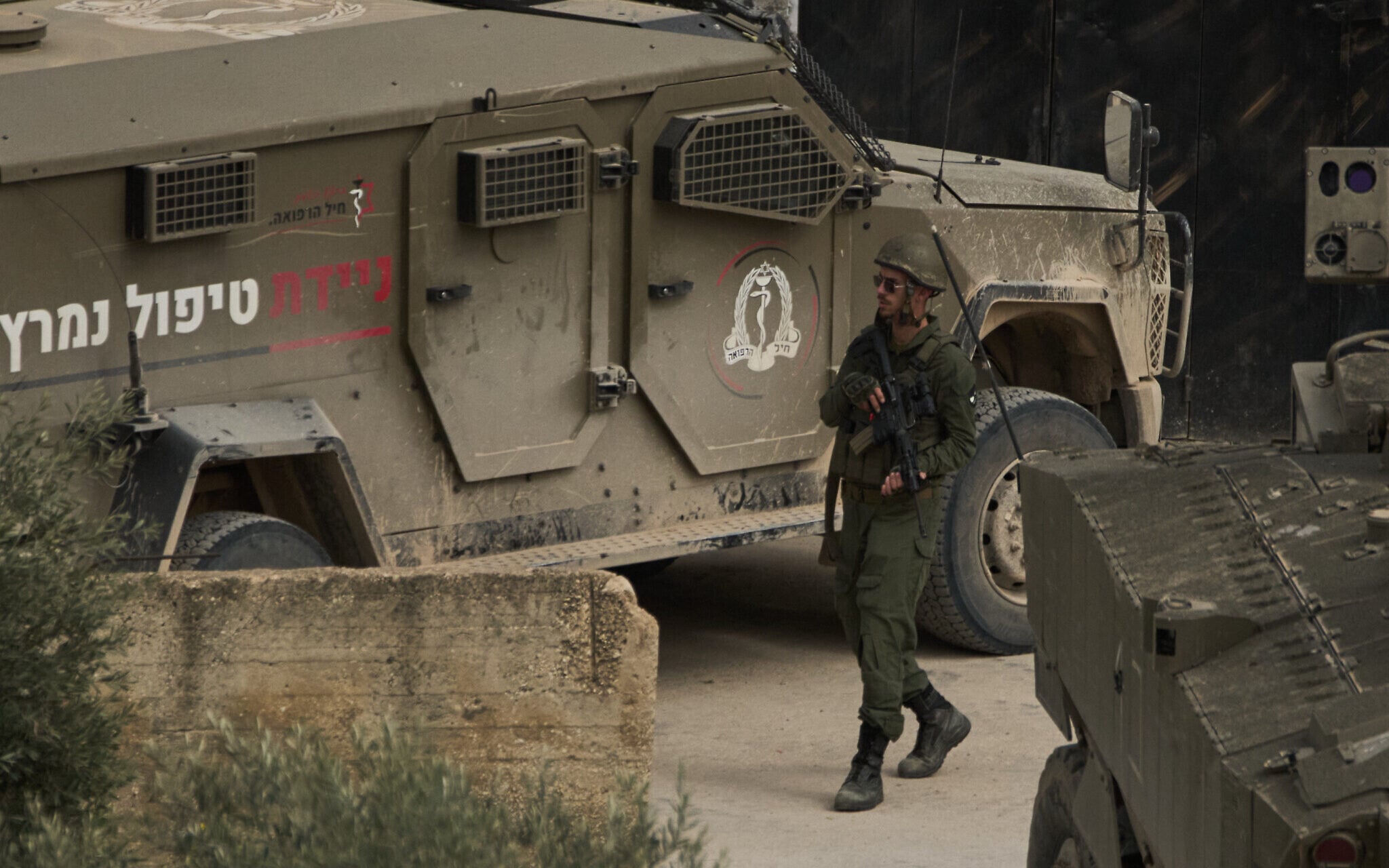
An IDF soldier walks with his weapon on a street during a military raid in the West Bank village of al-Yamun, near Jenin, February 17, 2026. (AP Photo/Leo Correa)
Peli stressed that this pattern is not limited to cases in which Palestinians are killed. Even in incidents where Israeli soldiers themselves have died due to negligence during operational activity, criminal charges are rarely pursued.
She cited the 2019 death of Cpl. Evyatar Yosefi, who drowned in the Hilazon Stream during a military navigation exercise. Despite findings that commanders failed to halt the exercise despite severe weather, the penalties imposed were disciplinary in nature only, including dismissal from service and formal reprimands.
The identity of the shooters adds a layer of complexity to the Tammun killings, but one that may offer a measure of hope. Rather than soldiers, the forces on the ground early Sunday morning were police, meaning the investigating body is the Police Internal Investigations Department, or PIID.
The unit, which operates as part of the Justice Ministry, has argued in the past that it lacks sufficient expertise to investigate incidents that occur in the West Bank. However, in the last two years, it began probing alleged misconduct by Border Police officers operating in the territory.
Several cases have already resulted in indictments, Peli said.
In one investigation she reviewed, “the probe was overall reasonable,” she said. But it was too soon to draw broader conclusions about PIID in the West Bank given the small number of cases so far, she cautioned.
According to the Kan public broadcaster, officers who were involved in the Tammun shooting came from a unit that was implicated in a separate shooting incident about four months ago.
In that case, officers were filmed fatally shooting two suspects at close range in Jenin as they exited a building with their hands raised. According to the report, the unit was subsequently suspended from operations in the West Bank but has since returned to activity.
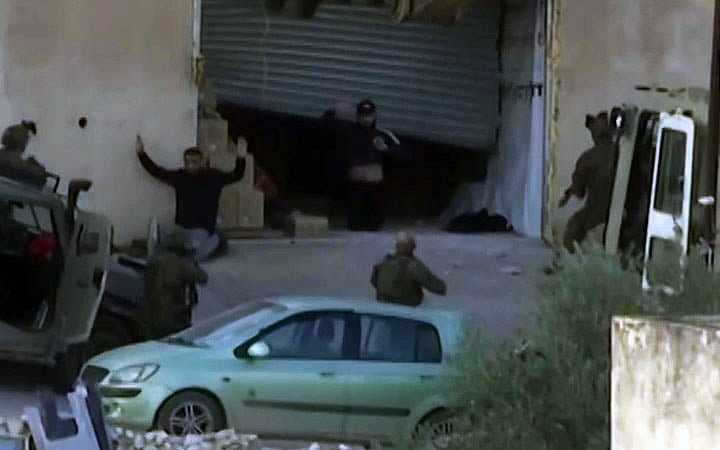
Two Palestinian terror suspects are seen apparently surrendering to Israeli forces in the West Bank city of Jenin, before they were shot dead, November 27, 2025. (Screenshot: X; used in accordance with Clause 27a of the Copyright Law)
The report also said that the Central Command had considered suspending the unit again following the Tammun incident, but ultimately decided to await the outcome of the PIID investigation.
Speaking to The Times of Israel, Mahamid said he believes justice will ultimately prevail, placing the onus on Israel to make good on its claim of accountability.
“You say this is the most moral army in the world — then live up to that,” he said. “Investigate. An entire family was killed in cold blood.”