
In a previous article, I highlighted the moral imperative for the United States to back Iranian protesters by bombing Iran. As the leader of the Western world, the U.S. had a responsibility to topple a despotic regime that took advantage of its citizens. While I stand by that opinion, I want to highlight some of the ramifications of the U.S.’s ultimate decision to intervene and delineate the best course of action for the U.S. to take now.
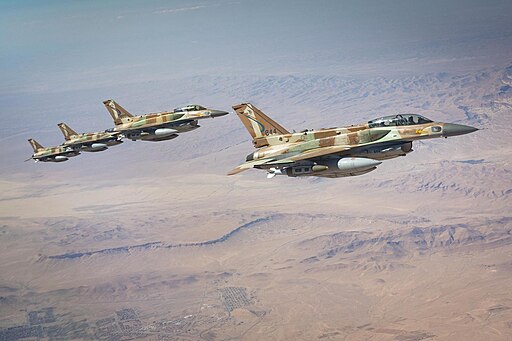
On Feb. 28, 2026, the United States, together with Israel, finally launched an impressive military operation against the tyrannical Iranian regime. Israel initiated the attack by liquidating Iran’s supreme leader, Ayatollah Ali Khamenei, dropping approximately 30 bombs and leaving Khamenei’s residence compound “destroyed and burned,” as reported this Sunday by Walla. Then, Israel and the U.S. both bombed Iran’s nuclear facilities and their underground storage facilities containing most of Iran’s ballistic missiles and suicide drones. In retaliation, Iran fired hundreds of missiles and suicide drones toward at least seven countries, including six Arab Gulf states and Israel. Iran’s strike was mainly aimed at civilians, embassies and oil refineries, as they intended to breed chaos and cause the Gulf countries to press Trump to end the war. These attacks will have far-reaching effects. Iran’s attacks on oil refineries in Gulf countries will have a significant effect on oil and gas prices. This is further compounded by the Iranian Army’s closure of the Strait of Hormuz, which will limit trade routes and have a devastating impact on the global economy. Moreover, increasing oil and gas prices will be politically harmful for Trump, as U.S. citizens will suffer financially immediately. As an aside, the IRGC’s indiscriminate retaliatory strikes show how unhinged the regime is, strengthening Israel’s claim that the IRGC should not be allowed to complete its nuclear program.
Bombing Iran’s strategic locations will reduce Iran’s future firing of more missiles and drones. Yet will these attacks help topple this regime?
I am afraid it will not. Right now, the only correct strategic decision to reach the possibility of regime change is boots on the ground and forces actively fighting the regime’s forces. As of March 4, CNN reported that the CIA is “working to arm Kurdish forces in Iran” to assist the popular uprising in toppling the regime. It also reported that the Trump administration is in active discussions with Iranian opposition and Iraqi Kurdish leaders about providing military support, with Kurdish groups “expected to participate in a ground operation in western Iran in the coming days.” Arming Kurdish rebels will make it much more likely that the uprising is successful. Yet, past wars have taught us that initiating civil wars and arming groups with extreme ideologies will almost certainly increase instability in the region.
Arming the Kurdish rebels will also strain the U.S.-Turkish relationship and could potentially draw Turkey into the current war. The U.S. has a complicated history with Kurdish rebels, who were previously “backstabbed” by the U.S. when fighting against Al-Jolani in Syria. Arming the Kurdish rebels could severely escalate the current situation. Trump’s decision to strike Iran with the goal of changing its regime, which I support, ultimately ensured that he would need to take risky actions that could potentially worsen this crisis.
Benjamin Netanyahu, on the other hand, has come out as the biggest winner of this war. Not only was Netanyahu able to drag the U.S. into a war with Iran, but he was also able to alter Israel’s perception around the world. Following these attacks, countries may start to respect Israel more, and some may even see it as a mini-superpower. Furthermore, Netanyahu’s decision last year to recognize Somaliland as a country was a phenomenal political stunt. By recognizing Somaliland, Israel was allowed to establish an airbase there, giving Israel the ability to efficiently attack the Houthis in Yemen, thus weakening Iran’s “alliance of resistance.”
Israel and the U.S. are handling this war exceptionally well, even in light of current circumstances. However, I fear that Iran’s regime will be able to survive. I base my assumption on the war in Afghanistan, where the Taliban were able to outlast the U.S. after years of fighting. Local extremist groups, especially if they are religiously motivated, are much more motivated to prevail than an intervening foreign superpower, and they can afford to take much more drastic measures or patiently outwait them. Nonetheless, I am praying every day that the brave American and Israeli pilots bombing the IRGC right now will ultimately succeed in achieving the goal of toppling this despotic regime and bringing freedom to the Iranian people and the Middle East.
Photo Caption: Israeli Air Force F-16I Sufa fighter jets, Operation Roaring Lion 2026
Photo Credit: Wikimedia Commons / IDF Spokesperson’s unit