
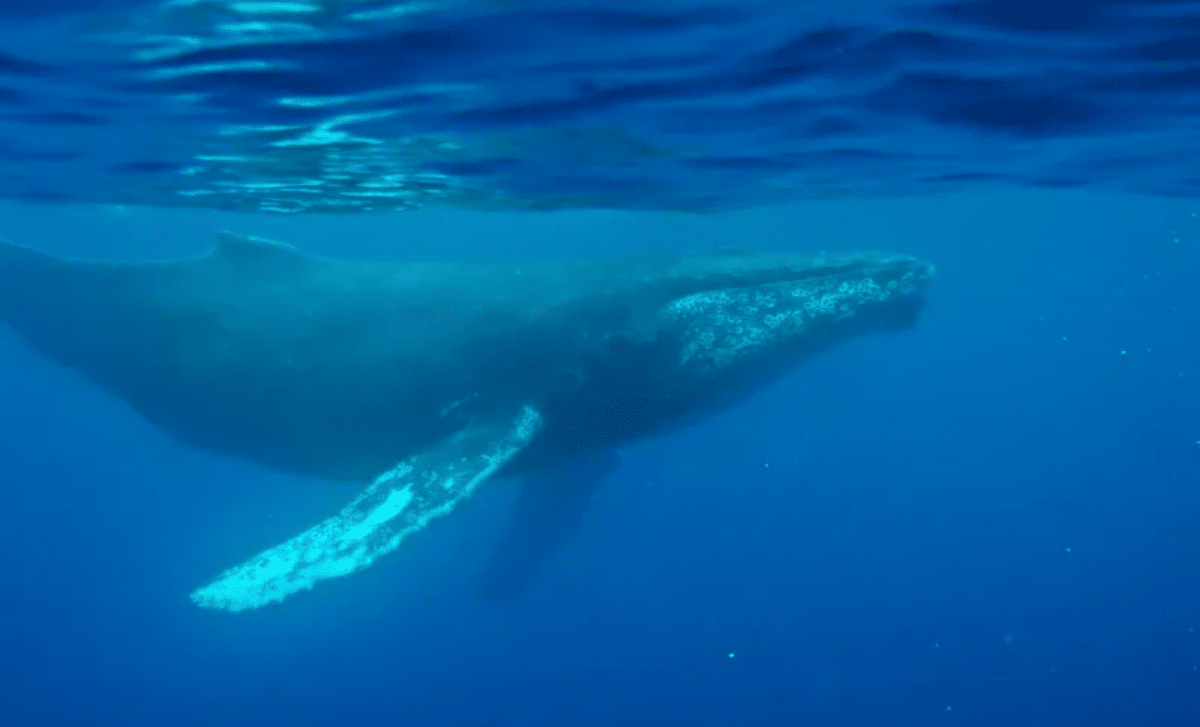
Scientists at Woods Hole Oceanographic Institution (WHOI) have uncovered the oldest known recording of a whale song, a find that could unlock vital new insights into how whales communicate and navigate the ocean. This rare audio of a humpback whale’s song could change the way researchers study marine life, especially in the context of the growing noise pollution in our oceans. The historical significance of this recording, along with its potential to help protect these vulnerable species, is monumental.
The Sound of the Past: A Glimpse into the 1940s Ocean
The recorded whale song, captured off the coast of Bermuda in March 1949, offers an unprecedented look at marine life in a quieter era. In the late 1940s, the ocean was far less polluted by human-made noise than it is today. This difference in soundscapes makes the recording not only a rare auditory gem but also a crucial tool for understanding how the underwater environment has changed over the decades.
“As soon as I heard it, it was immediately obvious,” said Peter Tyack, a marine bioacoustician at WHOI. “There’s no other animal that makes this kind of sequence of sounds.”
The discovery of this recording is part of WHOI’s ongoing efforts to preserve historical underwater recordings, some of which date back to the mid-20th century. These early recordings, which were made using cutting-edge technology for the time, have been preserved largely due to the durability of the medium, audograph discs, which survived thanks to careful storage and preservation.
The Impact of Noise Pollution on Marine Life
The recording has immense significance, especially when viewed in light of the modern issue of ocean noise pollution. As human activity, including shipping, industrial operations, and underwater construction, increases, whales and other marine animals face greater challenges in communication.
“Being able to go back and understand what the underwater soundscape was like [decades] years ago is actually very important to understand the impact of the changes we’re making,” says Tyack.
This historical perspective will allow scientists to compare the sounds of the ocean from nearly 80 years ago to today’s more chaotic underwater environment.
Increased noise levels from human activities have been shown to affect how whales communicate, navigate, and even locate food. The new findings will help researchers better understand how these disruptions might impact the whales’ behaviors and survival.
 A Gray Audograph.
Credit: Woods Hole Oceanographic Institution
Unseen, But Heard: Whale Songs and Marine Life Survival
Whales, like many marine creatures, rely on sound to survive. From locating food to socializing and navigating vast oceanic expanses, these vocalizations are essential to their lives.
“Underwater sound recordings are a powerful tool for understanding and protecting vulnerable whale populations,” Tyack explains. “By listening to the ocean, we can detect whales where they cannot easily be seen.”
The newly discovered whale song offers an incredible opportunity for scientists to deepen their understanding of these vital vocalizations and how they have evolved over time. As climate change and human influence continue to affect the oceans, such discoveries may play a critical role in ensuring the survival of these magnificent creatures.
Preserving the Past: A Vital Step in Conservation Efforts
The preservation of the 1949 whale song is not just an academic achievement; it’s a testament to the importance of long-term commitment to conservation. WHOI’s Ashley Jester, who helped uncover the song, notes, “These audograph discs survived because of their material and careful preservation.” The fact that the recording was kept intact over the decades is a direct result of the dedication of archivists and preservation experts who understood the importance of these early scientific efforts.
Moreover, Jester underscores how the curiosity of scientists in the 1940s, who recorded sounds they couldn’t fully explain, laid the foundation for this extraordinary discovery. “WHOI’s audograph collection reflects a chain of close observation and curiosity,” she adds, highlighting how an act of scientific curiosity can lead to discoveries that shape the future of ocean research.