
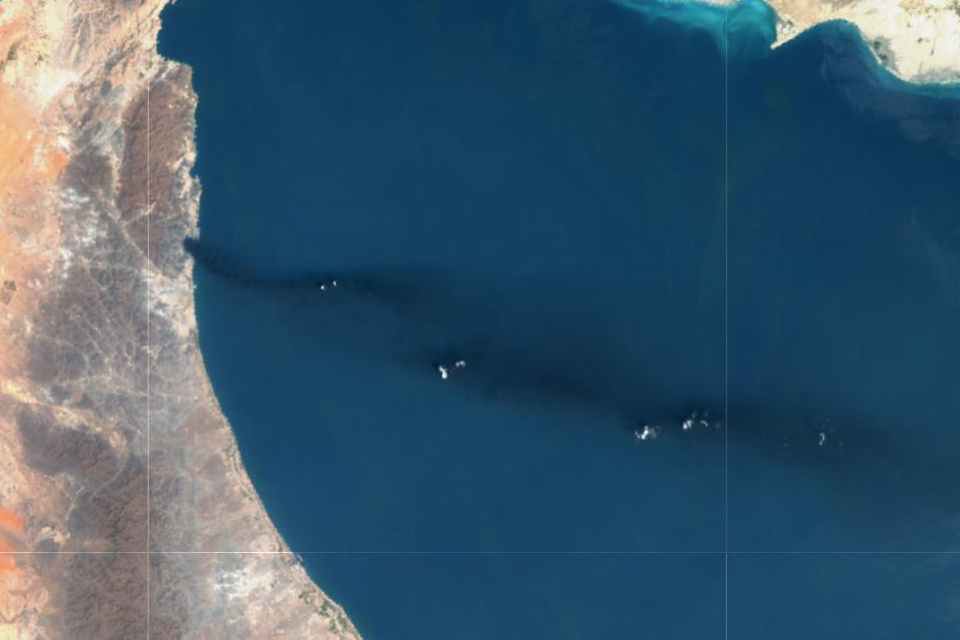
Short-term energy policies risk slowing a transition that will bring genuine energy security.
Vulnerabilities of fossil fuel investment
In the short term, geopolitical conflict and supply disruptions may increase reliance on fossil fuels as governments prioritise energy security and supply stability. Moreover, current price increases in fossil fuels can make commercial extraction more attractive, potentially slowing the energy transition. However, these responses risk reinforcing fossil fuel lock-in if they lead to long-term infrastructure investments that extend the life of carbon-intensive energy systems. At the same time, the crisis also highlights the vulnerabilities inherent in fossil fuel supply chains and the strategic advantages of renewable energy. One potential tool governments could use to transition to renewables, counter consumer price increases and avoid fossil fuel lock-ins is to implement a windfall tax on increased fossil fuel profits.
Overall, the lesson from this latest global price shock is clear: expanding domestic renewable energy production reduces exposure to geopolitical shocks while supporting long-term decarbonisation goals. It’s vital that governments focus on maintaining momentum towards the global energy transition, while avoiding the perils of short-term policies that lock in further fossil fuel insecurity.
Grace Alexander is CEOBS military and conflict emissions researcher. If you find our work useful, please consider a donation so that we can continue it.