
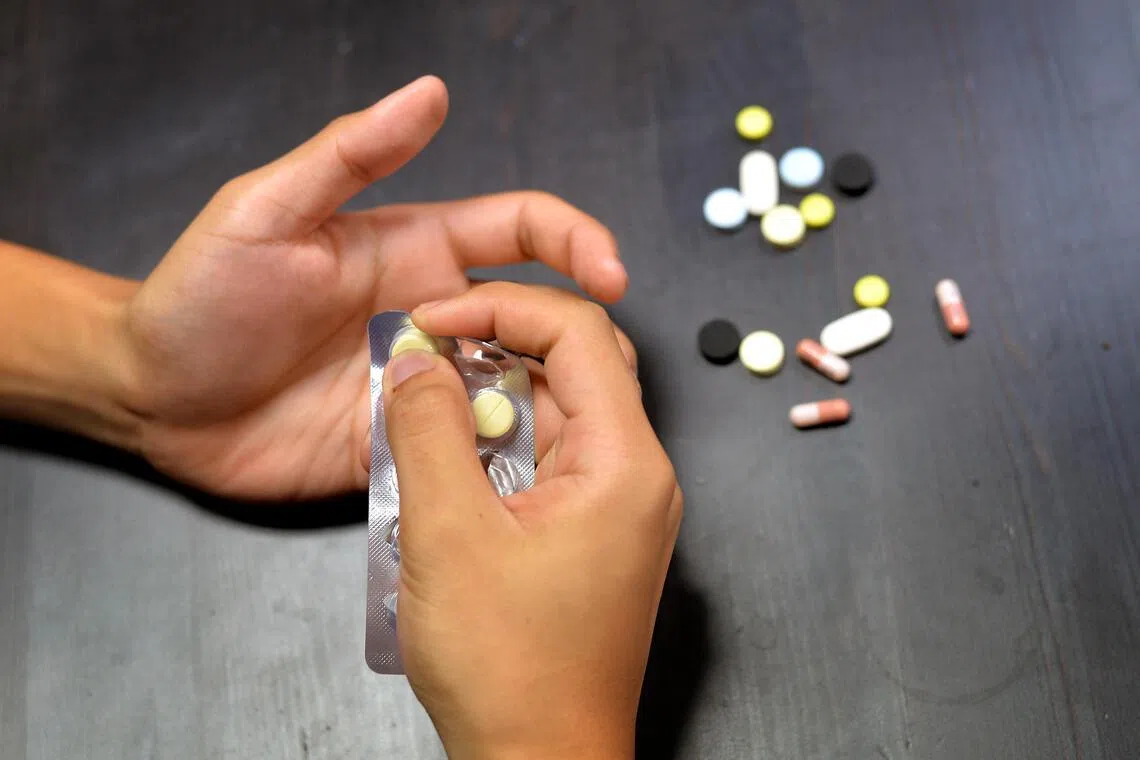
SEOUL – The use of high-risk prescription drugs such as propofol and ADHD medications is climbing rapidly in South Korea, raising concerns over misuse and side effects, government data showed on March 18.
A total of 21.1 million people were prescribed narcotic-class drugs in 2025, rising steadily from 18.84 million in 2021, according to the Ministry of Food and Drug Safety.
The total number of prescriptions reached 1.96 billion in 2025, marking a 7.1 per cent increase over the four-year period.
Under the Narcotics Control Act, narcotic drugs include not only opioids but also other tightly regulated substances that carry criminal penalties if used without a proper prescription.
More than half of those prescribed such drugs received propofol, a fast-acting intravenous sedative used to induce anaesthesia. The number of propofol patients reached 11.75 million in 2025, up 20.2 per cent, or 1.97 million, from 2021.
The pace of increase has also accelerated. Propofol use rose 3.8 per cent from 2024 to 2025, compared with a 2.7 per cent increase from 2023 to 2024.
Propofol is associated with side effects ranging from low blood pressure, slow heart rate and respiratory suppression to more severe risks such as involuntary movements and the potentially fatal propofol infusion syndrome.
Recent incidents have added to concerns over misuse.
On Feb 25, a woman drove her car off a Han River bridge while allegedly under the influence of drugs. Although the case remains under investigation, the police said they found a syringe and bottles believed to have contained propofol in the vehicle.
A former hospital employee confessed on March 2 to administering psychotropic drugs to the suspect and was arrested on March 10.
While propofol is generally safe when properly administered, abuse can trigger severe complications and even death.
These risks gained global attention in 2009, when US pop star Michael Jackson died from acute propofol intoxication combined with other medications. His physician was later convicted of involuntary manslaughter.
The data on March 18 also showed a sharp rise in prescriptions for methylphenidate, a drug used to treat attention deficit hyperactivity disorder (ADHD).
The number of patients prescribed methylphenidate reached 392,000 in 2025, more than doubling from 170,530 in 2021. The figure has increased by at least 50,000 each year over the past four years.
Concerns have emerged over potential misuse as the drug has been promoted in some circles as a “smart drug” for improving concentration. While effective in treating ADHD, it carries side effects including nausea, insomnia and appetite loss as well as increased blood pressure, heart rate and, in rare cases, psychotic symptoms.
Separate ministry data released in October showed that nearly half of methylphenidate prescriptions between 2020 and 2024 were issued to children and teenagers. The number of teenage patients was highest in Gangnam-gu, southern Seoul, a hub for private education, raising questions about whether the surge is linked to academic pressure.
In response, the Ministry of Food and Drug Safety said it is conducting a government-wide crackdown until May 15 on illegal drug use and monitoring medical institutions suspected of abuse. THE KOREA HERALD/ASIA NEWS NETWORK