
Intelbrief / Red Line Crossed: Israel Targets Upstream Energy Assets and Iran Responds
(AP Photos/Maneesh Bakshi, File)
Bottom Line Up Front:
Energy prices spiked as Israel attacked upstream energy assets in Iran, signaling a major escalation in the ongoing war.
The Israeli attack on Iran’s South Pars gas field, a core component of Iran’s domestic energy supply and petrochemical exports, may seek to spark internal unrest and turn public pressure against the regime.
The IRGC has announced retaliatory strikes on Qatari, Saudi, and Emirati energy infrastructure.
Israel appears to be pursuing a path of escalation while simultaneously shaping internal conditions in Iran that could potentially trigger regime change.
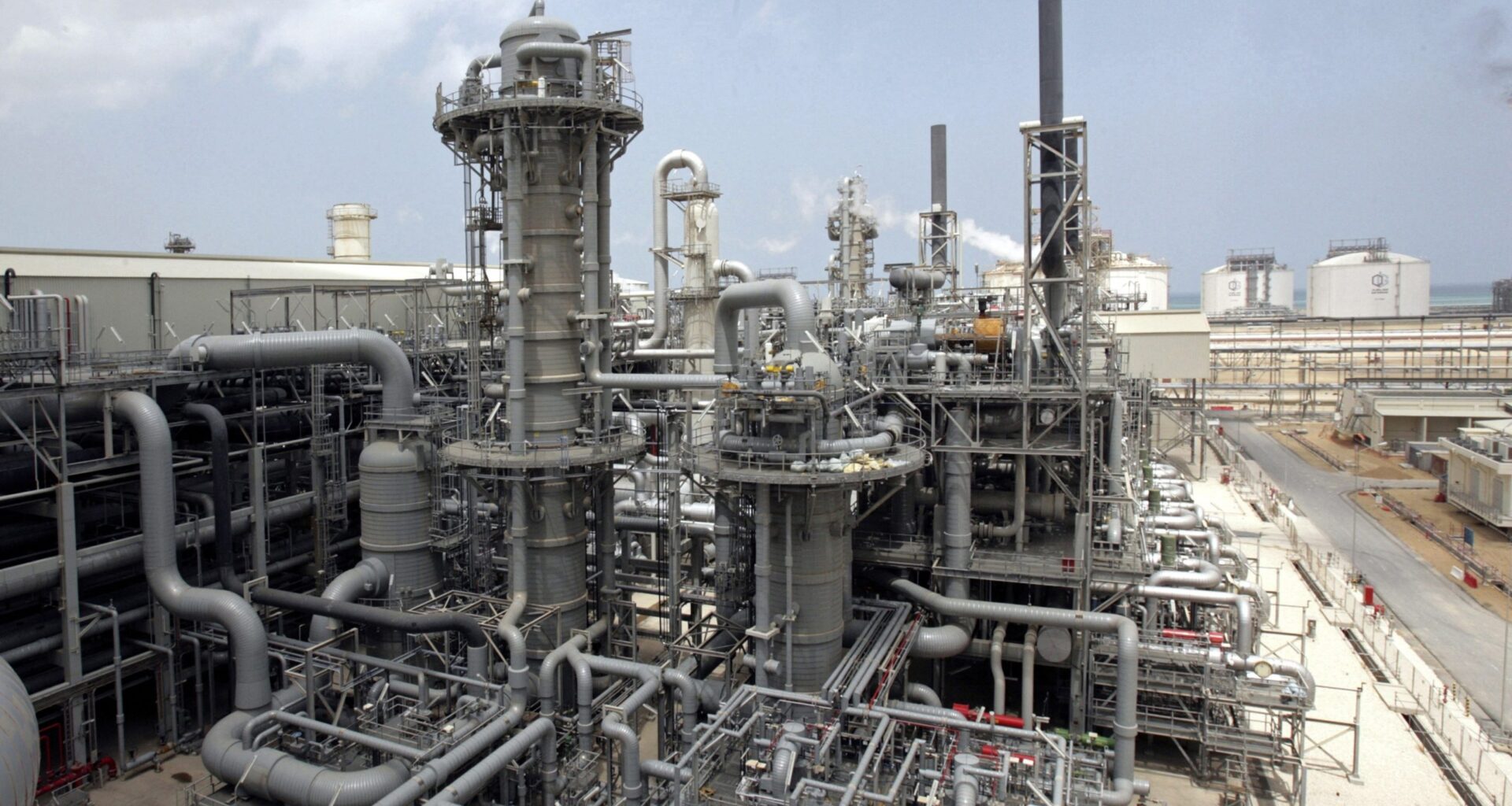
On Wednesday, Israel signaled a clear expansion of the conflict, striking energy production facilities at Iran’s South Pars field. The unprecedented attack sparked retaliation, with Iran striking by drones and missiles at energy facilities across the Gulf region, including Qatar’s North Field, the shared extension of South Pars, and the world’s largest LNG hub.
Earlier in the conflict, Israel had targeted oil depots in Tehran, but its strike on the Pars field signifies it is now targeting upstream energy facilities. According to media reports, the strikes against Iran’s Pars gas field facilities were approved by and coordinated with the Trump Administration. Iran’s South Pars Field and Qatar’s North Field together form the largest natural gas field in the world. Iran’s Ministry of Petroleum has stated that several facilities were damaged, but the extent of the destruction remains unclear.
The Israeli strike on upstream production facilities crosses of a line that Tehran has long made clear. Unlike oil storage depots that can be replenished and rebuilt on a shorter timeline, liquified natural gas (LNG) production facilities cannot be as easily (or as inexpensively) repaired, especially against a backdrop of war. Extended timelines for repairs are a major blow to Iran’s economy, but above all else, they will be felt by Iranian civilians. The gas field provides roughly 75 percent of Iran’s total natural gas production and is destined almost entirely for domestic energy supply. The most immediate impact of the Israeli strike within Iran will thus be felt by civilians. So far, Israeli attempts at eliciting mass anti-regime mobilization within Iran have not worked. Israel’s target selection in this war has heavily focused on the institutions, leaders, and infrastructure within Iran that have been used for domestic repression, aiming to shape the conditions ripe for successful anti-regime mobilization by Iranians. It now seeks to inflict additional pressure on the regime by making the living conditions for civilians intolerable.
Oil prices spiked sharply following the Israeli airstrikes and the ensuing Iranian retaliation. Short-term disruptions to LNG supply and pricing pale in comparison to the longer-term economic implications, particularly if today’s strikes set off a sustained cycle of attacks on the world’s most vital energy infrastructure. The Iranian semi-official news agency, Tasnim, has relayed a statement by the IRGC that Gulf energy facilities will now be targeted in response. The IRGC has issued evacuation orders around five complexes, including major refineries and petrochemical plants in Saudi Arabia, Qatar, and the UAE. These locations have been labelled as “legitimate targets” for Iranian retaliation. This aligns with earlier Iranian signaling that Gulf energy assets would be targeted to impose global economic costs if attacks on Iran continued, raising the stakes of any sustained retaliatory cycle.
So far, Ras Laffan Industrial City, Qatar’s main site for the production of LNG, has been targeted by Iranian missiles, leading to a major fire, while Saudi Arabia has intercepted a drone that was approaching its gas facilities.
The reported damage at Ras Laffan Industrial City, the heart of Qatar’s LNG infrastructure, threatens to reverberate across global energy markets, given that roughly 20 percent of the world’s LNG supply originates from Qatar.
Frustration among Gulf leaders is mounting as Israel’s escalation and the subsequent Iranian barrage of retaliatory strikes deepen the risk of a wider regional conflict. In Qatar, Dr. Majed Al-Ansari, an advisor to the Prime Minister and the official spokesperson for the Ministry of Foreign Affairs, posted on X that the attacks on the Iranian energy infrastructure are “dangerous & irresponsible.” The Ministry itself stated that “Iran’s brutal aggression against the countries of the region has crossed all red lines.”
Ahmed Aboul Gheit, Secretary-General of the Arab League, and the Secretary-General of the Gulf Cooperation Council (GCC), Jasem Mohamed Albudaiwi, both also condemned the attack. In a statement, Albudaiwi said that the targeting of Ras Laffan “constitutes an unacceptable escalation” that threatens regional stability. The UAE, Oman, and Egypt similarly condemned the Iranian strikes — with the latter calling the strikes “sinful.” Saudi Foreign Minister, Prince Faisal bin Farhan Al Saud, told reporters that “the little trust that remained in Iran has been completely shattered,” reflecting the broader regional unease with the accelerating cycle of escalation.
Following Iran’s retaliatory attacks, Doha took action. Qatar’s Ministry of Foreign Affairs declared the military attaché and the security attaché at the Iranian embassy ?persona non grata, ordering their departure — an indication of the seriousness with which it viewed the fallout from Tehran’s response. The reported widespread damage as Ras Laffan Industrial City is set to further upend the global energy market. Earlier in the war, Iran had signaled that energy assets in the Gulf would be targeted in an effort to impose global economic costs if it continued to be attacked, placing Iran’s relationship with the rest of the region in peril — something it will have to reckon with whenever the larger conflict with the U.S. and Israel winds down.
This marked escalation, a day after the assassination of Ali Larijani — the head of Iran’s Supreme National Security Council — appears to indicate that Israel is closing avenues for a U.S.-preferred outcome that includes a temporary offramp or diplomatic settlement of the war. As The Soufan Center has earlier assessed, Larijani was widely regarded as a pragmatist within the Iranian system, with his rise after the 12 Day War signaling a slightly more conciliatory posture. Just as Larijani’s assassination weakens the camp within Iran most capable of de-escalation, the targeting of upstream energy facilities puts the U.S. camp before a fait accompli: the war will continue.
Whether Iranian civilians will respond to disruptions in their energy supply with anti-regime mobilization is unclear. Some of the most brazen Israeli and U.S. attacks have not been able to generate a mass uprising and have instead appeared to bolster pro-regime factions and created a rally ‘round the flag effect.