

Despite another year of war on several fronts, prolonged uncertainty and national trauma, Israel once again ranked eighth in the World Happiness Report published on Thursday, for the second year in a row.
According to the annual survey, Finland came in first for the ninth year in a row, while the United States was at 23rd. The United Kingdom is in 29th place and France, 35th.
“Israel’s ranking has consistently gone up since 2021,” Anat Fanti, a happiness policy researcher at the Program in Science, Technology and Society at Bar-Ilan University, told The Times of Israel. “It doesn’t surprise me because Israelis have a sense of meaning and purpose, which contributes to their overall satisfaction with life.”
The results were released as many Israelis were hunkering down in bomb shelters, with schools closed, limited flights in and out of the country and other daily restrictions amid Iranian and Hezbollah missile and rocket attacks that have repeatedly been aimed at Israel since war broke out on February 28.
Fanti said that the ranking represents the overall evaluation people have about their life, which paints a larger picture, rather than their emotions — whether negative or positive — which “come and go each day.”
Get The Times of Israel’s Daily Edition
by email and never miss our top stories
By signing up, you agree to the terms
Perhaps the most remarkable finding in this year’s report concerns the younger generation.
Israelis under the age of 25 were found to be the happiest demographic within Israeli society, ranking third globally. This stands in sharp contrast to other Western nations, she said.
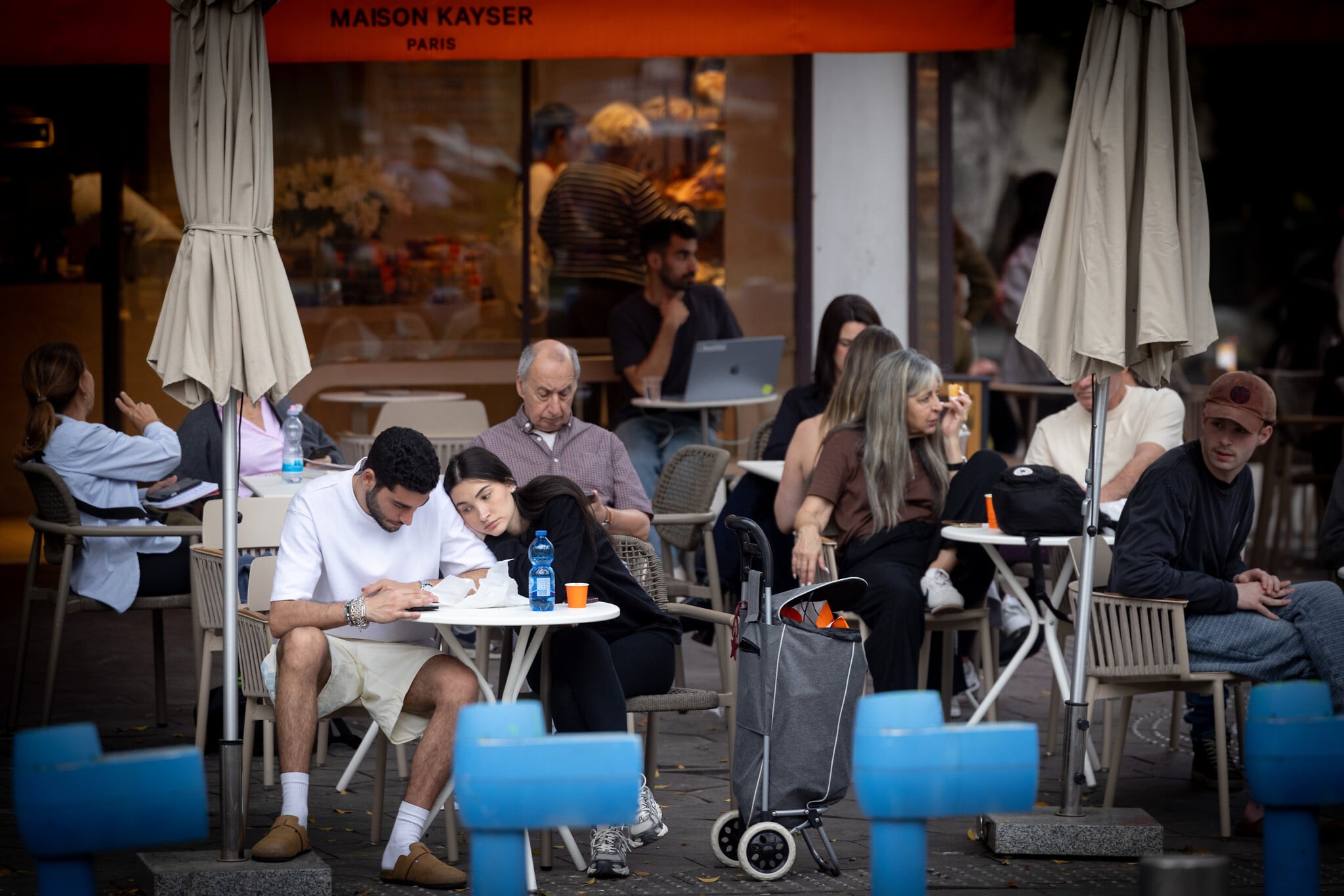
Daily life in Tel Aviv during the Israel-US war with Iran. March 18, 2026. (Miriam Alster/FLASH90)
In the US, for instance, the happiness of young people has plummeted to 60th place. Other Israeli age groups also performed strongly, ranking approximately 11th overall.
“Young Israeli people are much more grounded compared to their age group in other countries,” Fanti said. “They go to the military service while their peer group goes to college, thinking about where they will get booze under 21. They make decisions between 18 and 21 that are far beyond their years. Also, the level of social support and genuine friendships in Israel are part of the social texture of Israeli society.”
Israel was ranked 12th in 2021 and rose to the top 10 the following year. In 2023, it was ranked fourth, and fell one place in 2024, although that survey was based on data collected soon after the unprecedented Hamas invasion and slaughter of October 7, 2023, which triggered the ongoing wars. Each ranking also reflects the ranking of the previous two years, when Israel was ranked highly.
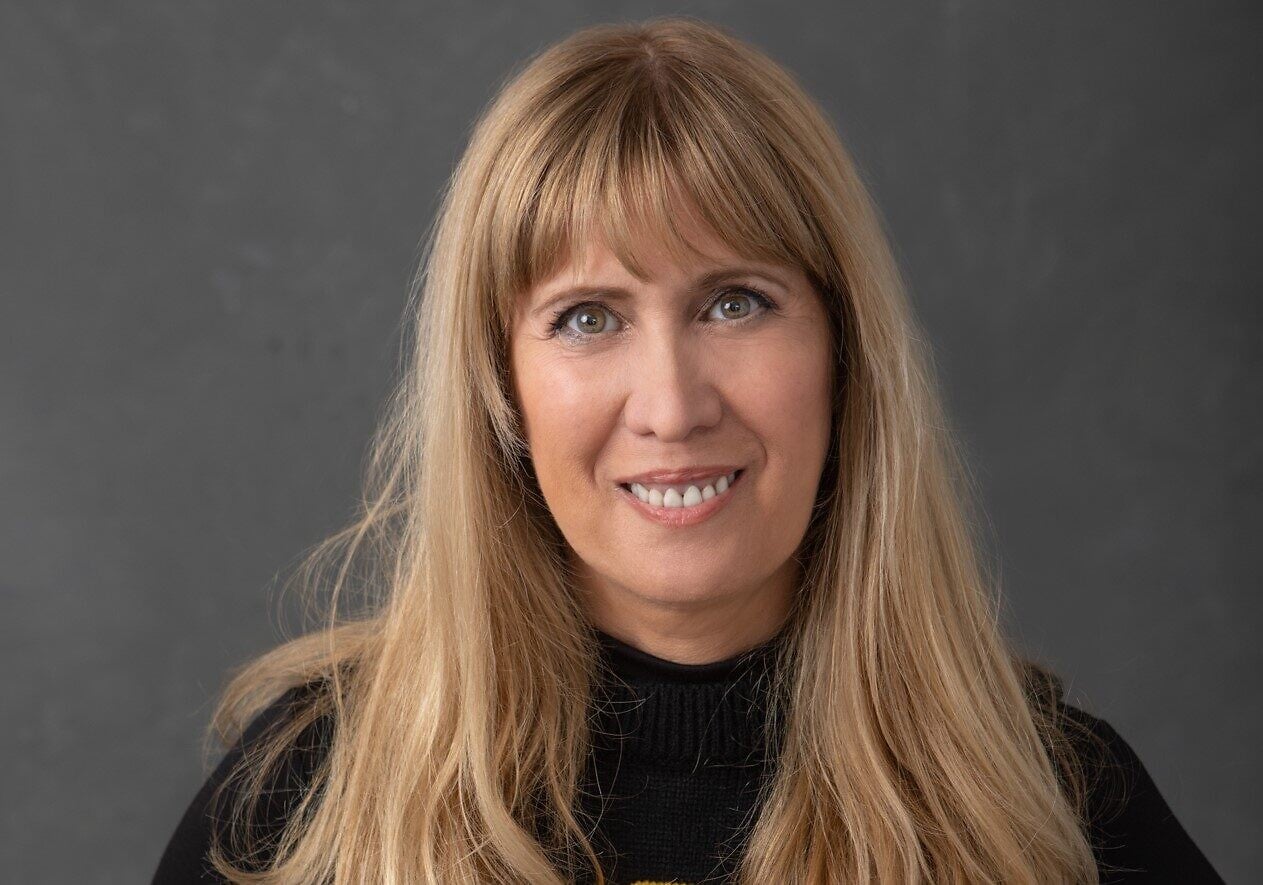
Anat Fanti, a happiness policy researcher at the Program in Science, Technology, and Society at Bar-Ilan University (Courtesy)
Fanti said the World Happiness Report’s explanatory model is based on six parameters, which experts use to explain the ranking. These include economic stability, healthy life expectancy (reflecting healthcare quality), social support (having someone to count on), charitable giving, a sense of freedom to make personal decisions, generosity and perceptions of corruption.
For Fanti, the parameters within Israel that are not measured in the report directly encompass “family ties, community, faith, a sense of belonging and strong social bonds.”
“In their latest book, ‘The Genius of Israel: The Surprising Resilience of a Divided Nation in a Turbulent World,’ Saul Singer and Dan Senor said Israelis have a Thanksgiving dinner every Friday night and show their gratitude,” Fanti explained. “It is one aspect of Israeli culture that helps Israelis remain well above the global average.”
The World Happiness Report data are based on a three-year average. That means that this report is based on 2023, 2024 and 2025.
“The impact of the war may only be partially reflected,” Fanti said. “Israel’s high ranking does not negate the current emotional crisis but suggests that happiness indicators reflect deeper societal layers rather than the turmoil of the moment.”
However, Fanti said that according to the report, Israel’s ranking for measures of worry, sadness and anger worsened significantly, moving from 119th place pre-October 7 to 39th in the world.
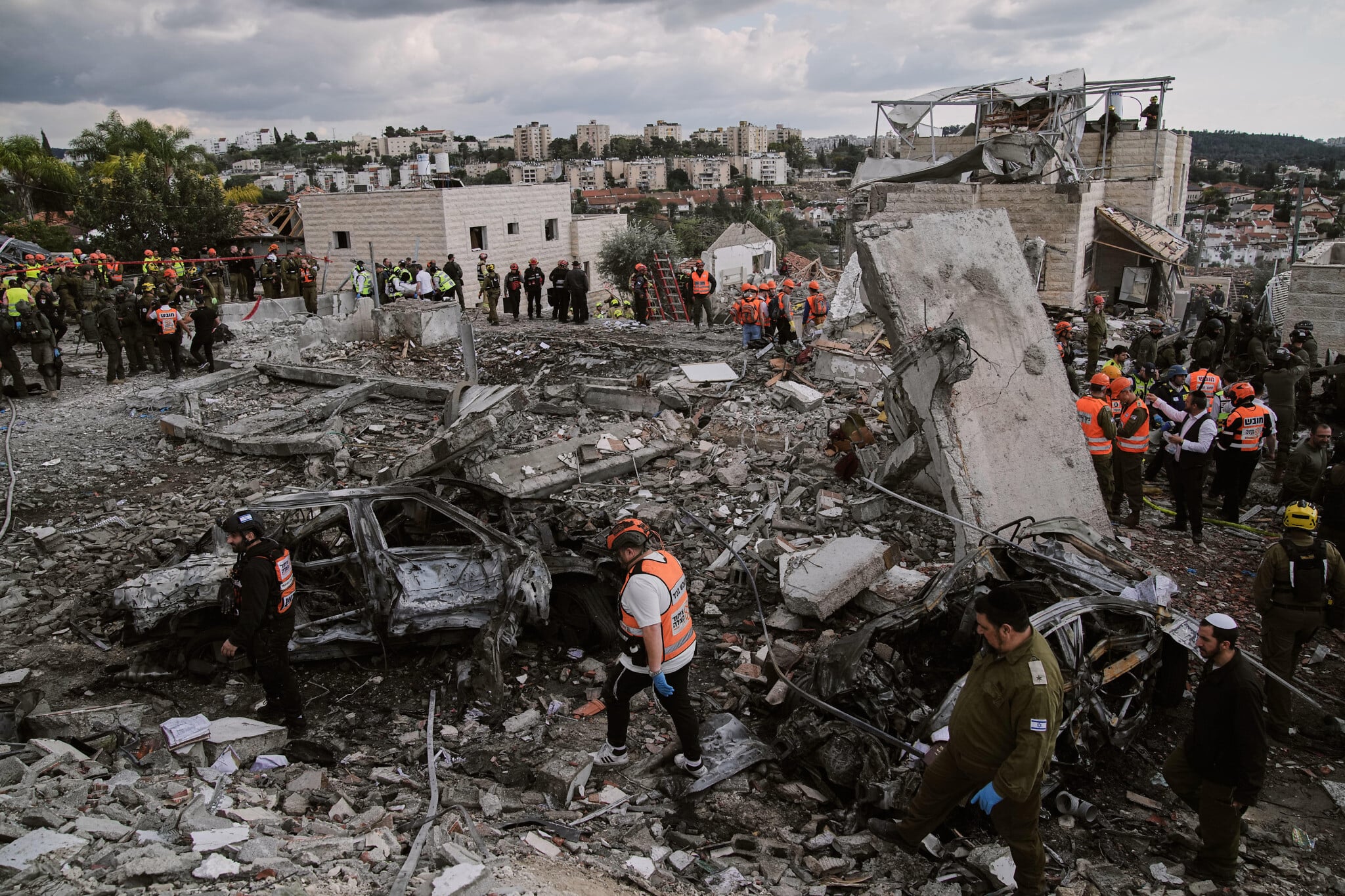
Rescue workers and military personnel operate at the scene where nine people were killed in an Iranian missile strike in Beit Shemesh, Israel, March 1, 2026. (AP Photo/Leo Correa, File)
“Israel’s result in this year’s World Happiness Report does not erase the psychological and social cost of the war,” Fanti said. “On the contrary, it highlights the gap between the resilience of Israeli society and the difficult emotional reality of daily life.”
However, resilience might be eroded as trust in state institutions continues to decline, with Israel falling to 107th place in the perception of corruption indicator.
“The rise in worry, sadness and anger, together with the erosion of public trust, shows that resilience needs to be reinforced by active policy aimed at rebuilding public trust,” she said.
Other Nordic countries are also once again at the top of the happiness rankings this year, in the annual report published by the Wellbeing Research Centre at the University of Oxford. After Finland, Iceland and Denmark are in second and third, and Sweden is ranked fifth.
Costa Rica is a newcomer, ranked fourth.

Israelis gather for Shabbat dinner at Tel Aviv’s Hostages Square, October 10, 2025. (Avshalom Sassoni/Flash90)
Country rankings were based on answers people gave when asked to rate their own lives. The study was done in partnership with the analytics firm Gallup and the UN Sustainable Development Solutions Network. Fanti said she confirmed the statistics with data from Israel’s Central Bureau of Statistics.
The CBS found that overall life satisfaction among Israelis aged 20 plus remained remarkably high at 91.1% through 2024, confirming the World Happiness Report’s finding that Israelis tend to evaluate their lives as good even during a crisis, Fanti said.
However, the CBS also recorded a sharp rise in clinical distress. The percentage of Israelis reporting feelings of depression jumped from 25.5% in 2023 to 33.9% in 2024, and stress levels rose from 58.2% to 67.9%
“We cannot take for granted the population’s resilience in the face of such difficult years,” Fanti said. “The 2026 report shows that Israeli society is still very strong.”
However, she said it is crucial to “strengthen social and mental health services, and reinforce the sources of cohesion that enable Israeli society to endure even under difficult conditions.”
“Resilience is not forever,” she said.