
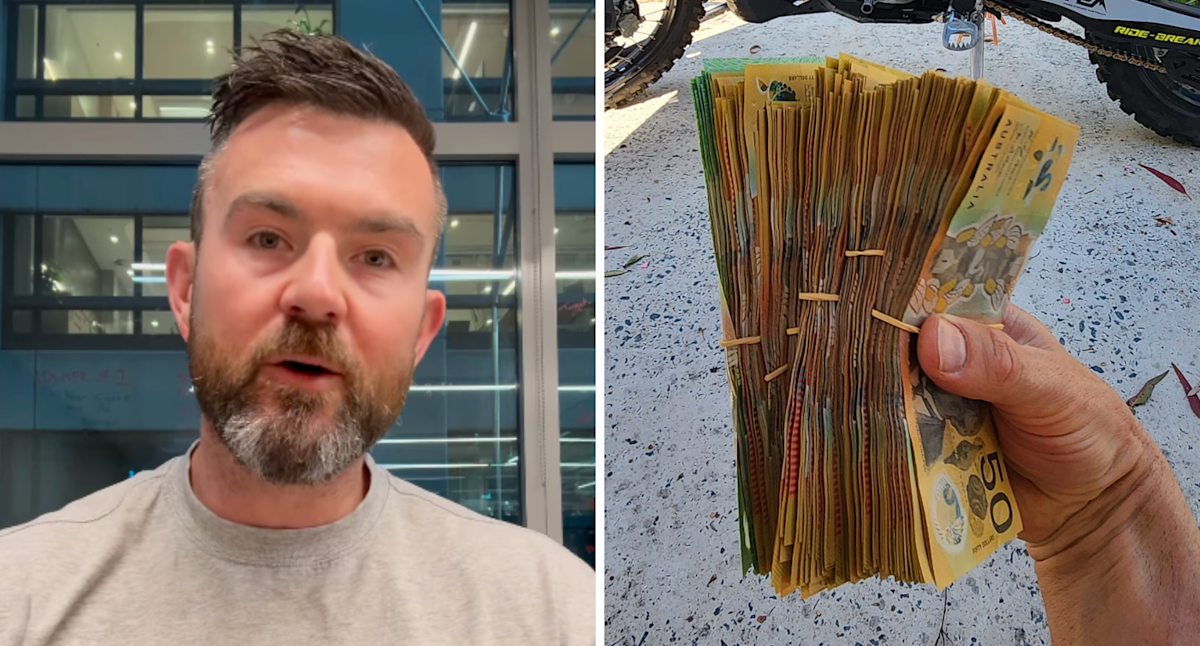
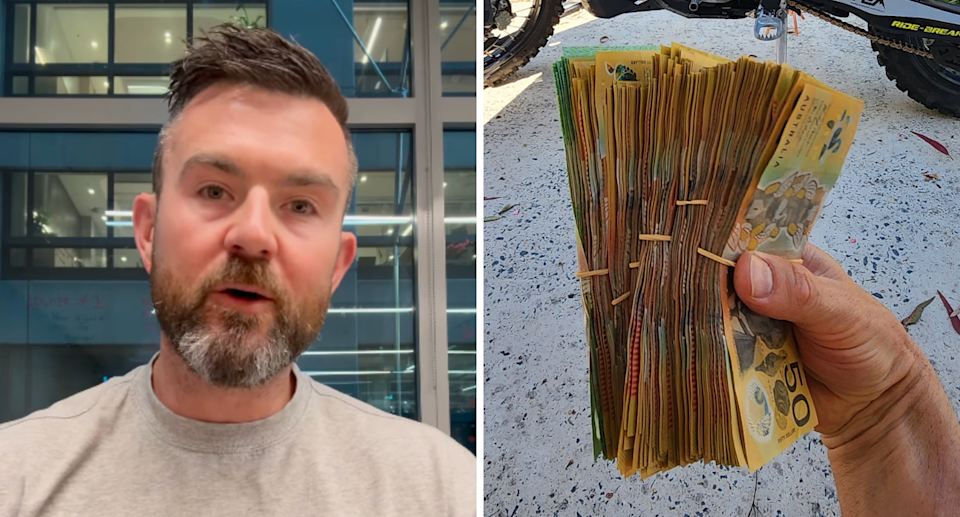
 There’s no such thing as too small to matter. (Source: Instagram/Ben Nash)
Most people think the reason they’re not investing is because they don’t have enough money. But that’s not the real issue.
The mistake most people make is thinking the amount they’re not investing is too small to matter, so it gets pushed to a tomorrow that never seems to come around. But when you skip small amounts early, you’re not just missing a few extra dollars this year – you’re giving up decades of compounding.
If you’re 20 today and invest just $5 daily for only one year, then leave that money to grow until age 65, your money would grow to around $117,000 based on the Australian long term sharemarket return of 9.8%.
RELATED
That’s over $100k made from investing just $1,825 over only one year, but invested early enough to let compounding work for you.
And if you’re working on bigger numbers, the impact is even more. In the same position, investing $500 weekly over only one year would grow to around $1.67 million.
This shows the opportunity, along with the real cost of not investing. Miss just $5 daily and you cost yourself over $100k just this year alone, and with bigger numbers the cost is well into the $1m+ territory.
If you want to get these sorts of results this year and lay the foundation for your future money success, there are five key traps you want to avoid.
Most people think investing should start once they’ve saved up a decent chunk of money.
That might sound sensible, but it can often end up being an excuse to delay. For most people, the smarter move is to invest a small regular amount into simple assets – something like a market-tracking index fund, and then letting time and consistency do the heavy lifting.
The mistake here is thinking you need to be more advanced before you get started – usually it’s getting started that makes you more advanced.
This one is most common with even the smartest people. You listen to podcasts, read articles, follow market news, and convince yourself this means progress. And in some ways it is, but it’s not progress in the area that actually matters – your actual results.
You don’t need the perfect setup to get started. You just need a sensible approach that fits your goals and timeframes – then you need to give it time. The markets don’t reward perfection, they reward time.
Cash savings has a role – you need it for bills, emergencies, and your short term plans.
Story continues
But once you’ve got enough to cover this spending, too much cash can quietly become a problem. It might feel safe, but cash savings are going backwards after you factor in taxes and inflation – with most of the damage happening in the background while you think you’re being smart.
This is where a solid bank account budgeting system can help. When your money is organised, it gets easier to separate the money you need now from the money that should be working for your future.
4. Deciding between investing and your mortgage
For lots of Aussies, the real question isn’t whether to invest – it’s whether to invest or throw every spare dollar at your home loan.
Sometimes paying down your mortgage is the right call, but if you’ve got a long term timeframe the financial impact of saving vs paying off your mortgage can have a huge impact on how your money grows over time.
The biggest mistake here isn’t choosing one over the other, it’s leaving the decision unmade and drifting for years.
5. Ignoring tax and structure
Your investment returns matter, but how much of those returns you keep after the ATO takes their slice matters more.
If you’re serious about building your assets and wealth over time, you should be thinking about how to invest tax efficiently. That doesn’t mean building a complicated structure from day one – it just means making sure you’re not leaking money unnecessarily as you build.
Things like investing with franked dividends, debt recycling, using tax structures to invest, and even leveraging tax deductible super contributions can all make a meaningful difference to your after tax investment returns – and accelerate your progress at the same time.
Most people underestimate the cost of waiting, because how much you’re thinking about investing feels too small to matter.
But even $5 a day is big enough to make a real difference. For a 20 year old, that’s over $100,000 in future wealth missed in just one year – if you start investing sooner and give your money time to grow.
That’s why one of the biggest investing mistakes isn’t picking the wrong investment – it’s not getting started – today.
Start small, keep it simple, set up your system, and then give compounding enough time to do its thing.
Ben Nash is a finance expert commentator, podcaster, financial adviser and founder of Pivot Wealth. You can learn more about how to be smart with your money through Ben’s book Replace your Salary by investing.
If you want some help with your money and investing, Ben has created a free seven-day challenge you can use to get more out of your money you can join here.
Disclaimer: The information contained in this article is general in nature and does not take into account your personal objectives, financial situation or needs. Therefore, you should consider whether the information is appropriate to your circumstances before acting on it, and where appropriate, seek professional advice from a finance professional.