
The competition watchdog has received more than 500 reports of possible price-gouging at petrol stations since the breakout of war in Iran, with retailers on notice over cost increases for motorists within hours of the first US and Israeli-led strikes.
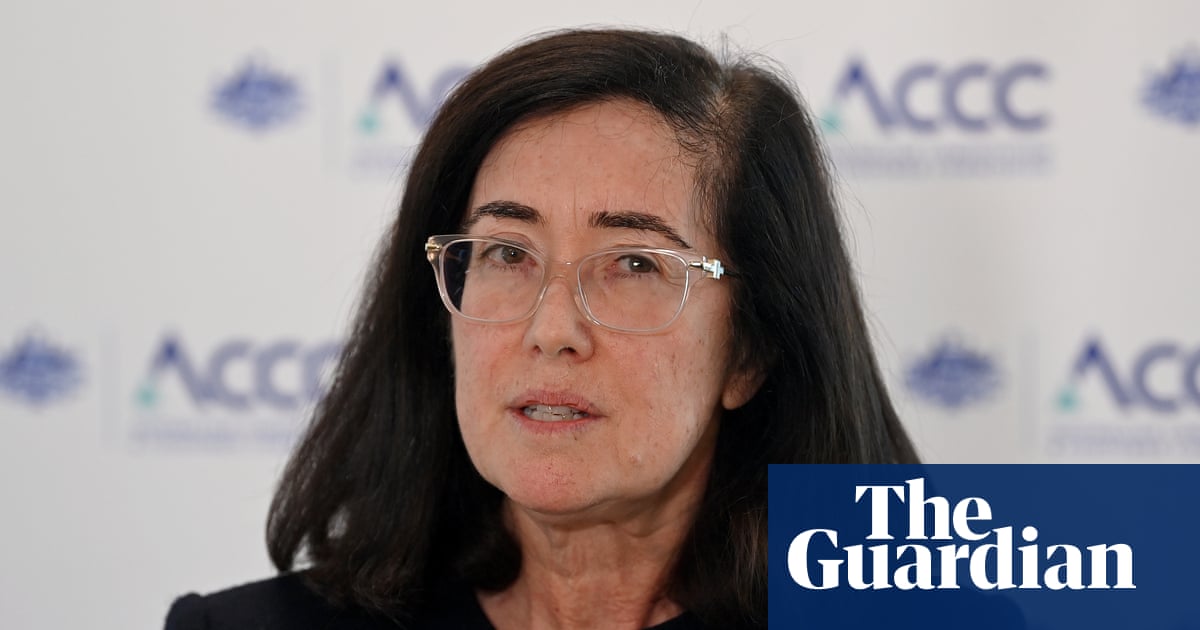
Gina Cass-Gottlieb, the chair of the Australian Competition and Consumer Commission (ACCC), told Guardian Australia she was receiving further information about fuel price increases moving faster than petrol price cycles in the first days of the war, promising to come down hard against retailers found to be doing the wrong thing.
On Thursday, Cass-Gottlieb announced she was investigating alleged anti-competitive behaviour about diesel availability to independent operators in regional and rural Australia, naming major suppliers Ampol, BP, Mobil and Viva Energy in a statement.
But Exxon Mobil hit back strongly at the suggestion of wrongdoing, accusing the ACCC of creating a “distraction” during the crisis.
The ACCC will release its latest fuel market monitoring report on Friday, covering price movements in 190 rural, regional and metropolitan areas around the country.
“We are, of course, always looking very closely at the representations being made and the conduct impacting on consumers,” Cass-Gottlieb said.
She likened the current crisis, in part driven by supply disruption through the strait of Hormuz, to disruption during the Covid-19 pandemic, because of the capacity for pain across the economy.
Cass-Gottlieb said there had been “rapid change” in fuel prices immediately after the start of the war, when usually there would be a lag reflecting stock purchased before a major event and already in the system.
“We certainly were very clear that it is important for retailers and fuel companies, at each stage of the supply chain, frankly, to be accurate, open and honest about reasons for price increases and to treat customers fairly.”
She welcomed national coordination by the federal government, alongside tough powers held by the ACCC on behalf of consumers.
Sign up for the Breaking News Australia email
Investigations against Ampol, BP, Mobil and Viva Energy are at the preliminary stage, and the ACCC is yet to form a view about the allegations.
But in a statement, Exxon Mobil said the statement by the ACCC was “baseless”.
“Our Mobil team has been working nonstop to support customers,” a company spokesperson said.
“To date, we have exceeded our obligations to customers with established supply contracts.
“Rather than making false claims and creating distractions, it would be far more productive if the ACCC offered solutions for fuel supply.”
The climate change and energy minister, Chris Bowen, said on Thursday an additional 519m litres of petrol and diesel had been released for sale and would be directed to regional Australia.
That amount is the equivalent of four additional days’ worth of diesel and three days of petrol.
“The commonwealth’s role is securing fuel supply. We will now keep working with the states to get our petrol and diesel into the communities that need it,” he said.
The Greens have urged the prime minister, Anthony Albanese, and the treasurer, Jim Chalmers, to immediately implement a 25% levy on gas exporters, moves designed to capture windfall profits from soaring global prices.
The Greens leader, Larissa Waters, wrote to Albanese offering support to pass legislation for the plan as soon as next week, suggesting it could raise $17bn for the budget. She pointed to strikes by Israel on strategic gasfields in Qatar, developments expected to push up prices around the world.
“Even if the war ended tomorrow, the restoration of these production facilities will take months to years,” Waters wrote.
“While this supply shock will hit consumers and businesses right around the world, it will produce a deep and sustained financial windfall to Australian LNG exporters.”