
New York / London
—
The war in Iran has delivered what economists call a “black swan” event — an unforeseen shock so destructive, no one is immune to it.
While the so-called kinetic war plays out in the Middle East, where hundreds of civilians have been killed, an economic earthquake is radiating outward from the Persian Gulf. Virtually everyone is about to feel its impact.
“No one’s a winner in this situation,” said Josh Lipsky, chair of international economics at the Atlantic Council.
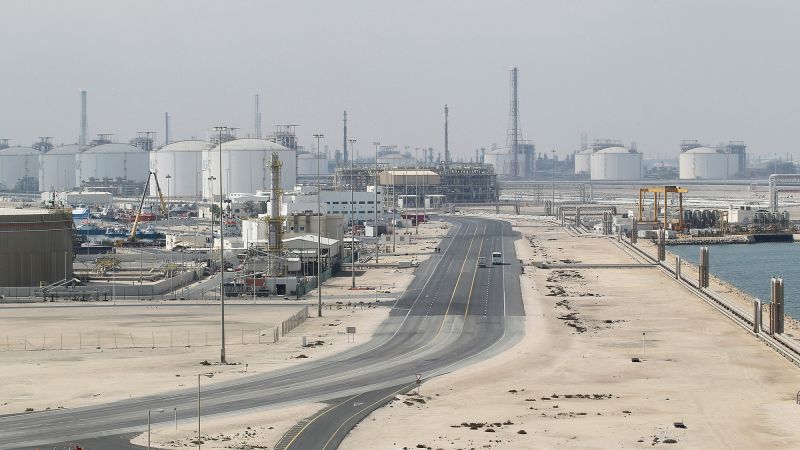
The energy shock intensified this week after Iran struck Qatari hubs for liquefied natural gas — a retaliation for Israel’s attack on Iran’s South Pars facility, part of the world’s largest natural gas field.
Spiking gas prices have already prompted governments to curb power use. Pakistan shut schools for two weeks; India is rationing natural gas supplies for manufacturers; and in at least one major Indian city, Pune, gas-powered crematoriums have suspended operations.
Although the United States, alongside Israel, initiated the war, the American economy is likely to be hurt the least, thanks in part to its world-leading domestic oil and natural gas production.
The development of fracking, as well as a move away from fossil fuels, has created a buffer for the US economy to absorb exactly the type of oil and energy shock it now faces, Joe Brusuelas, chief US economist at RSM, told CNN Thursday. But that buffer can only do so much, he added.
“We’re going to have a pretty notable economic drag here, should the war continue,” Brusuelas said. But “we are not in the situation like what’s going on in Asia, where you’ve got broad-based demand destruction that’s going to cause a recession in some economies quite quickly.”
South Korea last week imposed its first wholesale fuel price cap in 30 years. In addition to temporarily closing schools, Pakistan cut some government salaries to balance its budget. Thailand ordered some officials to work from home, and the Philippines instituted a four-day work week. In Bangladesh, motorcyclists were lining up for hours to fill their tanks following a government cap on fuel purchases.
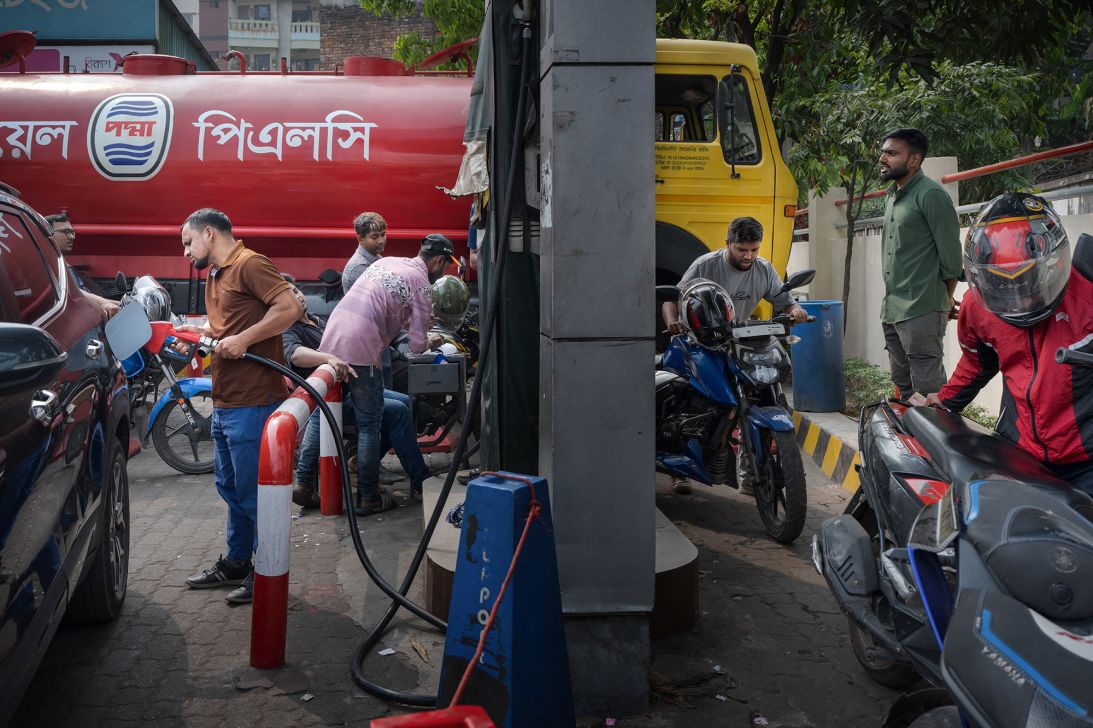
There are reports of widespread natural gas rationing across Bangladesh, including to clothing manufacturers, which are now facing significant production cuts, research firm Wood Mackenzie notes.
China, Asia’s biggest economy, may be more insulated than its neighbors, even though it is the biggest buyer of Iranian oil and about half of its crude imports pass through the Strait of Hormuz. That’s primarily because coal still dominates the country’s energy mix. But China has also embraced electric vehicles and renewable energy, taking the sting off higher fossil fuel prices. according to Julian Evans-Pritchard, head of China at Capital Economics.
Beijing also has sizeable crude oil reserves, estimated at 120 days’ worth, Evans-Pritchard wrote in a March 10 note. Taken together, those factors could even give Chinese manufacturers an advantage in global trade, he added, as rivals get hit by surging production costs.
For Europeans, this energy shock feels uncomfortably familiar.
After Russia invaded Ukraine four years ago, European governments moved to diversify away from Russian energy. The beneficiary of that shift? The Persian Gulf.
It’s an “oh no, not again” situation in Europe, said Lipsky, speaking from Prague, where he was meeting with finance ministers and central bankers.
Natural gas is the dominant energy source for EU households, and since the war began, benchmark European prices have almost doubled. Even before that, energy prices were too high, Belgian Prime Minister Bart De Wever said Thursday on the sidelines of an EU summit. “If that becomes structural, we’re in deep trouble.”
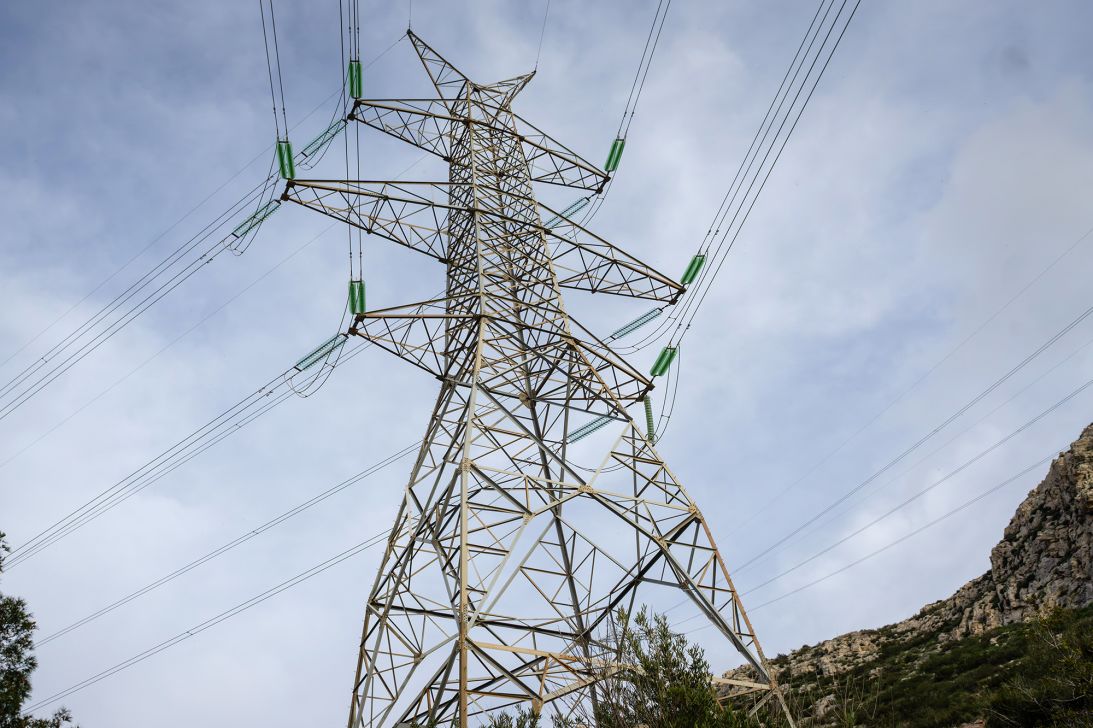
Although the EU buys most of its liquefied natural gas from the United States, the loss of Qatari supplies is driving up global prices.
Since the war began, at least 11 tankers carrying gas bound for Europe have been rerouted to Asia, where buyers have outbid European rivals, Gillian Boccara, senior director of gas and power at commodities intelligence provider Kpler, told CNN earlier this week.
Consumer price inflation in the European Union — which stood at 2% in January — could rise by more than a percentage point if the conflict drags on for several months, according to Holger Schmieding, chief economist at Berenberg bank. And up to half a percentage point could be shaved off economic growth in that scenario, he previously told CNN.
The global nature of commodities markets means even a net exporter like the United States won’t be fully insulated from higher prices. The US produces as much energy as it needs, but its refiners aren’t fully equipped to process the particular kind of crude that comes from American oil fields. That’s why gas prices have jumped more than 30% in the past month, to $3.88 on average from $2.92.
It’s both a financial problem for consumers and a political problem for President Donald Trump and Republicans heading into a midterm election. But the energy shock alone likely isn’t enough to tip the world’s largest economy into a recession.
“A $30 trillion economy isn’t just going to roll over because you get a 30% increase in the price of gasoline,” Brusuelas said, noting his firm has moderately increased its recession probability estimate, to 30% from 20% before the war. “There needs to be a broader set of conditions that coalesce to create that. And right now, even with the escalation of the past week, we’re just not there.”