
Late Thursday, Israeli Prime Minister Benjamin Netanyahu said the country would hold off on any further attacks on the gas field at the request of US President Donald Trump after the Iranian response sent oil prices skyrocketing.
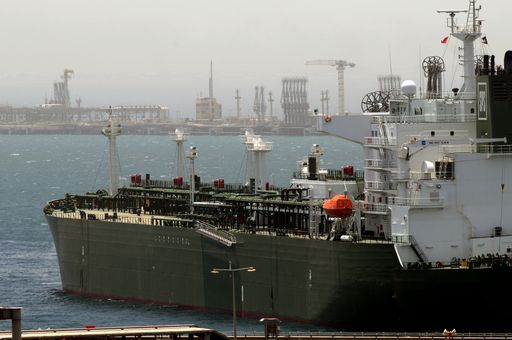
Beyond Iran’s attacks on its Gulf Arab neighbours, its stranglehold on shipping through the Strait of Hormuz, a strategic waterway through which a fifth of the world’s oil and other critical goods are transported, has caused rising concerns of a global energy crisis.
Brent crude oil, the international standard, which spiked to more than $119 a barrel during Iran’s attacks Thursday, was around $107 in morning trading on Friday, up more than 47 percent since Israel and the United States attacked Iran on February 28 to start the conflict.
Sirens in Israel and explosions in Tehran
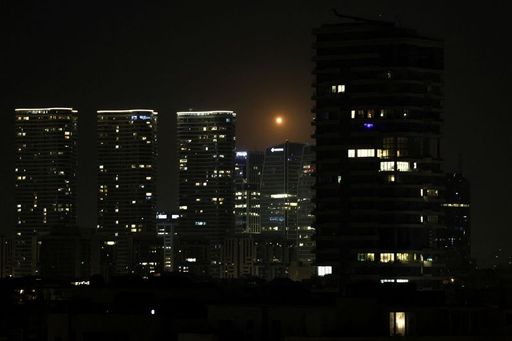
In Israel, sirens sounded early on Friday, warning of attacks on West Jerusalem and on the north of the country, sending people again scrambling to shelters.
There were no immediate reports of casualties.
Not long after Israel announced that it had begun new strikes on Iran, the sound of explosions were heard in Tehran, as Iranians marked Nowruz.
More than 1,300 people in Iran have been killed during the war.
Israeli strikes against the Iranian-backed Hezbollah in Lebanon have displaced more than 1 million people, according to the Lebanese government, which says more than 1,000 people have been killed.
Israel says it has killed more than 500 Hezbollah members.
In Israel, 15 people have been killed by Iranian missile fire. Four people were also killed in the occupied West Bank by an Iranian missile strike.
At least 13 US military members have been killed.
Related