
KTH research transforms wheat bran into plant-based hydrogels, offering new texture solutions and value streams for food manufacturers globally.
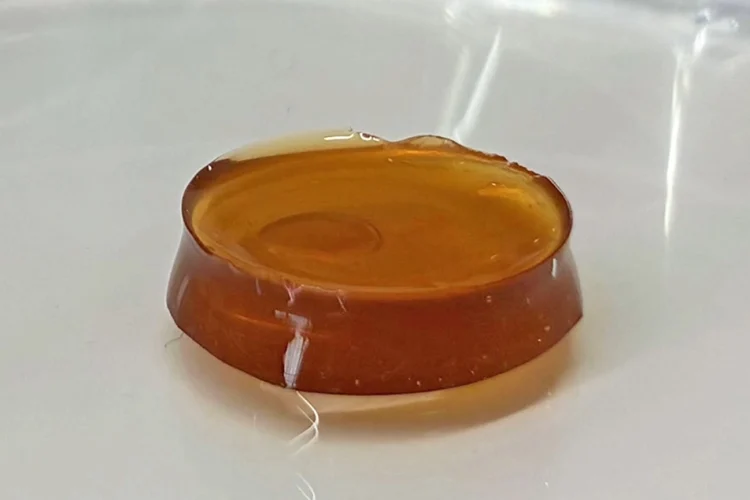
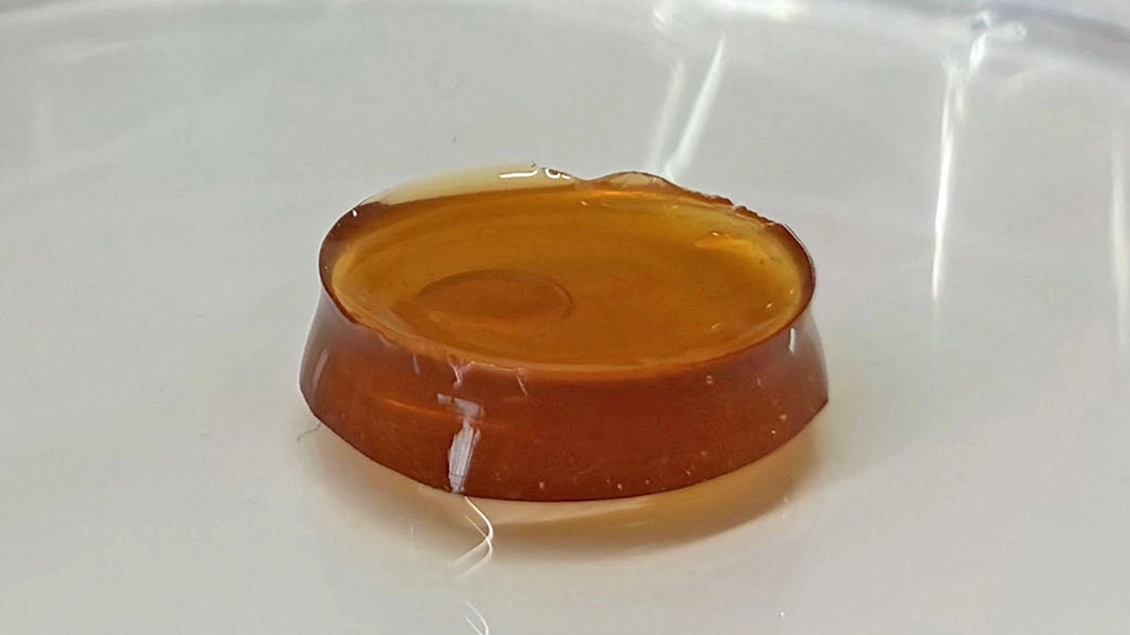
The study marks the first time wheat gluten protein – rather than animal-based protein -has been successfully incorporated into bran-based hydrogels (pictured). Credit: David Callahan
Researchers at KTH Royal Institute of Technology have developed a method to transform wheat bran, a major milling by-product, into plant-based hydrogels suitable for a wide range of food applications.
The findings, published this month in Food Hydrocolloids, could unlock new value from millions of tonnes of underutilised agricultural side streams.
Wheat bran, typically used as animal feed despite its high dietary fibre content, has historically been limited in food applications due to its coarse texture. However, the KTH team has successfully converted bran into soft, jelly-like hydrogels that can enhance structure, thickness and mouthfeel in food products.
Francisco Vilaplana, professor in glycoscience at KTH and director of the PLENTY research centre, said: “That’s in contrast to the rough and fibrous mouth-feel of wheat bran, which normally prevents us from enjoying it in healthy food products.”
The hydrogels are created by extracting arabinoxylan (AX), a fibre naturally present in wheat bran, and combining it with wheat-derived proteins. Using the enzyme laccase, researchers link the fibre molecules to form a stable gel, with the protein embedded within the network.
Vilaplana added: “We developed new functional food ingredients that combine two of the most nutritious components in our diets, the protein and the fibre.”
Unlocking new functionality in plant-based ingredients
Unlike plant proteins that struggle to form stable gels independently – often resulting in brittle or inconsistent textures – the fibre network improves protein functionality by stabilising its structure. This opens up potential applications across plant-based meat and dairy alternatives, high-fibre snacks, sauces, and specialised nutrition products such as sports and medical foods.
The study is the first to successfully incorporate wheat gluten protein into wheat bran-based hydrogels and systematically analyse the results. Early-stage testing also indicates the approach could be extended to other plant proteins, including pea and soy.
Led by postdoctoral researcher Niklas Wahlström and funded by the Lantmännen Research Foundation, the project is now being extended through the PLENTY research centre at KTH, where scientists are expanding these biotechnological approaches to valorise agrifood side streams.
PLENTY, a Formas-funded research centre, focuses on resource optimisation and circular supply chains to reduce food waste.
According to Vilaplana, the innovation could significantly increase the use of agricultural by-products in human food.
Related topics
Alternative Proteins, Food Waste, Health & Nutrition, Ingredients, New product development (NPD), Plant based, Processing, Product Development, Proteins & alternative proteins, Research & development, Sustainability