

In times like these, the prospect of rising costs and falling investment balances, can feel like the only certainty. Frances Cook outlines five areas where you can exercise some control, which will help both your bank balance and your mental wellbeing.
Every time I’m faced with an overwhelming situation, I push myself to take a step back and look for the things I can control.
Like, say, if a new war that is bringing human tragedy and, closer to home, increased cost-of-living pressures. While scrolling in despair is tempting, turning your attention to actual life and doing something about the things you can affect is not only more useful, it helps to stem those feelings of doom.
So because my area is finance, these are the things that I’m focusing my energy on.
1. Food prep, apocalypse style
One of the areas we’re likely to feel the pinch is with fresh food. New Zealand imports a key fertiliser called urea, and a lot of it travels through the blockaded Strait of Hormuz.
Fresh vegetables are likely to show the impacts within their growing cycle of about 90 days.
If you can start preparing the food budget now, that means you’ve got more wiggle room later, if prices do indeed go up.
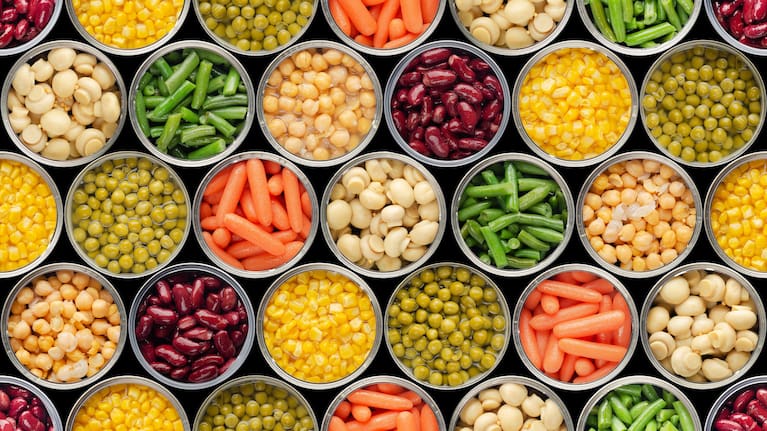
One smart move is to buy more seasonal produce, as that’s cheaper to start with, and often needs less fertiliser.
You can also swap in frozen or canned food where that makes sense. It’s often picked in peak season, stored cheaply, and can be available on special.
Growing some of the more expensive items can take the pressure off your budget. Fresh herbs and leafy greens can be horribly expensive, but grow well even if you’ve only got windowsill space.
2. Stock up on staples
Wheat is another product that could be impacted, meaning staples like bread and flour could become more expensive.
It’s heavily reliant on fertiliser, and with crops due to be planted soon, some farmers are already weighing up whether they should plant something else.
Other staples could also be impacted by issues such as increased transport costs and farmers paying more to operate planting and harvest machinery.
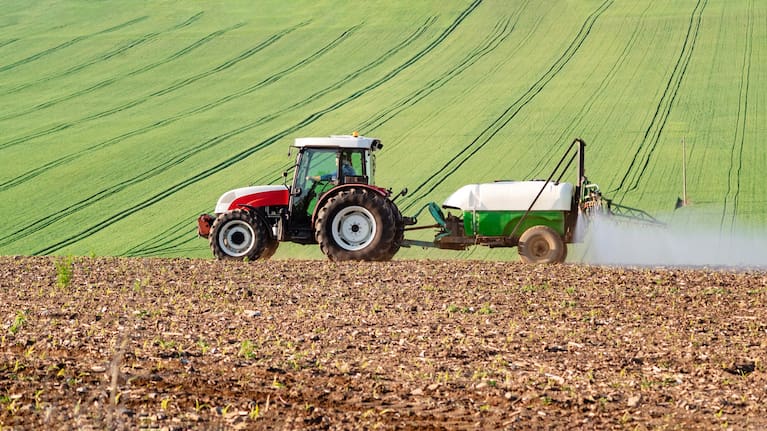
That doesn’t mean you should panic buy, but if you do go through a lot of flour, keeping a small buffer of it at home could be a smart idea.
Make sure you aren’t wasting any, either. Bread crusts can be frozen, turned into croutons, or used to crumb meat.
Reducing food waste often just requires you paying a bit more attention to what you’re about to throw out and what you might use it for instead.
3. Make KiwiSaver fit your life, not the latest crisis
If the war in Iran continues, you’re likely to see it in your KiwiSaver. The sharemarket goes up and down at times like this, as impacts ripple through the business community.
The thing is, that’s a feature not a bug. It’s part of how your KiwiSaver makes money, overall. And the price of that is sitting on your hands, and letting it do its thing.
The most important thing is to have your KiwiSaver on the right settings for your life, and then ignoring it when the headlines are getting scary.
EnableMe financial coach Kristin Sutherland has some simple rules of thumb for deciding which fund choice is best for you.
“If we’re looking at not using the money for 10 years or more, meaning we’re not going to use it for a first home or we’re not 10 years from retirement, we would go growth.
“A shorter timeframe of under 10 years, but still not something that we need to use tomorrow, then balanced. A two to five year range, for balanced.
“Then if we are thinking we need to use that money anytime soon, like in the next one to three years. Then conservative.
“Which is broad advice, but it gives you a starting point.”
4. Wring the last gasp out of your gas
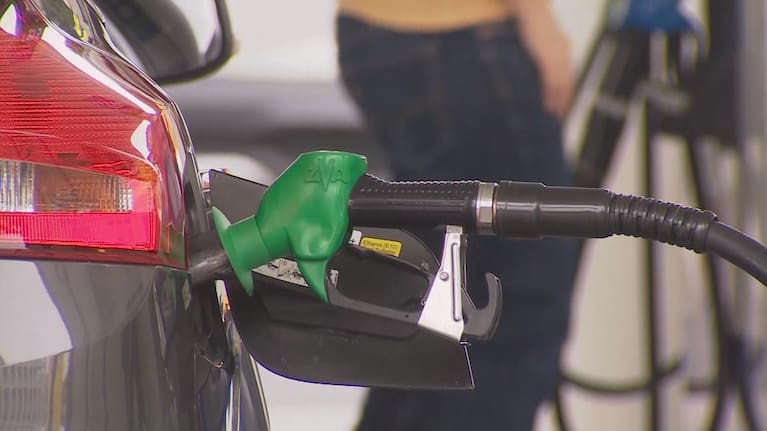
Petrol is a hot topic, including whether or not we’ll run out of the stuff.
Experts are predicting shortages in five to six weeks, if the political situation doesn’t change, and questioning whether we’ll see a return to car-free days, and if we should all be working from home.
Whatever happens there, price comparing has never been more important. Apps like Gaspy, or Petrol Spy NZ, make it easy to see where petrol is cheapest in your area.
Keep an eye on the prices at different times of the week. In many cities, petrol is cheaper earlier in the week. Tuesday might be your best bet for filling up.
Take anything you don’t need out of the car, and if you have a roof rack, get it off the vehicle. More weight and drag can make your fuel bill far higher than it needs to be.
Tyre pressure is another one that can have an underrated impact. It’s easy and free to fix, so why not?
5. Remember it’s an election year
You can’t control global politics, but we can all make a little difference in our own corner of the world.
As someone who was once a political journalist, you’d be surprised how effective a simple email to your local MP can be. They get enough of them, and they start to wonder if those views are impacting votes too.
Don’t forget it’s an election year.
So if this latest crisis has you wondering about electric vehicle subsidies, or solar power, to make us less reliant on imported oil? Well, the politicians will only know that’s important to you if you tell them.
The views in this column are general in nature and should not be read as personalised financial advice.