
Home » Latest Travel News » Emirates Makes Major Flight Reductions Amid Middle East Crisis The Far Reaching Effects on Global Travel, Tourism, and Economy: All You Need To Know
Published on
March 20, 2026
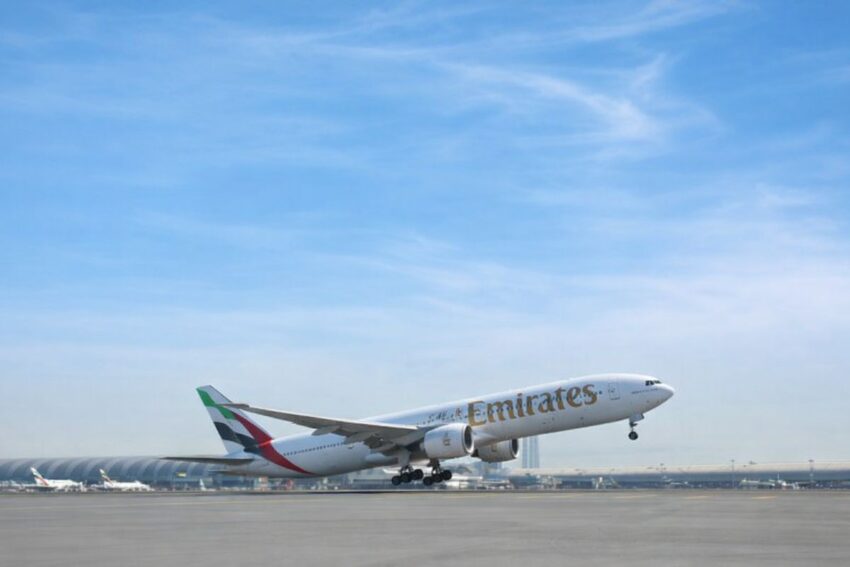
Image generated with Ai
Image: Emirates
In response to the ongoing regional crisis in the Middle East, Emirates has been forced to make significant reductions in its flight operations. This drastic decision comes as the airline seeks to ensure the safety of its passengers and crew amidst the escalating tensions in the region. The effects of this move extend far beyond just disrupted flight schedules, impacting global travel, tourism, and the broader economy. As international flights are grounded and schedules are adjusted, the ripple effect is felt across the tourism industry, with destinations in the Middle East and beyond seeing a decline in visitor numbers. These changes are reshaping travel plans, influencing business decisions, and causing economic ramifications that stretch across the world. In this article, we delve into how these flight reductions are affecting global tourism and the economy and what passengers and businesses need to know during these uncertain times.
Emirates Reduces Flight Operations Amid Regional Crisis
Since the partial reopening of regional airspace on 18 March 2026, Emirates has been forced to adapt by reducing its flight operations to key destinations. This decision has been made to ensure the safety of both passengers and crew members while the airline continues to monitor the rapidly changing situation. Passengers who have already booked flights or planned to travel on Emirates are advised to stay updated on flight schedules, as changes are being made frequently.
The disruption in flight schedules comes at a time when international travel demand is recovering, making the situation more challenging for the global tourism sector. With several airports in the Middle East experiencing limited operations, passengers are facing the uncertainty of canceled or delayed flights.
Advertisement
Advertisement
Rebooking and Refund Options for Affected Passengers
Emirates is offering a range of options for passengers whose travel plans have been impacted by the disruptions. Passengers who booked flights between 28 February and 15 April 2026 can rebook on another Emirates flight for travel before 31 May 2026. This flexibility allows travelers to adjust their plans without incurring heavy penalties, a move aimed at providing relief during uncertain times.
Additionally, passengers who prefer to cancel their plans and no longer wish to travel can request a refund. Emirates advises that flight rebookings be completed before requesting refunds, as unused segments of the ticket will automatically be canceled if a refund is processed. This is an important step for customers who still want to ensure they receive their full ticket value.
Advertisement
Advertisement
Passengers can complete these tasks easily through the “Manage Your Booking” section on Emirates’ official website or the Emirates mobile app, ensuring a smooth and efficient process.
Customer Service and Support Channels
For those who are unable to make changes through the online portals, Emirates has made provisions for additional support. Travelers can contact local Emirates contact centers, use live chat services, or visit Emirates retail stores for assistance with their bookings. Currently, all city check-in points across Dubai are temporarily closed, but passengers can visit the following locations for in-person support:
Advertisement
Advertisement
Emirates Reservations and Ticketing Desk at Terminal 3, Dubai International AirportEmirates World, Jumeirah Town CentreEmirates Group Technology Centre, Deira
These support channels offer passengers the opportunity to resolve issues such as canceled flights, itinerary changes, or any additional help required for travel planning.
Impact of Regional Tensions on Middle East Tourism and Air Travel
The ongoing instability in the Middle East has a significant impact on tourism across the region, with tourism-dependent industries facing setbacks. The crisis not only affects air travel but also other aspects of tourism, including hotel bookings, event cancellations, and overall visitor confidence.
Airlines operating in the Middle East are the first to feel the brunt of the situation, as their operations are directly impacted by airspace restrictions and flight delays. For a region that is heavily reliant on international tourism, these disruptions are causing ripple effects on the hospitality and service industries, from luxury hotels in Dubai to popular resorts in the Gulf.
For example, high-end hotels such as the Atlantis in Dubai, the Ritz-Carlton in Riyadh, and luxury resorts across Egypt are grappling with record-low bookings as potential travelers are deterred by uncertainties. These disruptions lead to significant financial implications for the hospitality industry, as the number of tourists visiting major destinations has decreased.
How Travel Disruptions Affect Tourism Growth
Tourism is a vital contributor to the Middle East’s economic growth, with the region known for its thriving tourism sector. Cities like Dubai, Abu Dhabi, Doha, and Riyadh attract millions of tourists every year, with major events, luxury resorts, and high-end shopping attracting international visitors. However, disruptions in air travel can lead to a chain reaction that severely impacts other aspects of the tourism industry.
When flight schedules are disrupted, travelers are less likely to visit these destinations. As a result, tour operators, travel agencies, and local businesses experience a drop in demand, leading to financial losses and even layoffs. This scenario can undermine years of progress made in boosting tourism to the region.
Furthermore, when travelers face flight cancellations or delays, they may opt to cancel or reschedule their trips, impacting overall bookings in the region. The uncertainty around whether flights will operate on time can deter both leisure and business travelers from planning trips to the Middle East.
The Broader Economic Consequences of Travel Disruptions
The Middle East tourism sector is a key economic driver, and air travel disruptions can have long-lasting effects on the region’s economy. The hospitality industry, especially in cities like Dubai, heavily relies on international tourism. According to reports from local tourism boards, Dubai alone recorded over 16 million international visitors in 2025, contributing a significant portion to the city’s economy.
However, the regional airspace crisis could reduce the number of international tourists visiting the region, leading to decreased spending on tourism-related activities such as accommodation, dining, transportation, and entertainment. This has a cascading effect on local businesses and industries that depend on tourism as a primary revenue source.
Steps to Ensure Future Stability in the Tourism Sector
In response to these challenges, the tourism sector in the Middle East must work towards building greater resilience. Governments and tourism authorities can collaborate with airlines and hotels to ensure that contingency plans are in place for potential disruptions in the future. The introduction of more flexible booking policies, travel insurance options, and stronger communication between airlines, governments, and travelers will play a critical role in minimizing the economic impact of future crises.
The travel industry must also look to diversify its source markets and promote regional tourism to lessen reliance on long-haul international travelers. By targeting neighboring regions and domestic travelers, countries in the Middle East can help stabilize the tourism sector, ensuring a steady stream of visitors even when international travel is restricted.
Conclusion:
Emirates’ decision to make significant flight reductions amid the ongoing Middle East crisis has far-reaching effects on global travel, tourism, and the broader economy. As the airline adapts to the regional airspace disruptions, the impacts on travel schedules, tourist arrivals, and economic stability are undeniable. The reduced operations disrupt not only passengers’ travel plans but also the tourism industry, particularly in the Middle East, where tourism is a vital economic driver. Global travel, including flights to and from major hubs like Dubai and Riyadh, faces delays and cancellations, influencing the flow of visitors and business travelers.
The ripple effects are felt across various sectors, from hospitality to local economies that rely on tourism spending. These disruptions highlight the need for greater resilience in the travel industry, with airlines, governments, and tourism bodies needing to collaborate on strategies to minimize the impact of such crises in the future. While the current situation presents challenges, it also underscores the importance of flexibility, effective communication, and diversified tourism efforts to ensure that the global travel and tourism sectors remain robust even during uncertain times.
