
Home » TRAVEL NEWS » South Africa Joins Kenya, Zambia, Madagascar, Somalia, Tanzania, and More in Africa Struggling with Skyrocketing Jet Fuel Costs, Supply Shortages, and Aviation Sector Vulnerability Amid Ongoing Middle East Crisis
Published on
March 22, 2026
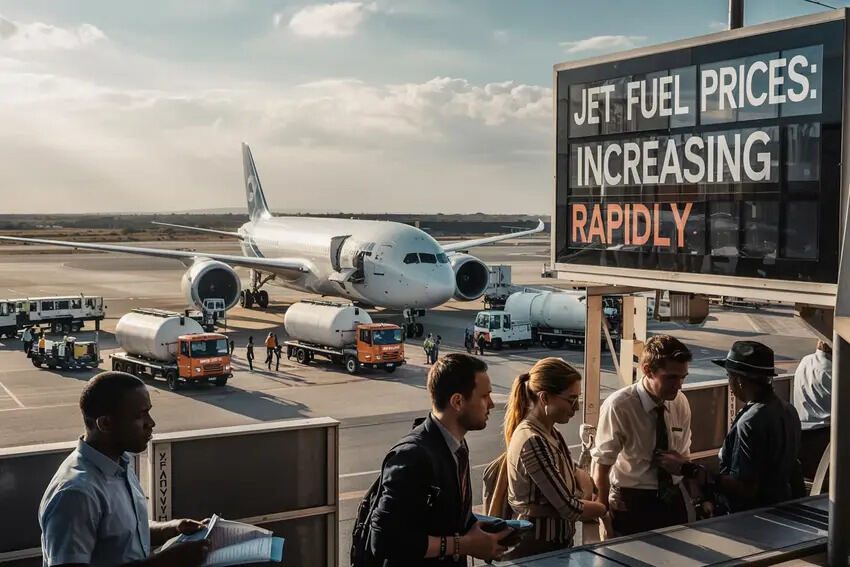
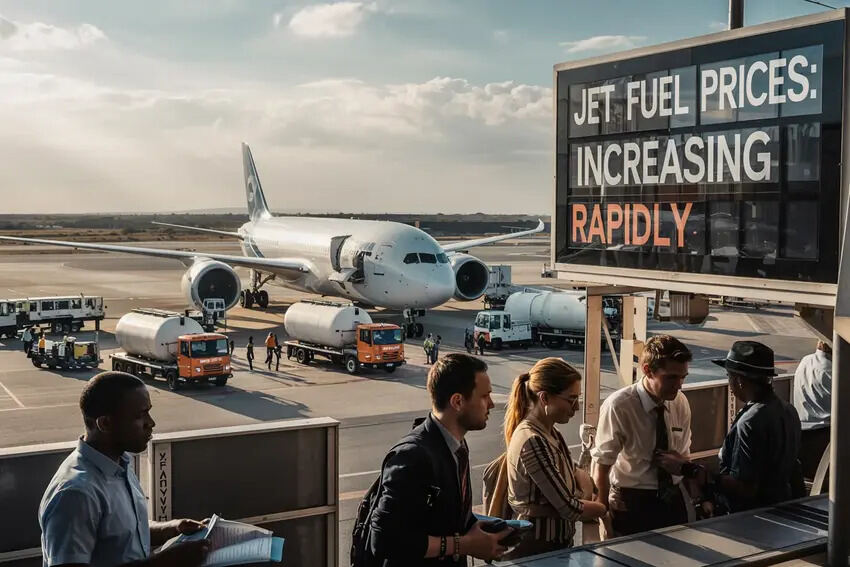
Image generated with Ai
South Africa joins Kenya, Zambia, Madagascar, Somalia, Tanzania, and more in facing a severe crisis as jet fuel prices skyrocket and supply shortages deepen, driven by the ongoing conflict in the Middle East. These countries are experiencing significant disruptions in their aviation sectors, with airlines struggling to manage the soaring fuel costs that now account for a larger portion of operating expenses. The rising fuel prices are not only inflating ticket costs but also threatening to disrupt flight schedules and routes, creating vulnerabilities in the region’s air travel infrastructure. As the crisis continues, the ripple effects are expected to challenge Africa’s aviation industry and its connectivity with global markets.
Africa’s aviation sector is currently grappling with a severe crisis that could disrupt travel and impact regional tourism for months to come. The ongoing conflict in the Middle East, specifically the war between the US and Israel against Iran, has triggered a jet fuel shortage that is causing explosive price hikes across the continent. With fuel supplies coming under heavy strain, African nations are facing soaring fuel costs, growing route risks, and increasing aviation sector vulnerability.
Jet fuel is an essential component of air travel, and the aviation sector is already one of the most affected industries. From price increases to fuel shortages and route uncertainties, airlines in many African countries are struggling to keep up with the rising costs of air travel, ultimately impacting both passengers and businesses. Below, we delve into the nations most affected by this crisis and the global supply chain disruptions resulting from the ongoing Middle East conflict.
South Africa Faces Critical Jet Fuel Crisis and Increased Route Risks
South Africa’s aviation sector is perhaps one of the most exposed to the global jet fuel shortage. The country’s domestic airlines, including FlySafair, are seeing their operating costs soar as the price of jet fuel has increased by over 70% in some regions. The situation is exacerbated by the nation’s limited refining capacity after the closure of several major refineries in recent years.
Advertisement
Advertisement
The crisis has also created a “moving target” for airlines, as jet fuel prices are fluctuating rapidly. The volatility of fuel prices has made it increasingly difficult for airlines to quote fares with any accuracy, leading to route risks as well. In some instances, flight prices have changed between the outbound and return legs of a journey due to fuel price hikes. This uncertainty is expected to worsen if the conflict continues, making it more difficult for airlines to maintain profitable flight operations.
Key Issue: Jet fuel costs now account for more than 50% of airline operating expenses.Route Risk: Airlines are facing the challenge of route cancellations or adjustments as fuel supplies become uncertain.Kenya: A Region Under Siege by Rising Jet Fuel Costs
Kenya, another key African nation, is also feeling the pressure from the jet fuel shortage. As one of the East African nations heavily reliant on imported refined jet fuel, the country is vulnerable to the disruptions caused by the Middle East conflict. Airlines in Kenya, including Kenya Airways, are experiencing higher operational costs due to fuel price hikes, which are beginning to affect ticket prices.
Advertisement
Advertisement
The country has enough jet fuel stocks for about 50 days, but with the conflict continuing and the Middle East supply chains under siege, uncertainty over fuel availability looms large. This supply instability is likely to disrupt flight schedules and increase costs further, leading to ticket price inflation for travelers in and out of Kenya.
Key Issue: Kenya relies heavily on imported fuel, leaving it vulnerable to global supply disruptions.Route Risk: Airline operators are anticipating potential cancellations due to fuel supply uncertainty.Zambia Faces Jet Fuel Shortages Amid Limited Supplies
In Zambia, the situation is even more dire. The country’s fuel stocks have dwindled to just 10 days, with officials warning of potential panic buying and hoarding in the coming weeks. Airlines in Zambia are at the mercy of these uncertain fuel supplies, and the vulnerability of the aviation sector has become a significant concern for the government and industry stakeholders.
Advertisement
Advertisement
The Board of Airline Representatives in South Africa noted that Zambian airlines may face significant challenges in securing fuel at competitive prices in the near future, as regional supply chains remain under immense strain. This puts Zambia in a precarious position as it seeks to maintain its aviation operations amidst the ongoing crisis.
Key Issue: Fuel stock levels are critically low, putting airlines at risk of operational delays or cancellations.Route Risk: Airlines may need to reduce flight capacity to manage rising costs and fuel shortages.Madagascar’s Aviation Sector Vulnerability Amid Growing Fuel Costs
Madagascar’s aviation sector is highly vulnerable to the jet fuel crisis, as the island nation relies heavily on imports to meet its aviation fuel needs. With limited refining capacity, the nation is susceptible to rising fuel prices and fuel availability issues as global supply chains remain under strain. Airlines operating in Madagascar are already facing increased operating costs as fuel prices continue to rise.
This situation is compounded by the country’s geographic isolation and reliance on air imports for much of its aviation fuel. These supply disruptions, along with rising fuel prices, are causing inflationary pressures that could significantly impact the cost of flying in and out of Madagascar.
Key Issue: Limited refining capacity leaves the nation dependent on imported fuel.Route Risk: Rising fuel prices could lead to route cancellations or changes in flight schedules.Somalia Faces Rising Fuel Prices Amid Regional Instability
Somalia, a country still recovering from years of conflict, is facing a major fuel supply crisis. As with many of its neighbors, the nation relies heavily on imported refined jet fuel, and the ongoing disruption of supply chains from the Middle East has made it difficult for airlines in the region to maintain stable operations.
Fuel prices have risen sharply across Somalia, causing airlines to raise ticket prices in response. Additionally, there is a growing risk that airlines operating in Somalia will face route disruptions as fuel becomes harder to source.
Key Issue: Rising fuel prices are significantly increasing operational costs for Somali airlines.Route Risk: Route disruptions could occur as fuel supplies become scarce.Tanzania Faces Skyrocketing Fuel Prices and Increasing Route Risks
Tanzania is also feeling the impact of the jet fuel shortage, with rising fuel prices causing strain on the country’s aviation sector. As an East African nation that relies heavily on imported refined fuel, Tanzania faces a significant vulnerability to supply chain disruptions. The growing risk of higher operational costs is causing ticket prices to soar, which could reduce the country’s aviation competitiveness in the regional market.
Airlines operating in Tanzania are feeling the pressure of increased costs and are likely to raise ticket prices or cut back on flight frequencies if fuel prices continue to rise.
Key Issue: Rising fuel costs are threatening the affordability and viability of air travel.Route Risk: Increased route risks as airlines seek to mitigate rising costs.The Broader Impact on Africa’s Aviation Sector
As jet fuel prices continue to rise and supply chains remain disrupted, the African aviation sector is facing a growing crisis. From price hikes to route risks and operational vulnerabilities, the impact of the Middle East conflict is being felt throughout the continent. Airlines are raising ticket prices, introducing fuel surcharges, and adjusting flight schedules to cope with the challenges posed by skyrocketing fuel prices.
Airlines are now being forced to make difficult decisions regarding route adjustments, fleet management, and price strategies. African governments and aviation regulators are closely monitoring the situation, as they work to manage fuel supplies, prevent panic buying, and ensure that critical aviation infrastructure remains operational.
The Path Forward: Mitigating the Impact on African Aviation
As the crisis in the Middle East continues to unfold, African airlines and governments must explore long-term solutions to secure a stable and sustainable fuel supply. This may involve investing in local refining capacity, diversifying fuel import routes, and seeking alternative energy sources for aviation.
Additionally, regional collaboration between African nations could help to mitigate supply disruptions and ensure that aviation remains a viable option for travel and trade in the region. By working together to secure fuel reserves, share resources, and develop long-term strategies for energy security, Africa can weather the storm and protect its aviation industry from future crises.
The ongoing jet fuel crisis in Africa is a wake-up call for the aviation sector, highlighting the continent’s vulnerability to global supply chain disruptions. As countries like South Africa, Kenya, Zambia, Madagascar, Somalia, and Tanzania face the brunt of rising fuel costs and limited supplies, the impact on airline operations, ticket prices, and route risk is becoming increasingly apparent.
South Africa joins Kenya, Zambia, Madagascar, Somalia, Tanzania, and more as jet fuel prices soar and supply shortages disrupt aviation, causing soaring ticket prices and increasing route risks due to the ongoing Middle East conflict. This crisis is severely impacting Africa’s aviation sector, threatening operational stability across the continent.
With aviation sector vulnerability growing by the day, African nations must act quickly to secure fuel supplies, stabilize the market, and ensure that air travel remains affordable and accessible to travelers across the continent. The road ahead may be uncertain, but with the right measures in place, Africa can emerge from this crisis stronger and more resilient than ever before.
