
Home » TOURISM NEWS » Morocco Joins Mauritius, Seychelles, Cabo Verde, and The Gambia as Top 5 African Countries Where Tourism Drives Exceptional Economic Growth, Job Creation, and National Stability
Published on
March 21, 2026
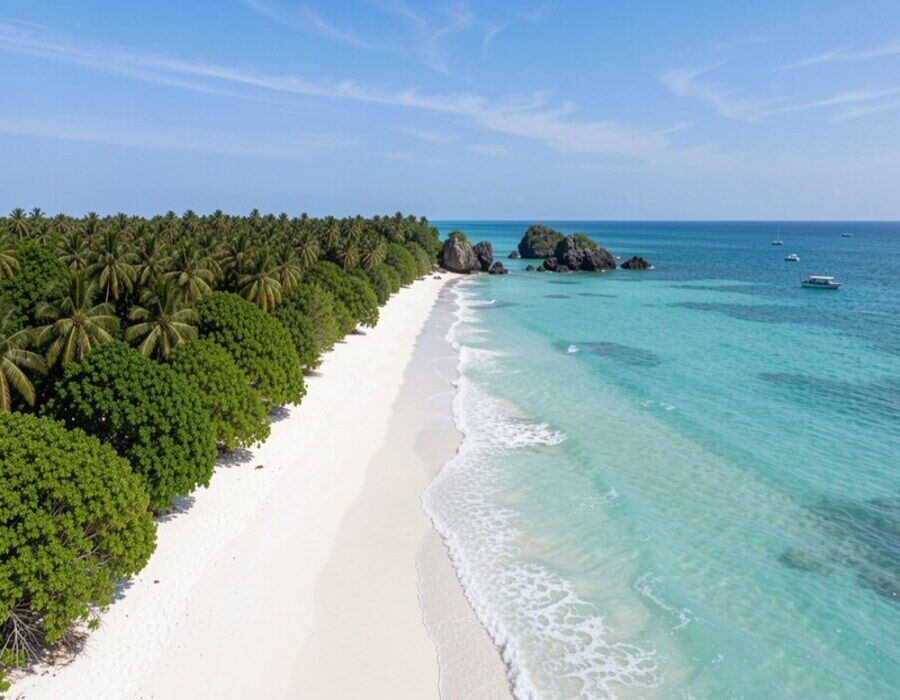
Image generated with Ai
Morocco has firmly established itself alongside Mauritius, Seychelles, Cabo Verde, and The Gambia as one of the top African nations where tourism plays a transformative role in driving economic growth. These countries have leveraged their unique cultural, historical, and natural attractions to create thriving tourism industries that not only boost foreign exchange earnings but also generate significant employment opportunities. Tourism in these nations acts as a powerful engine for economic stability, contributing to the development of local infrastructure, regional economies, and the creation of jobs, ensuring long-term prosperity for their populations.
Tourism plays a pivotal role in the economic growth of Africa, contributing significantly to job creation, income generation, and foreign exchange earnings. As one of the most vital sectors in many African countries, tourism has become a key player in both local and global economies. Globally, tourism’s impact is undeniable. According to projections from the International Monetary Fund (IMF) and the United Nations World Tourism Organization (UNWTO), the tourism sector is expected to generate $11.7 trillion in GDP by 2025, contributing nearly 10% of the world’s total economic output.
In Africa, this sector has proven to be an economic lifeline, especially for nations that heavily depend on the spending of international visitors. The industry not only supports national revenue but also stimulates employment across various sectors, from hospitality to transportation. African nations are uniquely positioned to benefit from tourism, with their vast cultural, natural, and historical heritage drawing millions of international travelers each year.
Among African nations, Seychelles stands out as the most tourism-reliant country. With tourism accounting for 46.6% of its GDP, it ranks 8th globally in terms of its dependence on this sector. The country’s economy is overwhelmingly driven by the influx of international visitors, making tourism the backbone of its economic stability. However, Seychelles is not the only African nation to experience the power of tourism. Several other countries on the continent also rely heavily on this sector to sustain their economies.
Advertisement
Advertisement
Let’s take a closer look at five African nations where tourism holds immense economic significance:
Seychelles: The Tourism Powerhouse
Seychelles, a small island nation in the Indian Ocean, is perhaps the most striking example of a country where tourism reigns supreme. Accounting for 46.6% of its GDP, the tourism sector is the single most important pillar of the nation’s economy. With its idyllic beaches, rich biodiversity, and vibrant culture, Seychelles attracts hundreds of thousands of visitors annually. The island’s tourism revenue fuels government spending, supports local jobs, and keeps the economy afloat. Tourism here is not just an industry; it is a way of life for the Seychellois, whose livelihoods are closely tied to the sector’s performance. As the 8th most tourism-dependent nation globally, Seychelles has cemented its place as a leading example of how tourism can transform a country’s economy.Cabo Verde: A Growing Tourism Hub
The island nation of Cabo Verde, located off the west coast of Africa, is another African country where tourism plays an essential role in the economy. With tourism contributing 23.8% to its GDP, Cabo Verde ranks 14th globally for tourism reliance. The country has developed into a popular destination for Europeans, especially those seeking a sunny retreat in the middle of the Atlantic Ocean. Cabo Verde’s appeal lies in its varied landscapes, from volcanic mountains to pristine beaches, and its rich cultural heritage. Tourism here supports not only the hospitality sector but also industries such as aviation, providing jobs for thousands of locals. As the country continues to grow as a tourist destination, Cabo Verde’s economy is expected to become even more intertwined with the fortunes of the tourism industry.The Gambia: A Tourist’s Paradise in West Africa
The Gambia, often referred to as “The Smiling Coast of Africa,” is a small country that relies heavily on tourism. With tourism accounting for 19.0% of its GDP, The Gambia ranks 21st globally in terms of tourism dependence. Located on the banks of the Gambia River, the country is known for its diverse wildlife, vibrant culture, and welcoming atmosphere. The Gambia’s tourism sector supports a wide range of small businesses, from tour operators to craft vendors, and provides essential income to local communities. The peak tourist season, from November to April, brings a surge of international visitors, many from Europe. This seasonal influx of tourism income helps stabilize the Gambia’s economy, even in times of global economic uncertainty.Mauritius: A Fusion of Natural Beauty and Economic Stability
Mauritius, a renowned island destination in the Indian Ocean, has successfully diversified its economy, yet tourism remains a significant contributor to its GDP. Accounting for 15.4% of the country’s economic output, Mauritius ranks 26th globally in tourism reliance. The island’s scenic beauty, luxury resorts, and warm tropical climate make it a year-round destination for tourists from around the world. In addition to its traditional sun, sea, and sand appeal, Mauritius also offers a unique blend of cultural experiences that attract travelers. The tourism sector supports a variety of industries, including hospitality, transportation, and retail, and continues to be a key driver of employment and foreign exchange earnings.Morocco: A Cultural and Economic Hub in North Africa
In North Africa, Morocco is a country where tourism plays a critical role in economic development. Contributing 8.3% to the GDP, Morocco ranks 45th globally in tourism dependence. The country’s rich history, stunning architecture, and diverse landscapes attract millions of visitors every year. From the ancient medinas of Marrakech to the Sahara Desert, Morocco’s tourism sector draws travelers seeking both cultural experiences and adventure. Tourism in Morocco supports a wide range of jobs, from artisans in the souks to guides in the desert, and contributes significantly to the country’s foreign exchange reserves. As Morocco continues to invest in its tourism infrastructure, the sector is poised to grow and further bolster the national economy.
Morocco, along with Mauritius, Seychelles, Cabo Verde, and The Gambia, stands out as a key African nation where tourism fuels significant economic growth, job creation, and long-term prosperity. Their tourism-driven economies are central to regional development and national stability.
Advertisement
Advertisement
In conclusion, tourism is undeniably a powerful economic driver in many African countries. From small island nations like Seychelles to the cultural hubs of Morocco and Mauritius, the tourism sector provides jobs, stimulates income generation, and enhances economic resilience. As the global tourism market continues to expand, African countries with strong tourism industries stand to benefit, ensuring that this sector remains a cornerstone of economic development across the continent. The key for many nations will be to continue developing sustainable tourism models that protect their natural and cultural assets while maximizing the economic benefits for their populations.
Advertisement
Advertisement
Advertisement
