
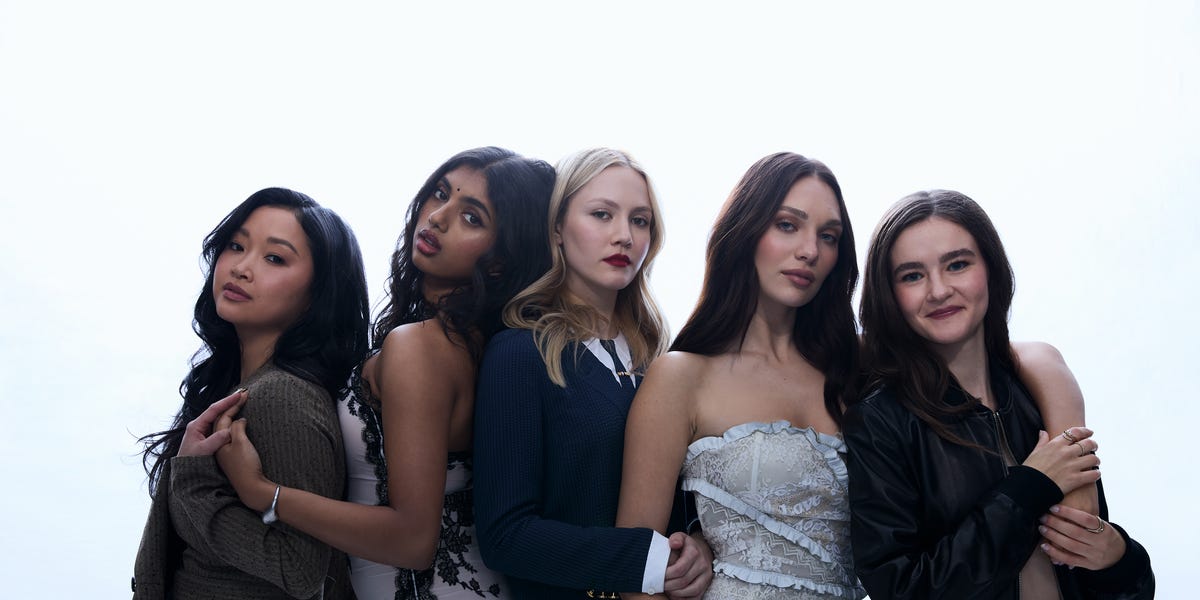
At first glance, Pretty Lethal is exactly the kind of pitch that would make me greenlight a movie on the spot: ballerinas, a remote inn in Budapest, and a revenge-driven criminal matriarch played by Uma Thurman. Add in a cast featuring Avantika, Iris Apatow, Lana Condor, Millicent Simmonds, and Maddie Ziegler, and it’s even more thrilling.
Premiering as a headliner at SXSW, director Vicky Jewson’s action thriller—written by Kate Freund and arriving March 25 via Amazon MGM Studios—puts a darkly comedic spin on the genre. When a group of young ballerinas’ trip to Hungary goes sideways, they take refuge at a secluded inn run by Devora (Thurman), a former dancer with a haunting past. Soon, it becomes clear they’ve stumbled into something far more dangerous than a missed performance.
When (SPOILER!) one of their own is killed, the dancers must rely on the only weapons they have: discipline, endurance, and each other.
What sets the film apart is its understanding of dancers as athletes. Beneath the grace is grit—blistered feet, bruised bodies, relentless training. It leans into that duality, delivering a stylish blend of John Wick spirit and Kill Bill flair, anchored by a story of teamwork.
Offscreen, that bond was real. The stars of the movie sat down with Cosmopolitan to talk about wearing pointe shoes, fighting off homesickness, and whether they’d want to do a sequel.
When you first heard “ballerinas + action thriller + remote inn in Budapest,” what was your immediate reaction?
Iris Apatow: I was like, “I’m in.” I felt very excited by the concept.
Millicent Simmonds: I felt like I had to be part of it right away. It sounded hard as hell.
Did any of you get the script with names already attached?
Lana Condor: This was a script Iris and I were attached to for years and years.
Iris Apatow: And years and years and years…
Maddie Ziegler: By the time I got the script, Millie was also attached. Then me and Avantika came on literally two months before we started filming.
What did Vicky say her vision for this script was?
Maddie Ziegler: Because the tone is so heightened and camp, she wanted it to feel grounded and real. It’s not realistic if we’re punching a guy in a fight sequence and he just falls to the ground, because we’ve never been in that scenario before.
Iris Apatow: Didn’t Vicky describe it like putting your hand in a box of feral cats? One cat couldn’t kill you—it would just scratch you—but together, they could take you down.
Lana Condor: She said early on that she really wanted to show that ballerinas’ grace comes from their absolute toughness. You see them dancing onstage and they’re so graceful and beautiful—
Maddie Ziegler: Meanwhile, their feet are bloody.
What was the most physically demanding part of the film?
Millicent Simmonds: The hardest part was wearing pointe shoes. Honestly, the pain of that every day was a lot.
Iris Apatow: The crew would want to do a lot of takes: “Oh, the hardest turn? Yeah, can you go again?” Which makes sense for a normal film. But most people on set weren’t ballerinas, so they didn’t know how painful it was. It was physically demanding in a way I don’t think anyone on that set fully understood.
Avantika: It was very much death by a thousand cuts. Any dancer can speak to this—you prep, prep, prep, and then you go out and put everything into a minute-and-a-half or two-minute piece, and then you’re done. You relax for the rest of the day, or you’re knocked out for a week. On set, you’re not afforded that kind of grace.
How did everyone’s dance backgrounds affect how you approached your fight sequences?
Avantika: For me, it’s a muscle that hadn’t been stretched in a while. I grew up as a dancer, but I hadn’t done it in such an intense way for almost four or five years. So getting back into dancing was one thing, but fighting like a dancer is also very different.
Maddie Ziegler: It was an extremely cathartic and emotional experience for me. I hadn’t been professionally dancing for maybe three or four years—I hadn’t performed in about four years. Doing this made me fall in love with dance all over again. It was very healing. But I also felt humbled. I was like, “Okay, people know me as a dancer, and it’s a huge part of my life. It is my life.” So I felt a lot of expectation to uphold that. Once I got into the fighting aspect—don’t get me wrong, it was really hard—I felt very in my element. Like, this is where I’m supposed to be. Whenever I’m not dancing, I feel like something’s missing. So this felt really cool.
Avantika: Maddie was so in her element. She had these reactions to punches that were almost harder to fake than throwing the actual punches.
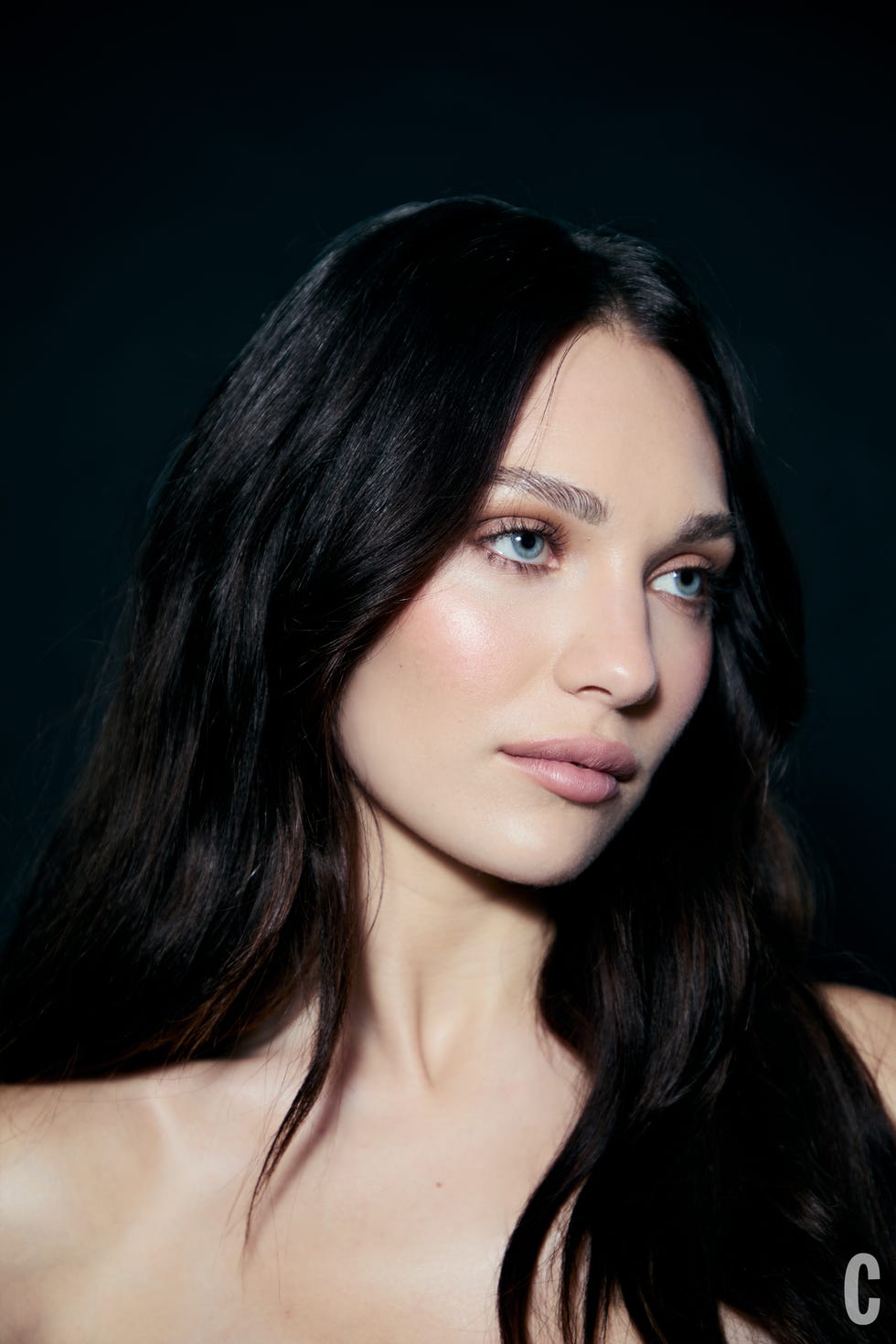
These scenes require a lot of trust. Was there a moment during filming when any of you felt like, Okay, this clicks; the trust is here?
Millicent Simmonds: I think connecting dance to music in that way was a real challenge for me—something I’d never done in my career. Honestly, I mostly just copied the other girls because they were already so good, and it was really fun for me.
I loved how your disability was so thoughtfully incorporated into the script. There’s a moment where your ballet teacher says, “Get out of your head. Trust your sister.” She tells you to stop listening for the music and just trust that she’ll cue you in.
Millicent Simmonds: Exactly. And that’s what it was like on set. I could always go to one of the other girls if I needed help. I’m always going to appreciate that.
Was there a scene where any of you thought, Okay, this is actually intense? Was there one moment that stood out?
Maddie Ziegler: The bar fight. That was our big sequence where we’re fighting everyone, and that took two weeks. Every day was a lot. But it really made us realize how much we were relying on each other—trusting each other and putting in the work. It was hard but extremely rewarding in the end. Watching it back, it’s so fun. In that fight, everyone has their moment.
Iris Apatow: There are so many moments where you think, Okay, it’s ballerinas killing people while dancing—how do you make that look fun and not weird? I was always so impressed by how they pulled it off.
You all worked with Uma Thurman, an A-plus, iconic action star. Did she give you any pointers on how to push through on doing stunts?
Iris Apatow: When she first came on set, I don’t know about everyone else, but I was terrified. But once we got to know her, her kindness to us was the greatest gift. You’re always afraid to meet people you look up to and hope to have a career like. She was just so kind.
Millicent Simmonds: You’re not the only one who felt scared. I could tell she brought her work ethic 100 percent every day. She showed up on the first day ready with her Hungarian accent, and being with a crew who could verify it showed how focused she was on getting everything perfect. I definitely respect that, and it’s the kind of energy I want to bring to my career moving forward. Kill Bill was definitely in the back of our minds, and that energy was something we were all drawing from.
Avantika: I want to be just like her.
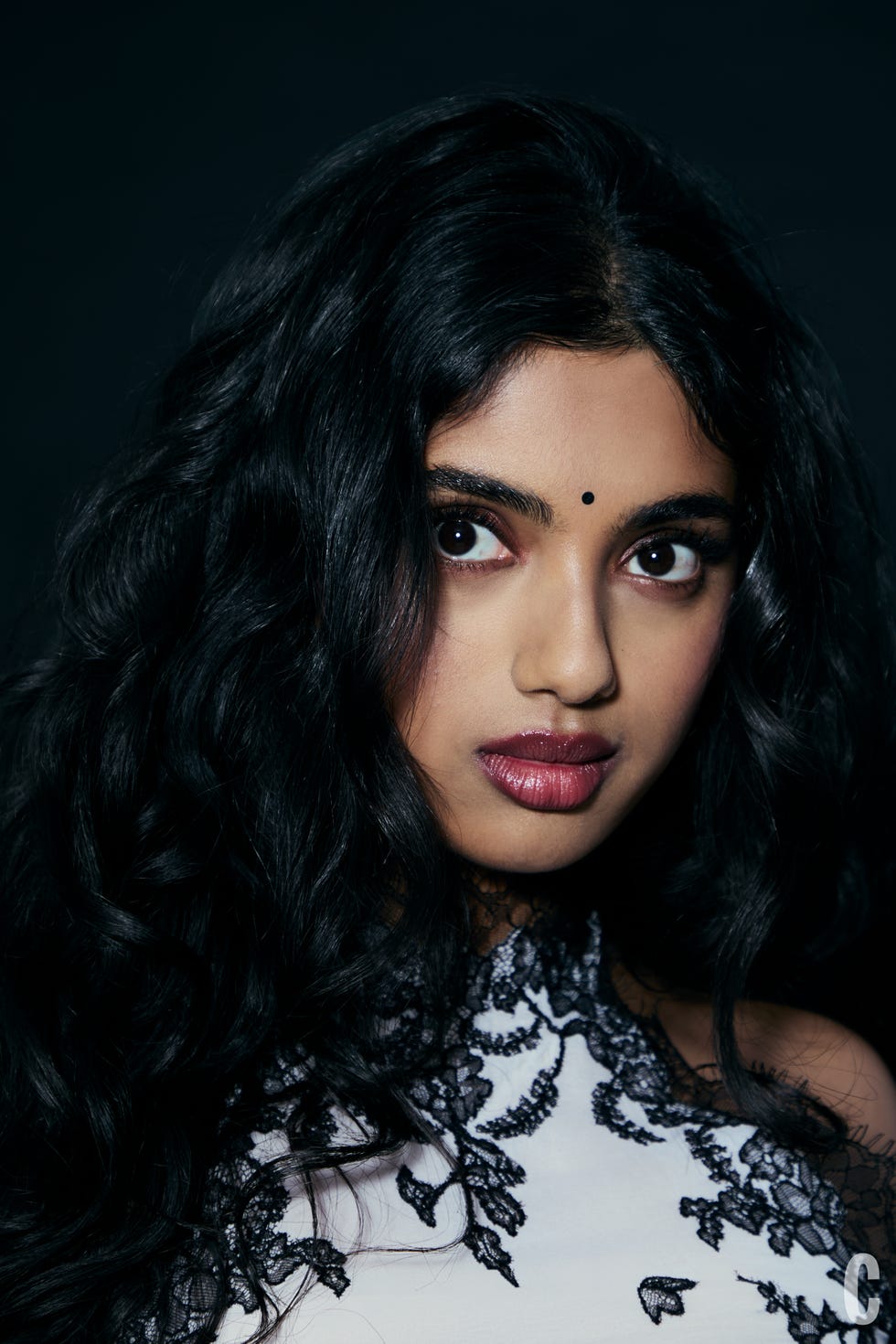
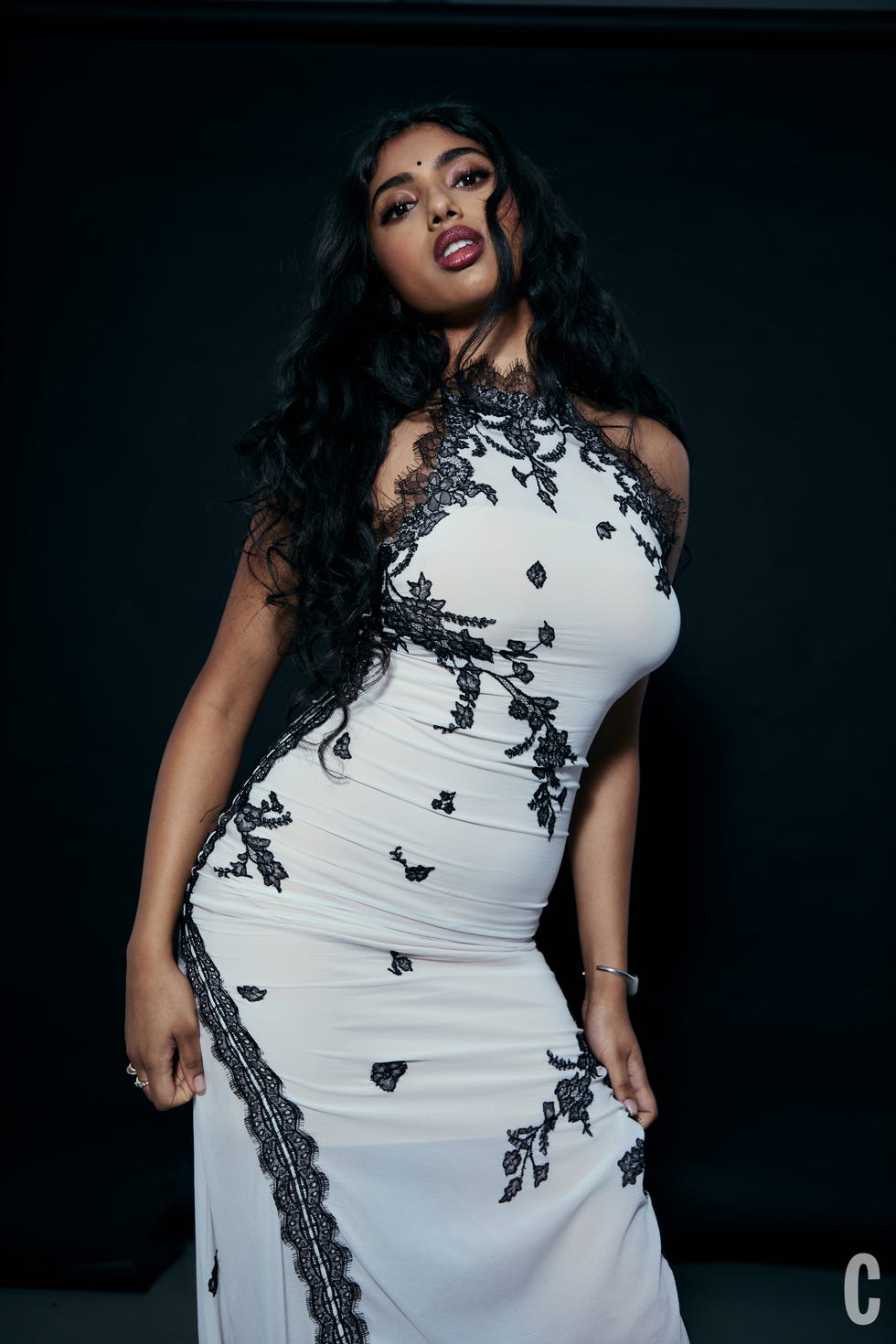
What was it like shooting a film about being trapped in Budapest while actually being there?
Lana Condor: My husband came to visit and made a care package for everyone with American Advil, tampons, and a massage gun. He brought things from home to make us feel taken care of.
Iris Apatow: We had our planned times where we’d go out or have little parties. But we were very tame. Avantika and I liked to get the girls together the most.
Avantika: Every day was a battle with Maddie and Lana. Millie was a good sport, but Maddie and Lana were always like, “It’s bedtime” or “We’re going to the sauna.”
Lana Condor: I was just so tired. My life was like, if I don’t have to be vertical, I’m horizontal. You have to pay me to rise.
Maddie Ziegler: Lana and I would text each other, “I’m staying in. Are you staying in?”
Lana Condor: “Okay, let’s both stay in.”
All of you have really passionate fan bases. What do you think their receptions to this film will be?
Lana Condor: I’ve noticed that my fans are typically girl’s girls.They love crafting and girls’ nights. They’re going to love this film because they’ll be drawn to the five of us inevitably bonding to keep each other safe. I’m realizing now that I’m only getting cast in incredibly bitchy roles. I think I’m a nice person, but I’m like…does casting see something different?
Iris Apatow: Any chance for young women to see little pieces of themselves in characters in movies or TV is helpful in some way. Each of the girls has different flaws and unique characteristics, and I think that will connect with—and hopefully empower—young women.
Millicent Simmonds: I think it’s rare to see this many women in such a specific genre of action films. I hope it encourages more movies like this, where women are not just there as the pretty person who meets the male action star.
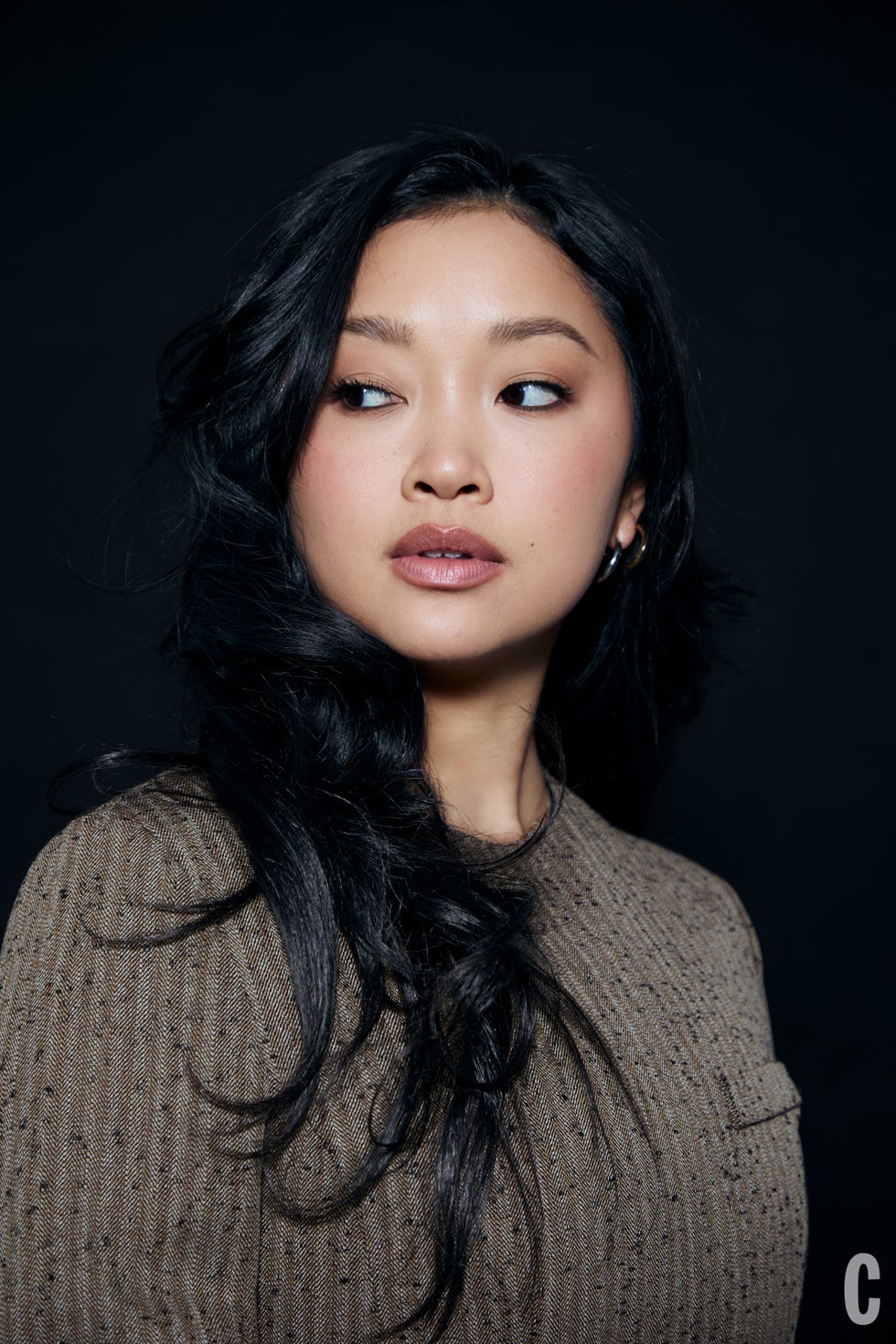
Does being aware of your fandoms and public perception change how you approach a role?
Maddie Ziegler: I don’t think it can. It would stop you from actually doing your job fully.
Avantika: I do think about it a little. Most of our audiences are women, so picking projects that feel like they’re part of teams who care about women and about taking care of female characters matters.
How do you balance the gratitude for that kind of support from fans with the pressure it can create to deliver?
Lana Condor: Our fans are growing and maturing, too. The things they loved 10 years ago might not be the things they love now. I trust them a lot. I haven’t done anything like this before, but the fans I gained when we were all so young, we’re older now together.
What was the group dynamic like? Did you hang out before you started filming?
Millicent Simmonds: Onscreen, it’s clear that we don’t get along. But I didn’t feel that in real life with this group of girls, because the connection was instant. I remember the first time we all met at the hotel—it was already full of love and welcoming.
Maddie Ziegler: We got thrown into three weeks of what we called boot camp, because we were basically doing ballet in the morning and stunt training every day for three weeks.
Avantika: Budapest is very different from New York or L.A., where we’re used to working. You’d wake up in Budapest and be led into the third floor of a warehouse.
Lana Condor: I remember our first costume fittings, when we were trying all these different leotards. Doing that with strangers makes you feel very vulnerable because you’re essentially naked. You almost become instantly closer.
Millicent Simmonds: Yeah. It was like, “I guess we’re family.”
Iris Apatow: And then we immediately jumped into 10- or 11-hour days of ballet and training. At least for me, I’m not as in shape as a lot of people here, so I’d be like, “Guys, please turn the AC on.”
Lana Condor: We’d be like, “Iris, we’re going to get cold—we’re going to pull a muscle.” So they’d bring out the biggest fan ever, like a Beyoncé-level fan. It was so loud.
Was it difficult for you to flip back and forth between the offscreen camaraderie and onscreen tension?
Avantika: There’s a layer of love between the girls in the movie that I think you can sense offscreen. And because that was always a through line for the movie, it was very easy to access because we had it in spades in real life.
If your characters were in a group chat, what do you think the vibe would be?
Lana Condor: Really bad.
Iris Apatow: Lana’s character, Princess, would never respond to us.
Lana Condor: Yeah, Princess would totally leave the chat. Or partake in constant harassment: “I hate you. I hate you.”
Iris Apatow: I feel like Xoe and Chloe—my and Millie’s characters—would for sure have another chat going.
Millicent Simmonds: Oh, no doubt. Being like, “What are these crazy girls talking about?”
Avantika: I think my character, Grace, is the person in the group chat where the plans have already been made and there’s always that one bitch who’s like, “Wait, what time are we meeting again?” Grace would totally be like, “Just scroll up! Just read the fucking chat!
Who would survive the longest if this was real?
Lana Condor: Maddie.
Maddie Ziegler: Really?
Iris Apatow: I don’t know. I think Millie…
Maddie Ziegler: Yeah, I think Millie, too.
Millicent Simmonds: Maybe both of us then. We’ll work well together. Combine our resources. Who would be out first though?
Iris Apatow: I’d be like, “Just take me, I surrender.”
If the five of you were able to do any other genre together, what would it be?
Avantika: Can I say something like Sex and the City? Like Oceans but Sex and the City.
Lana Condor: I was thinking of a period piece!
Is there anything that you all will always associate with this project?
Iris Apatow: Is it cliché to say ballet? Because I’m not going to become a ballerina. But I do have my ballet shoes hanging by my door.
Avantika: I do, too! I hung them above my bed, and then my friend was like, “That’s bad feng shui.”
Millicent Simmonds: Dance itself will always remind me of this, and it’s changed my mindset about what dance is. And I’ve made so many great friendships with all of you, too.
If this film were about one thing beyond survival, what would you say?
Lana Condor: How you can put a group of completely different people together and they can work well together. Going into a film led by five young women who are all in the same peer group in this industry can be very hit or miss.
Maddie Ziegler: And people fully expected that to be the case when we all got there! They were like, “They’re going to hate each other.”
Lana Condor: I forget who it was, but someone came up to us and said, “We’re so shocked.” I was like, “What are you talking about?” And they said they had prepared in pre-production for how to work with girls who can’t work together. I remember feeling scared to be so far away from my family, surrounded by people I didn’t know yet. I didn’t know if they were going to have my back.
Iris Apatow: This cast just melted into each other.
Avantika: We want a sequel, so we can hang out for another three months.