
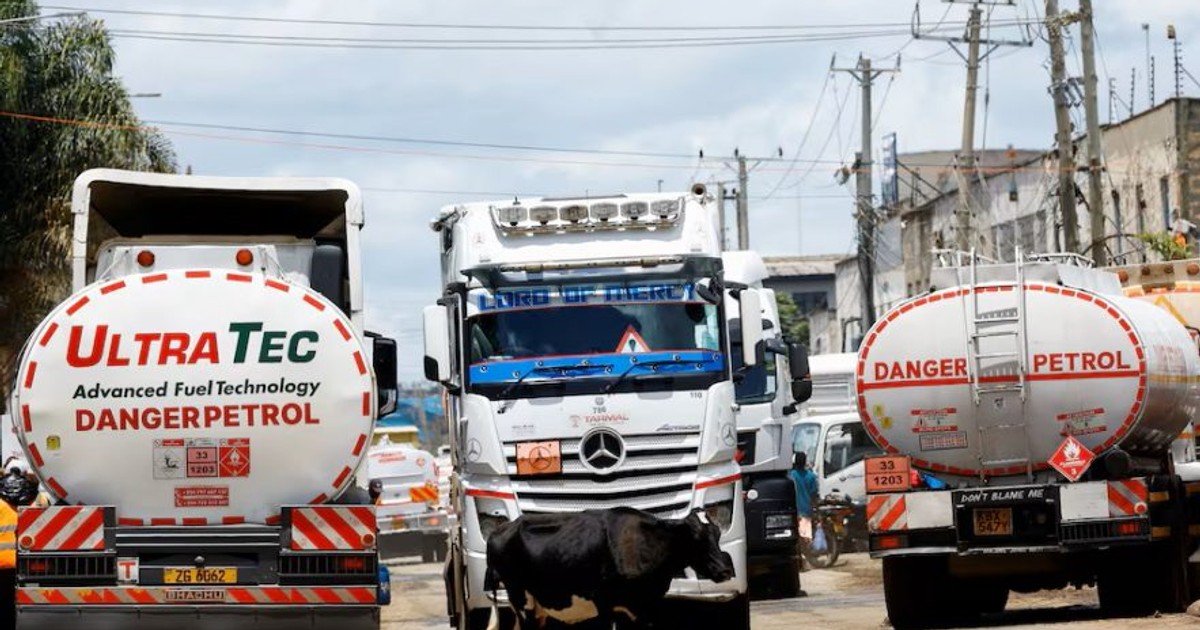
Kenya’s independent fuel retailers are reporting shortages at hundreds of outlets due to the ongoing war in Iran, with roughly 20% of stations affected, Martin Chomba, chairman of the Petroleum Outlets Association of Kenya (POAK).
The shortages follow the Energy and Petroleum Regulatory Authority’s (EPRA) decision to freeze pump prices despite rising global oil costs, Reuters reported.
Chomba warned that dealers may begin hoarding fuel in anticipation of price hikes next month. “So far about 20 per cent of some 3,100 retailers are affected… in two weeks it could become a total crisis if tensions in the Middle East continue,” he said.
The Israel-Iran conflict, which began on February 28, has disrupted roughly 20% of global oil and liquefied natural gas shipments through the Strait of Hormuz, with Kenya relying entirely on government-to-government imports from Gulf producers and refiners.
The POAK chairman urged authorities to allow fuel marketers to buy from private suppliers as a backup, saying, “The real shock is on the way.” EPRA Director General Daniel Kiptoo Bargoria responded that Kenya currently has “sufficient stocks” and said a formal statement would follow.
Panic buying and hoarding, especially by fuel marketers anticipating a price jump, had driven up demand over the past two weeks, further straining supplies.
The impact of the war is being felt globally, with African nations among the hardest hit. East and Southern Africa are particularly vulnerable, importing roughly 75% of their refined fuel from the Middle East.
In South Africa, the National Treasury warned it has limited capacity to shield consumers from rising prices, as crude oil costs have surged more than 40%, topping $100 per barrel.
Disruptions in shipping and production are also rippling across the continent. Meanwhile, Ethiopia has urged citizens to reduce fuel consumption amid the tightening supply.