
Metabolism isn’t a magic switch you can flip overnight. But your daily habits absolutely influence how efficiently your metabolism runs, and a few key habits can truly move the needle in the right direction.
Your metabolism is the process by which your body turns the food and drinks you consume into energy for all of the necessary functions it performs, from breathing and movement to circulation, digestion and more.
Some people have faster metabolisms, measured as basal metabolic rate, meaning they burn a lot of calories when their bodies are at rest. People with slower basal metabolic rates will require fewer calories throughout the day.
A healthy metabolism relies on balanced meals with nutrient dense foods, an active lifestyle, sleeping well and staying hydrated. If you’re looking for ways to dial in on your metabolic health, here are a few places to start.
Tips to Improve Metabolic HealthEat Protein Throughout the Day
Protein is the MVP of metabolism. Your body burns more calories digesting protein than it does carbs or fat. If you eat 100 calories of protein, your body may burn 20–30 calories digesting it; for carbohydrates, it’s about 5–10 calories, and for fat, it’s 0–3 calories.
Protein also helps protect lean muscle, which is crucial because muscle tissue burns more calories than fat, even when you’re resting on the couch.
Instead of loading all your protein at dinner, spread it out across the day and aim for about 20–30 grams per meal.
Don’t Under-Eat
One of the biggest mistakes people make is cutting calories too drastically when trying to lose weight. When your body senses a severe calorie shortage, it shifts into energy-conservation mode. Your metabolism slows, fatigue increases, and you may even lose muscle.
The smarter approach is balanced meals that include protein, fiber-rich carbs and healthy fats — every day, all day. That combination helps keep blood sugar steady and signals to your body that it’s safe to keep burning energy efficiently.
Build and Protect Muscle With Strength Training
If there’s one habit that supports metabolism long-term, it’s building and maintaining muscle. Muscle is metabolically active, meaning it burns calories, even when you’re resting.
The challenge is that we naturally lose muscle as we age, unless we actively work to keep it. So, the goal is to participate in strength training two to three times per week. And it doesn’t have to be complicated. You can do squats, lunges, push-ups, resistance bands and light dumbbells.
And daily movement outside of workouts plays a big role in metabolism, especially what scientists call NEAT: non-exercise activity thermogenesis. NEAT is all the calories you burn from everyday movement like walking, cleaning, standing and taking the stairs.
Even small gains in muscle can help increase your resting metabolic rate over time. I like to tell people that strength training is like putting money into your metabolic savings account.
Metabolism-Supporting Foods
No single food will dramatically boost metabolism, but these four ingredients can give it a small assist. I like to think of these foods as tiny metabolic nudges — not miracle cures.
Spicy Foods
Chili peppers contain capsaicin, the compound that gives them their heat. Research suggests capsaicin may slightly increase calorie burning and fat oxidation. One meta-analysis found capsaicin increased daily energy expenditure by about 70 calories per day in some individuals. Small, but it adds up.
Green Tea
Green tea contains catechins and a small amount of caffeine, which together may support energy expenditure. Research suggests this combination can increase daily calorie burn by about 4–5% and may help the body use more fat for fuel.
Coffee
Caffeine can temporarily stimulate metabolism and may also enhance exercise performance, helping you push a little harder during workouts (which subsequently burns more calories and builds more muscle).
Fiber-Rich Foods
Beans, lentils, whole grains, vegetables and fruit take more work to digest and help keep blood sugar stable. That steady energy supports a metabolism that runs smoothly throughout the day.
Sample Day of Eating for a Healthy Metabolism
Here’s a sample day of eating to support your metabolic health. These meals include 20-30 grams of protein per meal, and also prioritize fiber to keep blood sugar stable and adequate calories.
Breakfast: Greek Yogurt Parfait
1 cup Greek yogurt: 17 grams protein
1 cup berries: 3-8 grams fiber
Lunch: Salad With Chicken, Beans and Cheese
1 cup chopped chicken breast: 43 grams protein
2 cups leafy greens: 1.5-3 grams protein
1/2 cup beans: 7-8 grams protein; 6-9.5 grams fiber
1/4 cup shredded cheese: 6 grams protein
Snack Options:
1/2 cup cottage cheese, 1 cup fruit: 12 grams protein, 2-4 grams fiber
1 cup edamame: 17 grams protein; 8 grams fiber
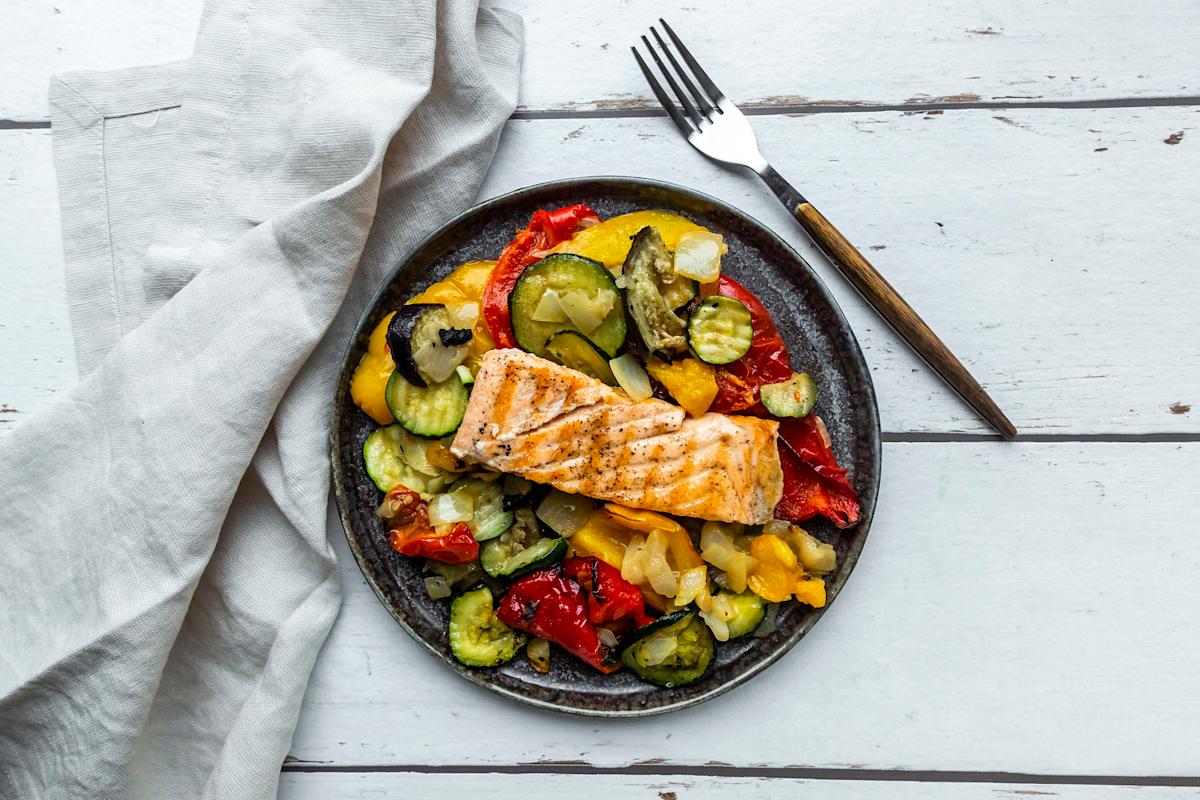
Dinner: Salmon With Roasted Vegetables
5-6 ounces salmon: 37 grams protein
2 cups veggies: 10 grams fiber, 6 grams protein
Bottom Line
Feed your muscles, move your body, and your metabolism will respond in a positive way. The real drivers of metabolism are still the big habits: protein, muscle mass, movement, sleep, balanced eating. And when those are in place, your metabolism is much more likely to work for you, not against you.
For Joy Bauer’s protein-rich recipes, visit joybauer.com and follow Joy on Instagram, Facebook, TikTok and Pinterest.
This article was originally published on TODAY.com