


Credit: mrs / Getty Images
Beans are a strong plant-based protein source, but many other canned foods can also help meet protein needs.
Canned foods like tuna, salmon, sardines, chicken, mussels, and crab provide high protein along with important nutrients.
Canned proteins can be a healthy and affordable choice if you select low-sodium options or rinse before eating.
Canned beans can help you reach your protein goals while also contributing important nutrients like fiber and folate. However, if you are looking to increase your protein intake, you may not enjoy beans or may simply be tired of this pantry staple. Fortunately, there are plenty of other high-protein canned foods to choose from.
1. Canned Tuna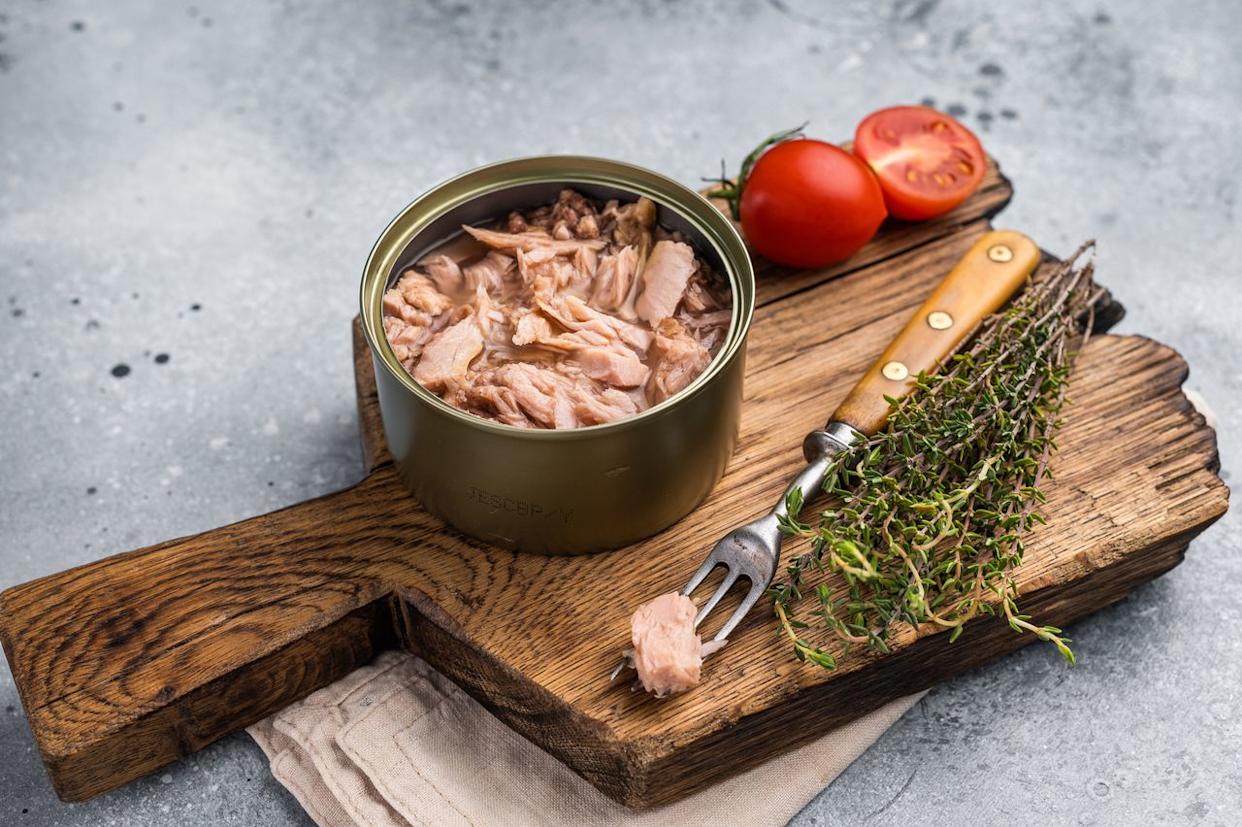
Credit: Vladimir Mironov / Getty Images
Protein: 20.1 grams per 3-ounce serving
Canned tuna is shelf-stable and more affordable than fresh fish, and it’s packed with protein. Tuna is high in essential nutrients such as anti-inflammatory omega-3 fats, vitamin B12, and selenium.
You can make your tuna salad even higher in protein by subbing in Greek yogurt for mayo, which adds 12.5 grams of protein per half-cup serving.
2. Canned Salmon
Credit: intek1 / Getty Images
Protein: 19.6 grams per 3-ounce serving
A 3-ounce serving of canned salmon is an excellent choice for those who want an easy source of protein to add to meals and snacks. It is packed with omega-3s, potassium, and the protective antioxidant astaxanthin, so it’s a nutrient-dense protein choice that supports overall health.
Salmon can be made into delicious meals and snacks, like salmon burgers and salmon salad. You can also enjoy it as a simple, high-protein bite on cucumber rounds or crackers.
3. Canned Sardines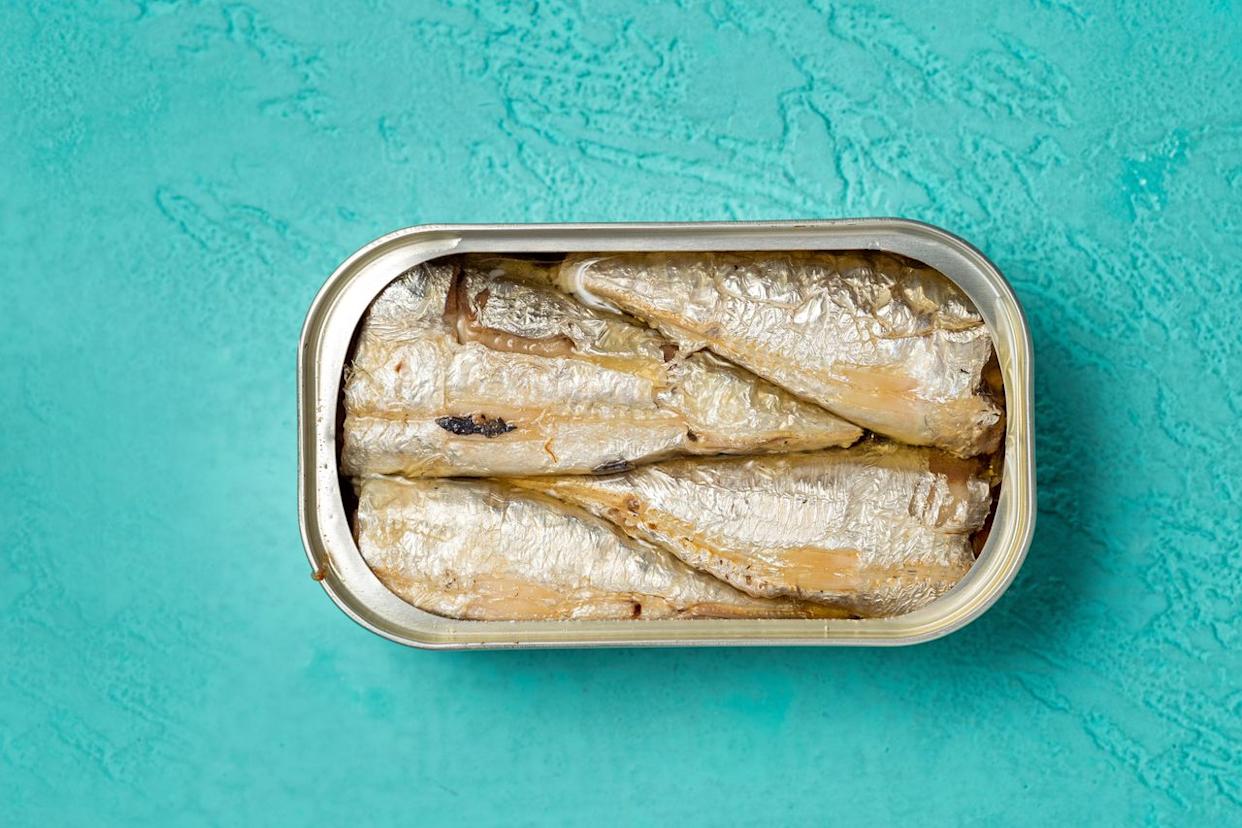
Credit: Carlo A / Getty Images
Protein: 20.9 per 3-ounce serving
Sardines are a shelf-stable seafood product that’s packed with protein. A 3-ounce can of sardines also provides high levels of several essential vitamins and minerals, like vitamin E, iron, B12, and calcium.
Sardines are one of the best sources of omega-3s you can eat, and may even help reduce your need for omega-3 supplements. You can enjoy them on crackers or salads, and they can also be added to dishes like soups, pasta, and even pizza for an easy protein boost.
4. Canned Chicken Breast
Credit: Olga Yastremska / Getty Images
Protein: 21.5 grams per 3-ounce serving
If you’re not a fan of seafood, canned chicken is a protein-packed and convenient alternative. In addition to protein, chicken is high in B vitamins and minerals like zinc and selenium. Plus, canned chicken is shelf-stable and usually more affordable than fresh or rotisserie chicken, making it an excellent option for those on a budget.
Use canned chicken on sandwiches and wraps, and as a high-protein topper for salads.
5. Canned Mussels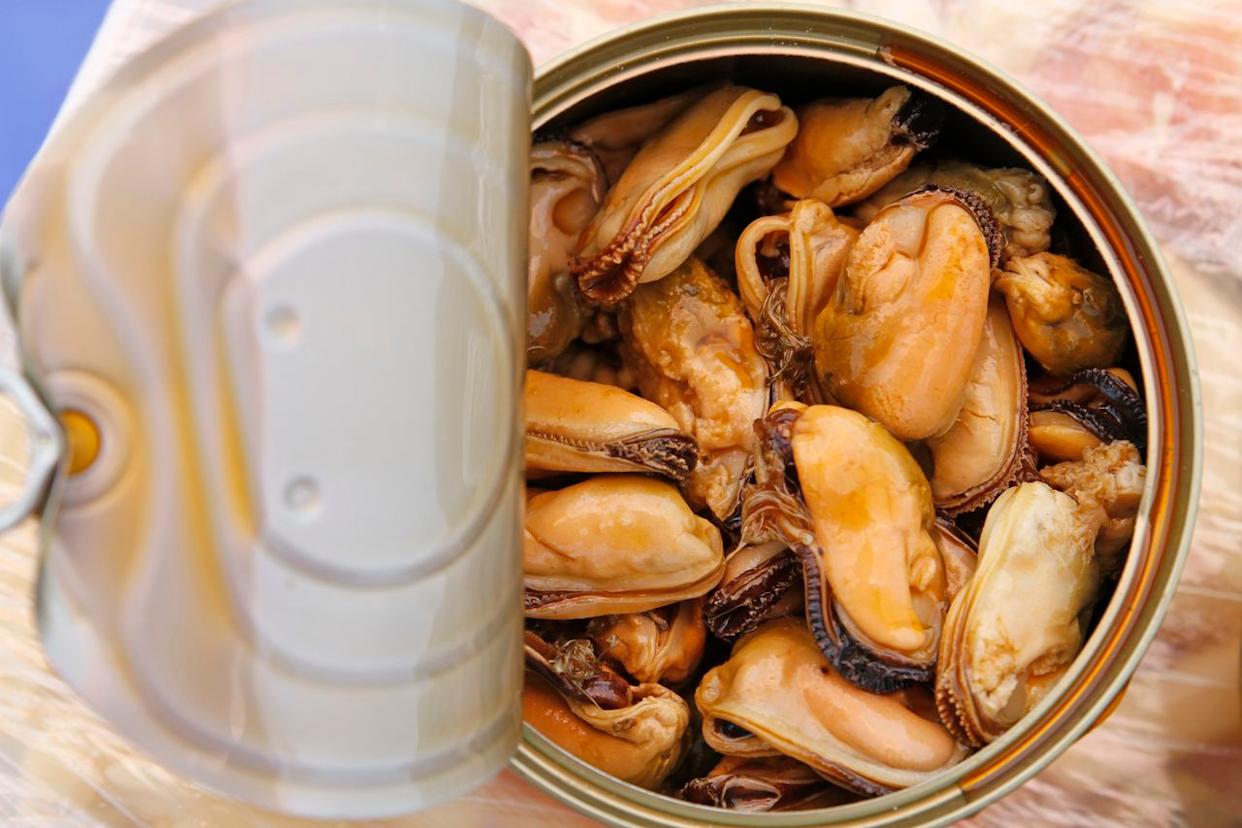
Credit: Isabel Pavia / Getty Images
Protein: 10 grams per 3-ounce serving
Though less popular than options like canned tuna, canned mussels are a quick and nutritious way to help meet your protein goals. Mussels are also rich in micronutrients, such as iron, zinc, and vitamin B12, which support overall health.
Add canned mussels to pasta dishes, grain bowls, and soups, or enjoy them on crackers.
6. Canned Crab
Credit: PicturePartners / Getty Images
Protein: 15 grams per 3-ounce serving
Canned crab is another shelf-stable protein option for seafood lovers. It’s also rich in vitamins and minerals, including selenium, copper, and zinc, which play crucial roles in your immune health.
Canned crab can be used to make delicious seafood salads, crab cakes, and crab burgers, and also in soups and pastas.
Are Canned Proteins Healthy?
Canned proteins often get a bad reputation because they can be high in sodium, and some types, such as certain canned meats, are highly processed.
However, if you know what to look for, canned proteins can absolutely fit into a healthy diet. Many are available in no-salt-added versions, which can help reduce sodium intake. If low-sodium options aren’t available, you can also rinse your canned proteins to significantly reduce their salt content.
If you’re watching calories, opting for varieties packed in water rather than oil can also significantly lower their fat and calorie content.
Overall, canned proteins are a convenient and cost-effective way to increase your protein intake, especially when fresh options aren’t available or within your budget.
Read the original article on Health