
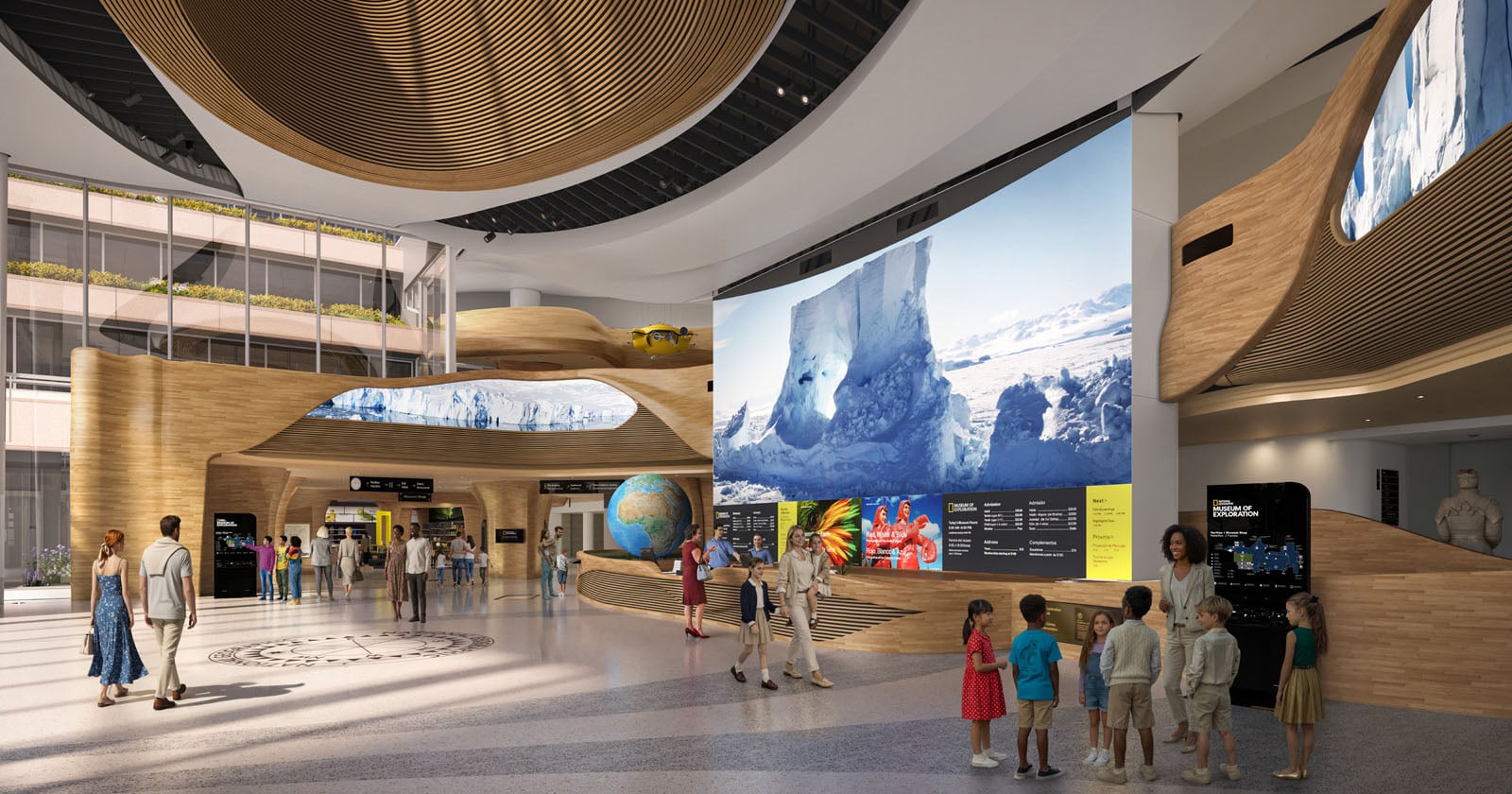
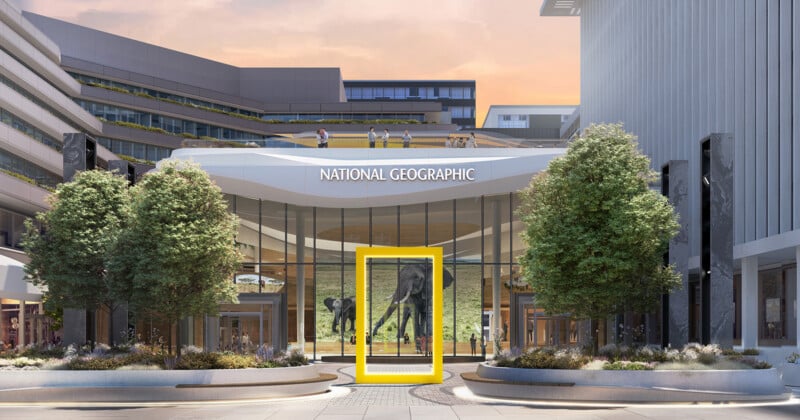
The National Geographic Museum of Exploration officially opens June 26 in Washington, D.C., inviting visitors to experience the power of photography, storytelling, and human curiosity. The museum features exhibitions that celebrate exploration, scientific discovery, and visual storytelling, with photography at its heart.
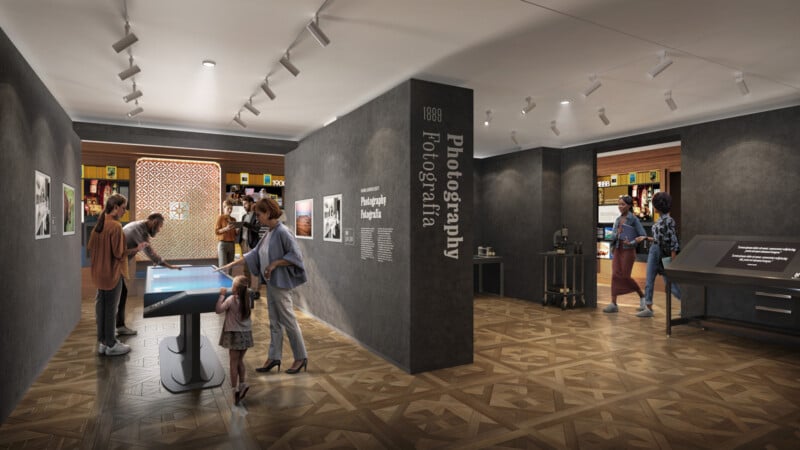 Artist’s rendering of the Archives at the Museum of Exploration, opening in 2026. Courtesy of the National Geographic Society
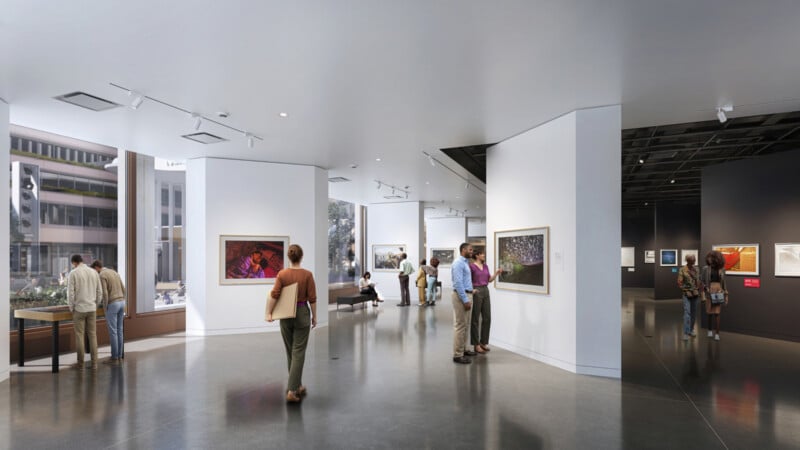 Artist’s rendering of the Photo Gallery at the Museum of Exploration, opening in 2026. Courtesy of the National Geographic Society
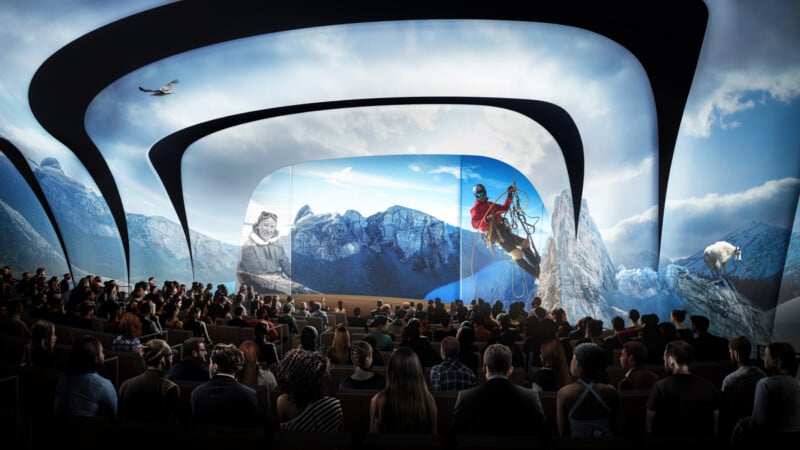 Artist’s rendering of Grosvenor Auditorium in the Museum of Exploration, opening in 2026. Courtesy of the National Geographic Society Highlighting the Role of Photography
Photography has long been a cornerstone of National Geographic’s work, and the museum emphasizes this through several permanent exhibitions. The In Focus Photography Gallery presents some of the most celebrated images captured by National Geographic photographers. Visitors can experience powerful stories of people, places, and the natural world through a photographic lens, demonstrating the ability of images to inform, inspire, and connect audiences across generations.
The Magazine Gallery, located on the first floor, provides an interactive look at the publication’s history from its first issue in 1888 to the present. Visitors can navigate a digital installation of magazine covers and learn about the evolution of visual storytelling within the pages of National Geographic. Highlights include the first nature photograph published in 1890 and notable contributions from figures such as President Theodore Roosevelt.
 Artist’s rendering of the Jean and Steve Case Magazine Gallery in the Museum of Exploration, opening in 2026. Courtesy of the National Geographic Society
 Artist’s rendering of the terrace at the Museum of Exploration, opening in 2026. Courtesy of the National Geographic Society
 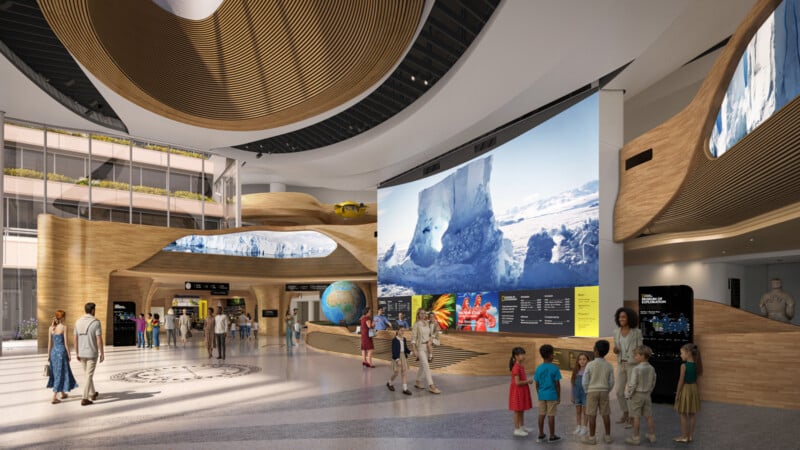 Artist’s rendering of the interior of the pavilion at the Museum of Exploration, opening in 2026. Courtesy of the National Geographic Society Exploring the Legacy of Discovery
The museum’s Archives, supported by the Lilly Endowment Inc., offer a deeper look into National Geographic’s legacy. Traditional displays and innovative media combine to showcase artifacts, images, and interactive experiences that celebrate decades of exploration. The Archives illustrate how storytelling has been used to inspire wonder and understanding of the world, highlighting the human desire to ask questions and seek answers.
On the second floor, the Rolex Explorers Landing exhibition captures the spirit of exploration through four thematic areas: Spark, Trek, Purpose, and Impact. The exhibition follows the journey of National Geographic Explorers from the initial spark of curiosity to the lasting contributions they make in the world. Through storytelling, interactive experiences, and personal accounts, the exhibit emphasizes that exploration is a lifelong pursuit that connects people across cultures and disciplines.
 Photo Ark: ANIMALS OF EARTH by Joel Sartore, Exhibit Rendering. Courtesy of the National Geographic Society Photography as a Tool for Connection and Change
Throughout the museum, photography is presented not only as a method of documentation but as a way to engage audiences and explore complex issues. From Joel Sartore’s Photo Ark animal portraits to historic magazine covers, images highlight stories of environmental conservation, cultural exploration, and scientific discovery. The exhibits demonstrate how photographs can shape understanding, provoke reflection, and connect viewers to places and experiences they might never encounter firsthand.
Visitors can move from the magazine’s history to the personal journeys of explorers and from celebrated photographs to interactive installations. Across the galleries, the museum underscores the enduring role of photography and storytelling in exploring and interpreting the world around us.
For more information, including tickets and hours, see the museum’s official website.
Image credits: National Geographic Society