
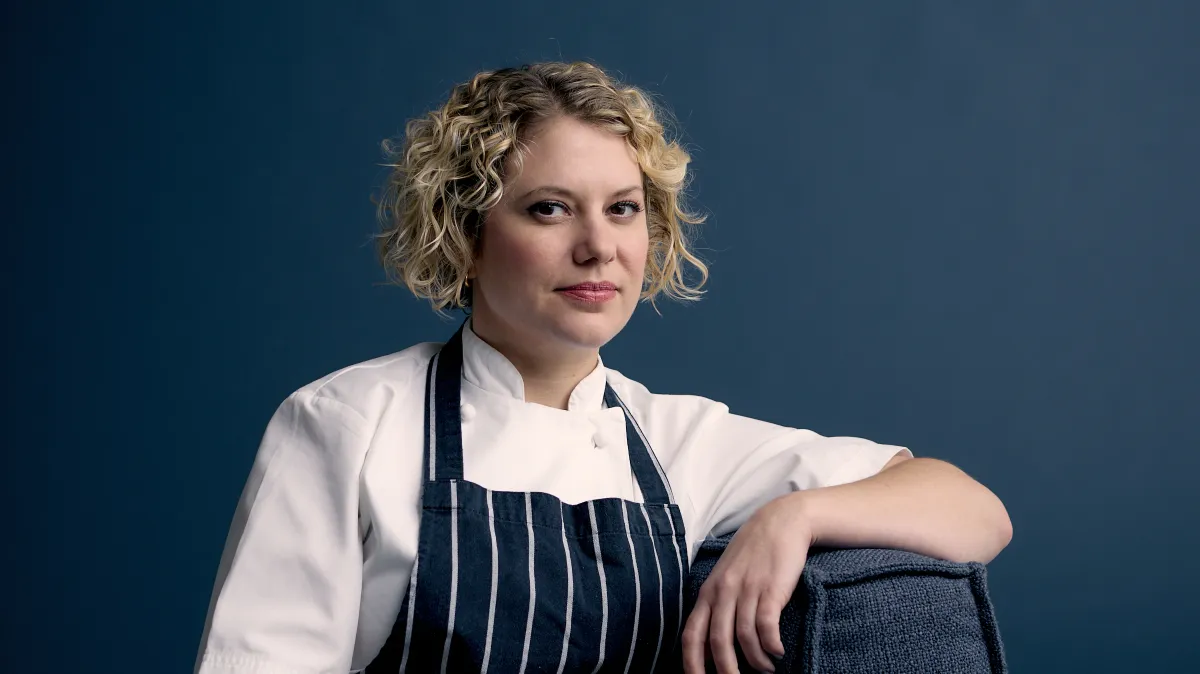
Shouty chefs, macho bravado and punishing hours — it’s not easy to be a woman in a professional kitchen.
Now leading restaurants have signed up to a pledge to protect women in the industry after what the Michelin-starred chef behind it calls a “reckoning”.
Sally Abé, who has worked under Gordon Ramsay and was the head chef of the Harwood Arms in Fulham when it became the first pub in London to be awarded a Michelin star, will unveil the ten-point pledge on Monday at this year’s Hotel, Restaurant & Catering Show (HRC), Britain’s leading trade event for hospitality, calling on venues to take practical steps against sexism, bullying, harassment and discrimination.
René Redzepi resigned this month as head chef of Noma, a former three-Michelin-star restaurant in Copenhagen, after an investigation by The New York Times alleged that he had subjected staff to decades of systemic abuse, including physical and psychological violence. The celebrity chef apologised and said that while he did not “recognise all details in these stories”, he had undergone therapy to manage his anger.
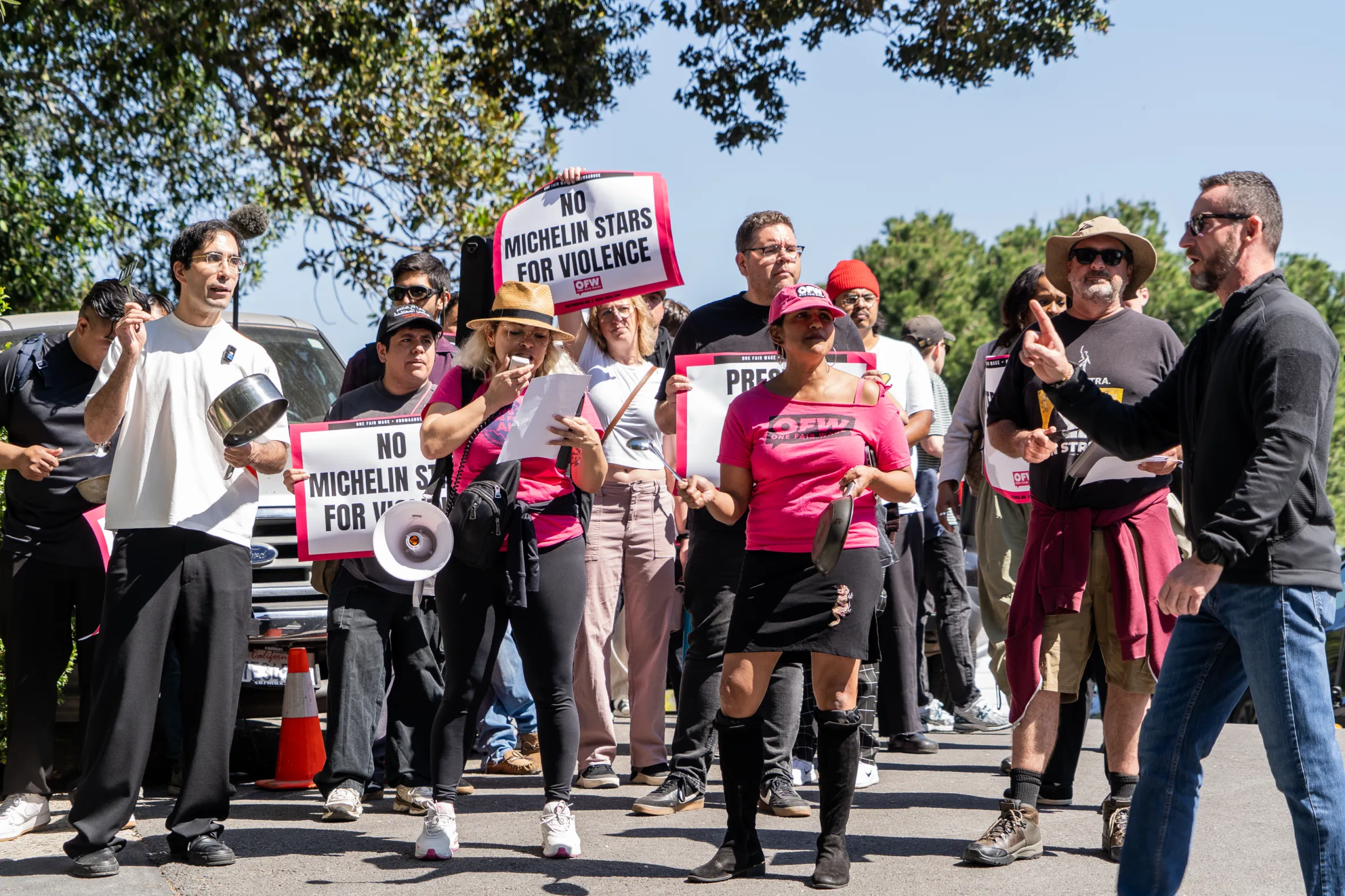
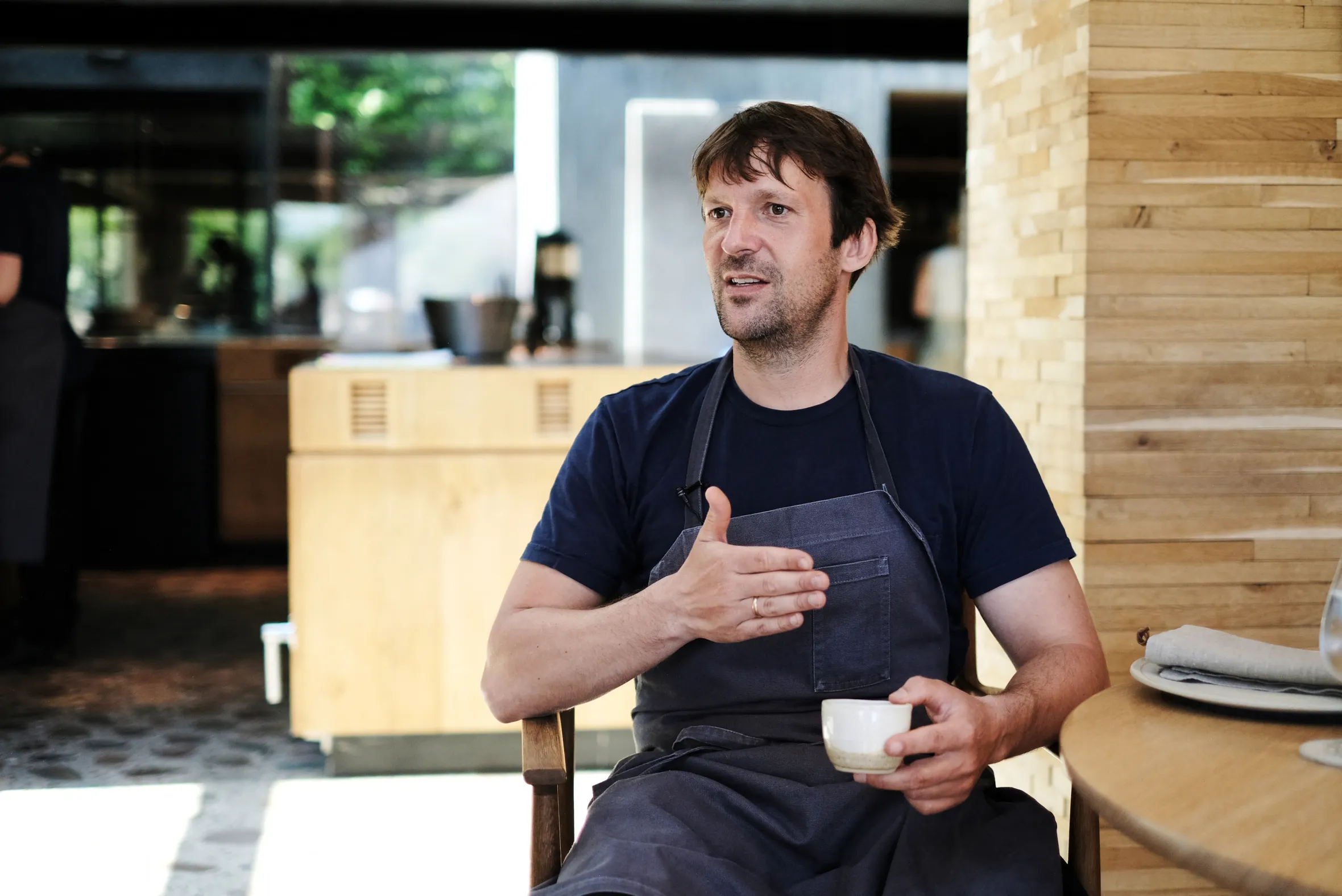 René Redzepi and, below, members of One Fair Wage delivering a formal demand letter for the chef calling for dialogue and change after accusations of abuse within Noma and the industry at largeThibault Savary/AFP/Getty Images
 News Enterprises
Allegations of misogyny within the British hospitality industry came into focus last year after the Michelin-starred chef Jason Atherton told The Times that he had “not seen it” in any of the kitchens he had worked in.
Atherton later issued an apology on Instagram and wrote an article to clarify his position, in which he said: “I categorically do not believe there isn’t sexism in the industry, of course there is… I just have not witnessed it personally. I was answering for me, no one else.”
Nevertheless, Atherton’s initial comments prompted an open letter from 70 prominent female chefs, including Abé, as well as Anna Haugh, who will be a judge on the new series of Masterchef and Candice Brown, a former winner of The Great British Bake Off, condemning “pervasive” sexism within the “systematically flawed” sector.
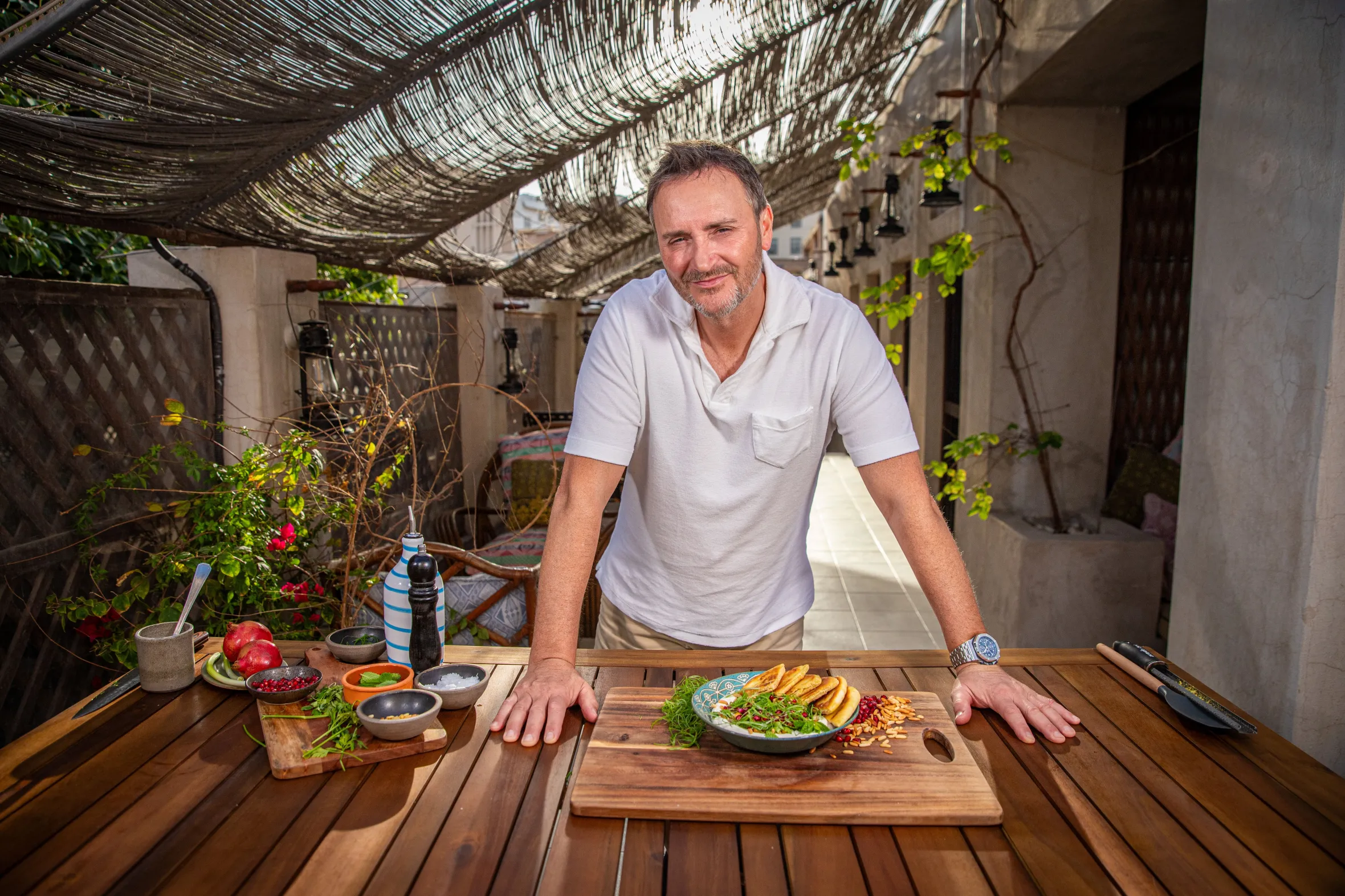 Jason AthertonShutterstock Editorial
Signatories to the pledge include Ottolenghi, the popular restaurant and deli known for its Middle Eastern-inspired cuisine, and Hawksmoor, the renowned steakhouse. Compass Group, which provides contract catering for schools, offices, hospitals and Premier League stadiums, has also signed.
Abé, who is now opening her own bistro, Teal, in Hackney, east London, hopes that hundreds of operators and restaurants will follow suit — whether it’s a neighbourhood pizzeria or a fine dining establishment.
“The good thing about this pledge is that when somebody reads it, it’s going to make them think, ” Abé said. “They’ve probably never had to think about these issues before because they come from a position of privilege.
“Especially around pregnancy, parenthood and the menopause, guys zip through life with not a care in the world about any of these things, and they’re not aware. So we need to be like: ‘Hey, this is happening.’”
Signatories to the pledge must adhere to commitments including supporting pregnancy, parenthood and return-to-work transitions, fair pay and equal promotion pathways, women’s health awareness, and zero tolerance of harassment, bullying and discrimination.
Abé would like to see the government appoint a hospitality minister who could step in to ensure that signatories adhere to the pledge.
“I think that the government has a responsibility to ensure the well-being of people in hospitality in the same way that they do food safety inspections. So there could be some kind of government-led scheme, but unfortunately I don’t think that that’s going to happen anytime soon.
“It always comes down to time and funding. We’ve been petitioning for a hospitality minister for five years, and no luck yet.”
Abé, who is also the author of A Woman’s Place is in the Kitchen, an exposé of toxic professional kitchens in Britain, said that the pledge was necessary because it was a way to take action.
“Hospitality had a MeToo moment last year. But, naturally these things die down. The momentum doesn’t continue at such a fast pace forever.
“So I’ve been working away in the background to find a lasting way to implement change. Societal change takes a long time. We need to keep moving the needle.
“Men and women should be treated as though they are men and women. We can’t be expected to do all of the same things. It’s just not possible. So provisions need to be put in place for that.
“Some women have such bad period pains that they can’t get out of bed. That needs to be recognised more. And it’s the same with menopause. Women go through really massive hormonal changes, and that needs to be recognised.”