
Egypt to slow fuel-intensive projects for two months
Measures include cutting government fuel use, remote work adoption
Move follows oil supply disruptions, amid ongoing economic pressures
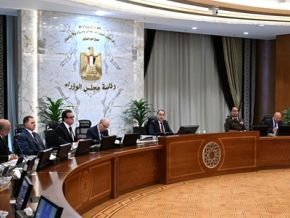
Egypt will slow certain fuel-intensive public projects for an initial two-month period, Prime Minister Mostafa Madbouly said on Saturday.
The measures mainly target construction projects that consume large amounts of diesel, according to official statements. They also include a 30% reduction in fuel use by government vehicles. Some public agencies will introduce remote working days to reduce commuting.
Madbouly said the measures aim to curb consumption across the most energy-intensive public activities. “The government has no choice but to implement this decision,” he said.
The government described the measures as temporary adjustments and did not say whether they could be extended.
The decision comes as energy markets face severe pressure linked to the war in the Middle East. In its March 2026 Oil Market Report, the International Energy Agency said the conflict “is creating the largest disruption to oil supply in the history of the global market,” citing supply blockages.
A Still Fragile Macroeconomic Outlook
The spending curbs come as Egypt’s economy remains under strain. The country is engaged in an extended financing programme with the International Monetary Fund. In a statement in February 2026, the IMF confirmed it would continue its $8 billion Extended Fund Facility programme, approved in December 2022 and extended through Dec. 15, 2026.
Egypt’s external buffers remain closely tied to its foreign exchange reserves. The central bank said on March 4 that net international reserves stood at $52.75 billion at the end of February, which it described as exceptional.
On March 25, President Abdel Fattah al-Sisi and Prime Minister Madbouly discussed the need to secure foreign currency reserves amid ongoing economic developments, according to Ahram Online.
This comes as the country faces significant external financial obligations. In an analysis published in November 2025, Capital Economics estimated Egypt’s external debt service at $27 billion for 2026.
Several institutions have flagged persistent vulnerabilities. In a March 17 note, the Atlantic Council said elevated oil prices could trigger balance-of-payments pressures.
Abdel-Latif Boureima