
SINGAPORE – The Communicable Diseases Agency (CDA) will implement revised public health measures to help manage the spread of measles, after 12 new cases were reported between Feb 1 and March 24.
In a statement on March 31, CDA said the revised measures maintain most of the stepped-up precautionary measures implemented since February, while ensuring long-term operational sustainability.
These include continued mandatory testing of all suspected measles case, with those in high-risk settings – such as working in childcare centres with infants below a year old or healthcare facilities with medically vulnerable individuals – not allowed to return to school or work until they test negative for measles.
Mandatory isolation of laboratory-confirmed cases, until they are no longer infectious, will also continue.
Those who are not admitted to hospitals will be placed on home isolation, and random checks will be conducted throughout their period of isolation to ensure they remain at home, said CDA.
Contact tracing will continue to be conducted for all infected cases, with all contacts – including casual and non-close contacts – to be advised to monitor for symptoms and seek medical attention if they are unwell.
Meanwhile, close contacts who are susceptible to infection – those who are unvaccinated or without evidence of immunity – will be offered post-exposure prophylaxis (PEP) to reduce their risk of infection and prevent further transmission.
They will no longer be quarantined from April 1. Those who work or study in high-risk settings will be subject to additional measures, such as leave of absence from childcare centres and redeployment to non-patient facing roles in healthcare facilities, for up to 21 days from their last exposure.
“While we may occasionally detect small clusters with limited spread given the global rise in measles cases, the risk of large outbreaks in the community remains low due to the high vaccination coverage and herd immunity among Singapore residents,” CDA said.
“CDA will closely monitor Singapore’s measles situation and adjust our public health measures as it evolves, to prevent community transmission and maintain our herd immunity.”
11 out of 12 cases not fully vaccinated, including two infants under one year
All 12 cases reported between Feb 1 and March 24 are persons living in Singapore, with six having recently travelled overseas.
Eleven of them were not fully vaccinated, including two infants under 12 months old who were not yet eligible for the measles, mumps and rubella (MMR) vaccination.
Eight cases are not genetically identical to one another, while four cases are part of a known cluster, CDA said, adding that there is no evidence of wider community spread.
Epidemiological investigations are ongoing.
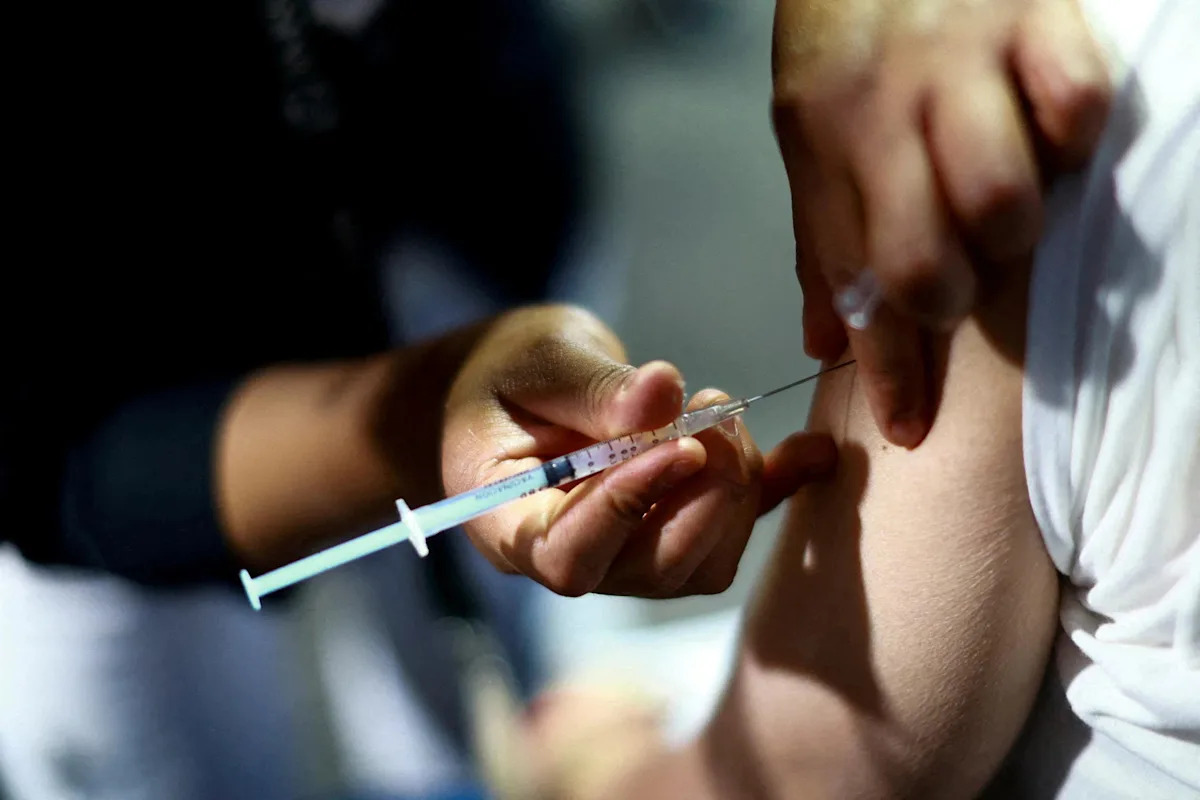
The agency reminded the public that the most effective way of preventing measles infection is to be vaccinated.
Source: The Straits Times © SPH Media Limited. Permission required for reproduction