
Oil-linked supply crunch drives up prices of medical consumables, adding pressure on deficit-hit hospitals
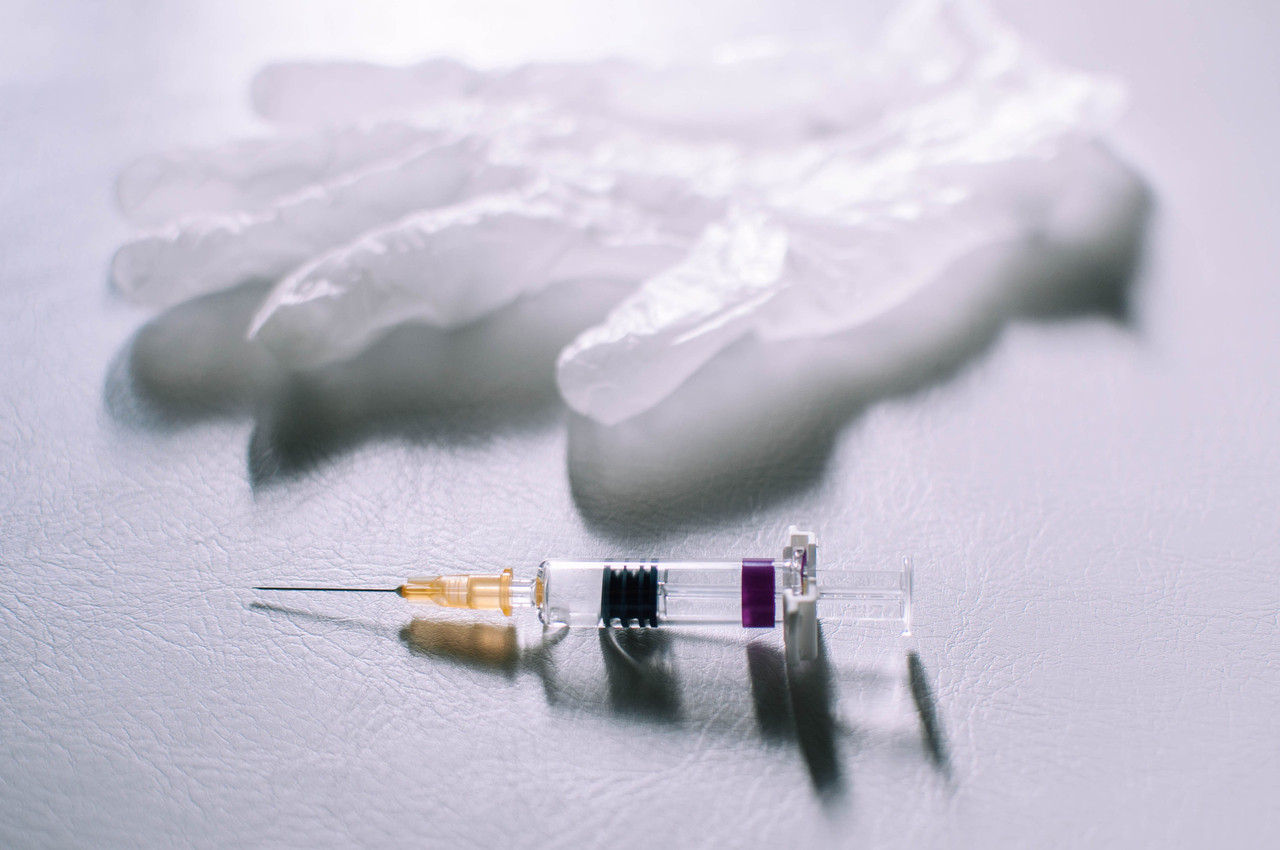 A medical syringe and disposable gloves (123rf)
The effects of intensifying conflict in the Middle East are beginning to ripple through South Korea’s medical sector, which relies heavily on oil-derived chemicals to produce supplies such as needles, gloves and packaging.
Some suppliers have already announced double-digit price increases or introduced purchase quotas after weeks of escalating conflict involving the United States, Israel and Iran, which have tightened supplies of oil and petrochemical products.
Though the government is moving to respond to growing concerns over supply disruptions, instability in the Red Sea region is expected to prolong supply strain, adding to uncertainty.
Korea Vaccine, a supplier of medical consumables, said it will raise prices of disposable syringes and needles by 15 to 20 percent for shipments over the next two months, starting Wednesday.
“Due to escalating tensions in the Middle East, prices of oil-based materials have surged, leading to supply instability,” the company said in a notice. “Prices will be adjusted immediately once supply conditions stabilize.”
The company is not alone. Other suppliers are either raising prices or limiting volumes as the oil supply crunch deepens.
South Korea’s medical sector is heavily dependent on oil-based materials, particularly plastics. Products ranging from syrup bottles and disinfectant packaging to sterilized gloves and intravenous fluid bags are made from naphtha, a petroleum-derived feedstock.
About 45 percent of Korea’s naphtha demand is met through imports, 77 percent of which comes from the Middle East. Even domestically produced naphtha depends on crude oil imported from the region, exposing the sector to disruptions linked to tensions around the Strait of Hormuz.
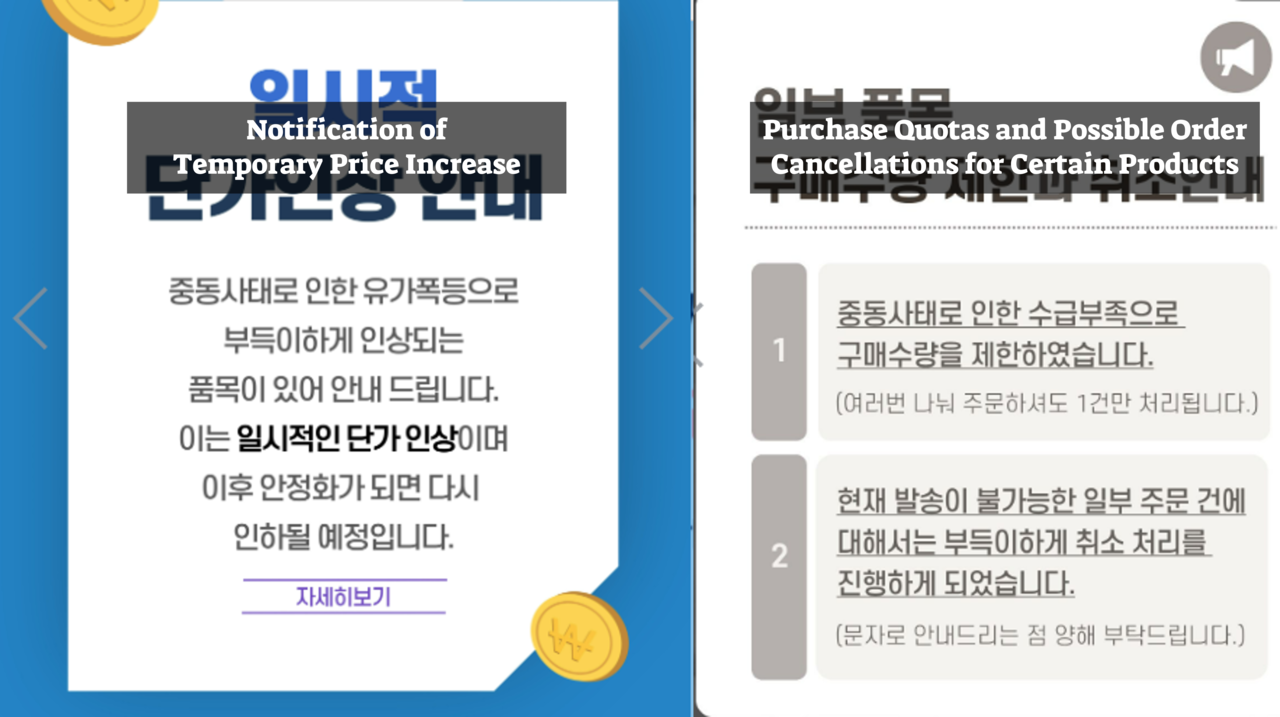 Notifications of price hikes and purchase quotas in response to plastic supply instability are seen on online shopping malls for medical supplies in Korea on Tuesday. (Screenshots from online shopping malls)
The government is assessing stockpiles of key medical materials and potential shortages across hospitals, with small and medium-sized plastic packaging firms estimated to have only five to six days’ worth of raw materials.
The government and the ruling Democratic Party of Korea have agreed to prioritize intravenous solutions and other essential medical products in the event of supply disruptions affecting plastic containers.
Health Minister Jeong Eun-kyeong also presided over a pan-government emergency meeting on Tuesday to discuss ways to secure a stable supply of medical products, including fast-track approval of alternative packaging materials.
“The Health Ministry will preemptively identify and address issues in the health care sector, including the supply of pharmaceuticals and medical devices, that are causing public concern,” she said.
With supply strain expected to intensify, concerns are also growing that the conflict could expand to key shipping routes such as the Red Sea, particularly as Yemen’s Houthi forces signal potential involvement.
The medical community warns that rising consumables costs could further strain hospital finances, which are already under pressure.
Doctors note that most consumables are not covered by the national health insurance system, while medical service fees remain fixed. As a result, rising costs are largely absorbed by hospitals and clinics.
The pressure is expected to deepen for medical institutions already facing deficits due to rising labor and material costs under the fixed fee system.
According to the Korea Health Industry Development Institute, tertiary and general hospitals in South Korea posted an operating margin of minus 3.1 percent in medical service revenue in 2023, with losses widening from a year earlier. The situation is expected to worsen following the departure of medical residents after disputes between the government and doctors in 2024.
“Even in the short term, we hope the government will take measures to address rising prices of essential consumables included in the fee-for-service system,” said Kim Seong-geun, spokesperson for the Korean Medical Association, in a phone interview with The Korea Herald.
“Possible steps include freezing costs or allowing temporary reimbursement as separate items, so that patient care is not affected.”
forestjs@heraldcorp.com