
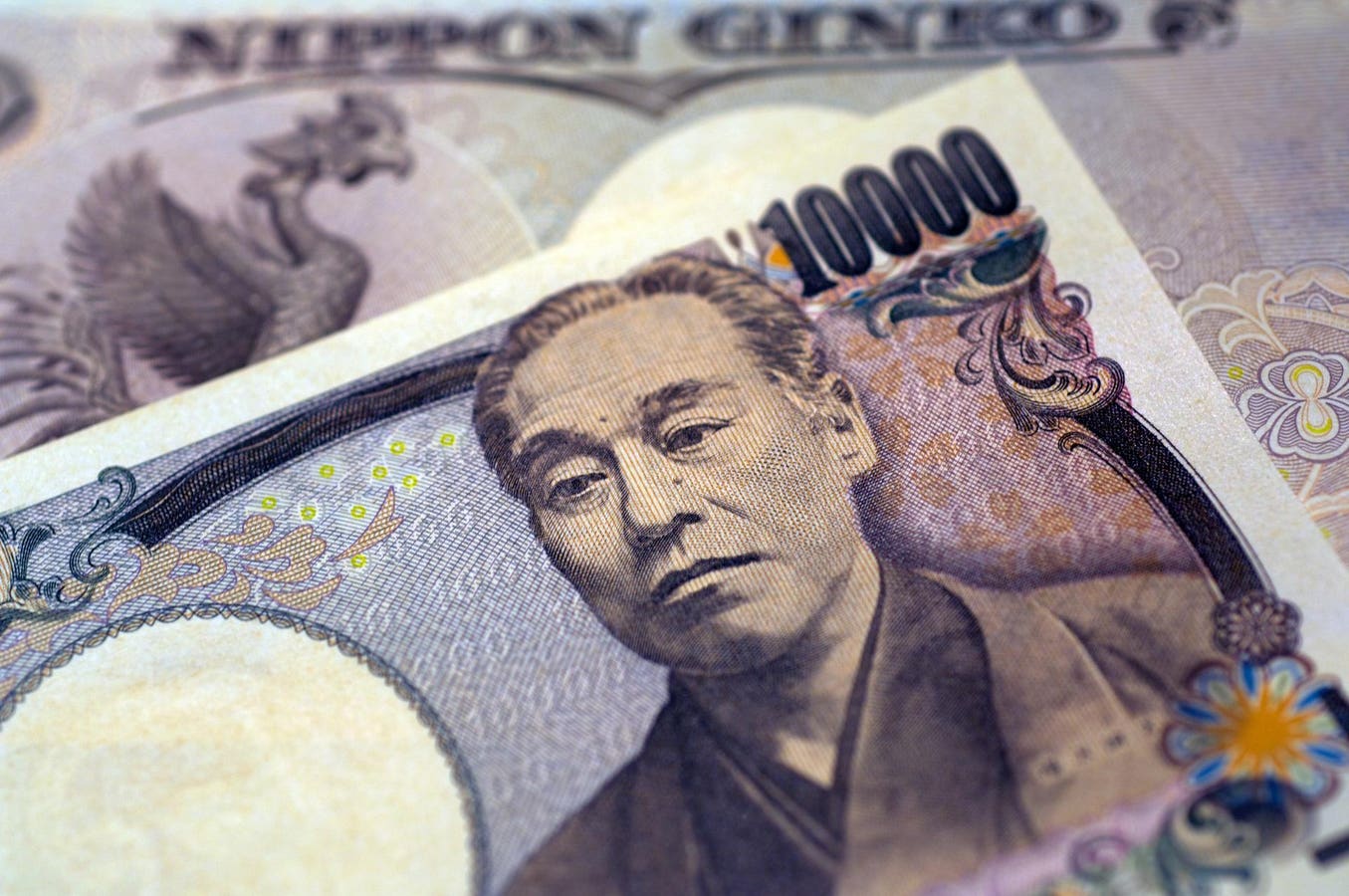
On any list of signs the global financial system is going awry, the Japanese yen weakening in a time of crisis deserves prominent mention.
For a good two decades now, the yen had been a reliable safe-haven in times of global distress. The fast-widening fallout from U.S.-Israeli attacks on Iran should have the Japanese currency soaring along with the dollar. Instead, the yen’s drop to the 160 level has officials in Tokyo scrambling and hinting at action.
On Monday, Japan’s top currency official, Atsushi Mimura, warned speculators not to test the Ministry of Finance, a clear hint currency intervention could be on the way.
“We’re hearing increasing concern that speculative activity is picking up not just in the crude oil futures market, but also in the foreign exchange market,” Mimura told reporters. “If this situation continues, we believe decisive action may soon be necessary.”
More interesting, perhaps, is why the yen has fallen out with the safe-haven-seeking crowd. Is it about Japan and its fragile finances? Or is it related to a collective decision by central banks and investors that the dollar is the only safe place for capital right now?
Adding to the intrigue: there are numerous reasons why the dollar should be out of favor. They include the U.S. national debt on the verge of $40 trillion, rising inflation and Trump’s erratic tariff policies and assault on the Federal Reserve’s independence. Still, the dollar’s advance is reminding gold bulls that U.S. government assets are a hard habit for many to break.
But what if the yen’s downgrade as a hedge is related to Tokyo’s current policy mix? If Japanese Prime Minister Sanae Takaichi’s team isn’t asking, and internalizing, this question then the yen bills are in trouble.
One big problem, of course, is Tokyo’s ginormous debt burden — the biggest by far among developed nations. Before and after Takaichi rose to the premiership last October, she’s made her determination to cut taxes known. This idea of running up new debts has run afoul of the bond market in recent months. Earlier this year, 10-year bond yields rose to the highest since 1999.
That happened as traders worried about Japan having its own “Liz Truss moment.” The reference here is to 2022, when then-UK Prime Minister Truss crashed the bond market with an unfunded tax-cut package.
In May 2025, Takaichi’s predecessor, Shigeru Ishiba, shocked the world by saying Tokyo’s finances are “worse than Greece.” All this complicates Takaichi’s tax cut hopes in tantalizing ways — and in real time. And things have only grown more precarious as oil tops $110 per barrel.
Another possible reason the yen isn’t rallying: traders betting Tokyo would pull all the stops to push it lower again. Though there’s now broad agreement that Japan’s 20-year weak yen addiction has backfired, neither Takaichi nor her Liberal Democratic Party appears to have another plan.
Takaichi has been quite vocal about her preference for a weak yen to boost exports. That may explain, at least in part, why the Bank of Japan has throttled back on its determination to continue hiking rates this year.
Yet the yen weakening past 160 to the dollar could trigger a bigger plunge. Along with angering Trump World, a lower exchange rate could upend the so-called “yen-carry trade” in chaotic ways.
In 1999, the BOJ became the first major central bank to slash rates to zero. Since then, it’s been essentially trapped there. In December, the BOJ hiked rates to 0.75%, a 30-year high. Now the BOJ doesn’t know if its next rate move is up or down as Japan grapples with stagflation. Inflation is twice the rate of 1.1% GDP growth rate in 2025.
All this leaves the yen in a state of limbo to which officials in Tokyo aren’t accustomed. One can only hope Team Takaichi is investigating why, in a time of crisis, the yen is on the sale rack.