
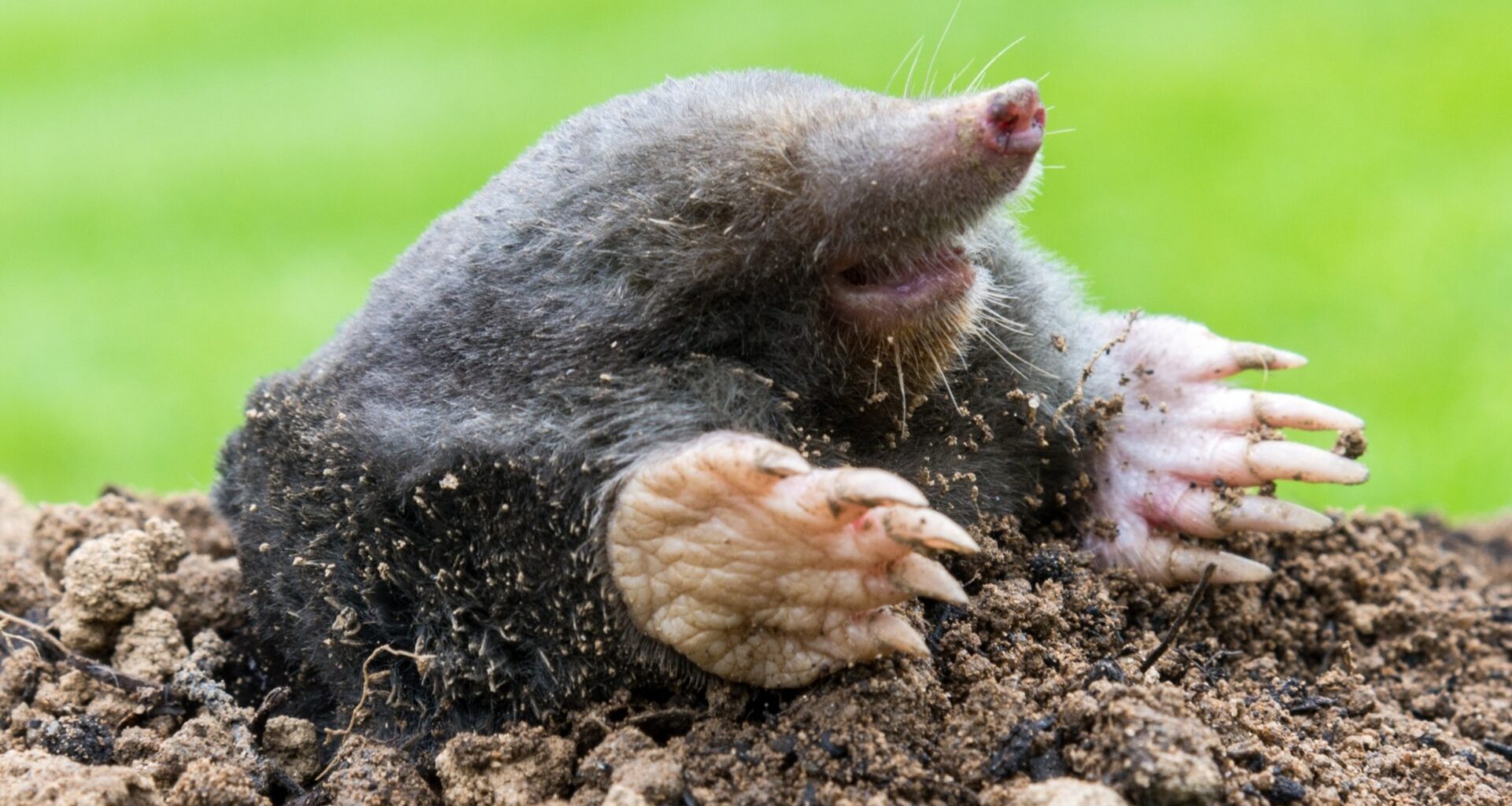
A new analysis has found that wild animals alter soil and sediment movement far more strongly than scientists had previously quantified.
The research shifts how landscapes are understood, bringing everyday animal activity to the forefront of how rivers, soils, and landforms evolve.
Evidence across ecosystems

Across 64 studies spanning rivers, lakes, burrows, and foraging grounds, the pattern emerged in both water and on land.
Dr. Zareena Khan at Queen Mary University of London (QMUL) documented average changes of 136 percent in freshwater systems.
The same body of evidence showed a 66 percent average change in terrestrial environments, extending the finding well beyond a handful of conspicuous cases.
That gap between freshwater and land sharpens the next question, which is how animals are producing such persistent physical changes in the ground itself.
Changes in soil texture
Much of that influence came from repeated changes in soil texture, especially when animals opened extra space between grains.
Researchers call that porosity, the amount of empty space inside soil or sediment, and animals increased it across both environments.
At the same time, animal activity reduced fine material by 44 percent overall, often leaving coarser ground behind.
Looser ground and fewer fine particles changed how water could enter, move sediment, and deposit material in the same place.
Water, sediment mixing, and erosion
Once animals loosened or sorted the ground, water met less resistance and started moving sediment differently through streams, banks, and burrows.
In freshwater settings, the study found particle size rose 201 percent and sediment mixing jumped 444 percent on average.
On land, animals raised erosion by 299 percent and increased water infiltration and content by 17 percent.
Those changes help explain why a burrow, nest, or disturbed riverbed can redirect later floods, seepage, and sediment movement.
Freshwater carries stronger marks
Freshwater systems showed the strongest average response, well above the average effect measured on land.
Flowing water likely amplified those effects because loosened grains can move quickly once fish, crayfish, worms, or other animals disturb them.
Terrestrial settings still showed large effects, but soils often held change closer to the source instead of spreading it downstream.
That difference matters for managers because river restoration and flood planning may miss a major driver when wildlife disappears.
Builders beyond beavers
Beaver dams may draw attention, but the evidence spans far wider, covering nine animal classes from fish and crustaceans to birds.
Burrowing, trampling, walking, feeding, and nest building all moved material, showing the effect does not depend on a single high-profile species.
“Animals are constantly redistributing soils and sediments through their everyday activities,” said Dr. Khan.
The evidence shows that common behavior, repeated often enough, can change the ground without any single dramatic event.
The impacts aren’t washed away
For years, scientists assumed steep, high-energy landscapes would wash away animal impacts, allowing floods and gravity to take over.
Instead, the analysis found little clear evidence that higher-energy settings consistently reduced animal influence across freshwater or terrestrial sites.
Some effects even changed direction with elevation, which means the setting shaped the kind of mark animals left.
The map is incomplete
This paper measured 61 wild species, but a 2025 global census had already identified more than 600 animal taxa shaping Earth’s surface.
Many of those animals still lack the paired data needed to estimate how strongly they change land or riverbeds.
That gap likely skews attention toward larger or more visible animals, even though quieter species may do heavy daily work.
The current numbers are better read as a floor than a full accounting of wildlife’s landscape power.
Protecting ecosystems from stress
Because animals change how ground stores water and sheds sediment, losing them can alter how ecosystems respond to stress.
Freshwater habitats deserve special attention, since the strongest effects appeared there and many of those systems are already under strain.
“When these actions accumulate across landscapes and over time, they can significantly influence how landscapes evolve,” Khan said.
That means losing biodiversity is more than a conservation problem – it can also alter the landscape itself.
Animals will keep remodeling the planet
Some of the strongest animal effects have received the least scientific attention, especially changes that prepare ground for later erosion.
In freshwater habitats, some of the biggest changes involved mixing and structuring the ground, yet these conditioning effects have drawn limited attention.
Livestock were barely represented, with only two domestic taxa in the available evidence, so their role remains largely unresolved.
Better measurements across common species, everyday behaviors, and longer timescales would show whether today’s totals are only the beginning.
Animals keep remodeling the planet in ordinary, cumulative ways, not as rare curiosities but as routine forces in living systems.
Future land management will work better when it treats wildlife as part of the processes moving soil, water, and sediment.
The study is published in the Journal of Geophysical Research: Earth Surface.
—–
Like what you read? Subscribe to our newsletter for engaging articles, exclusive content, and the latest updates.
Check us out on EarthSnap, a free app brought to you by Eric Ralls and Earth.com.
—–