
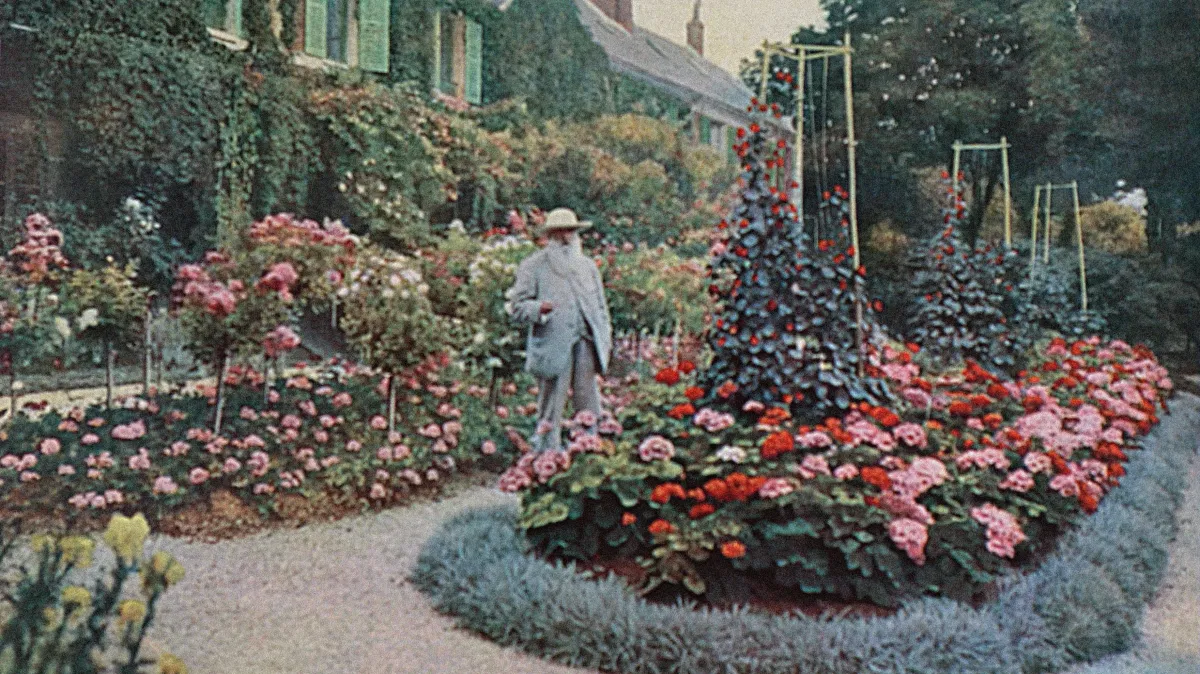
The seasonal peace ends for the Normandy hamlet of Giverny on Wednesday, when the house and gardens of Claude Monet reopen after a winter break. Up to a million visitors are expected to file past its water lilies in the centenary year of the artist’s death.
Under pressure from a tourist onslaught accelerated by social media, Giverny is struggling to stay faithful to the spirit of the impressionist as 2026 turns into a blockbuster year for what critics call the Monet machine.
Attendance for the seven-month season could match the record 900,000 set at a 2010 Monet retrospective at the Grand Palais in Paris.
“A tremendous amount has been done … with the house and the garden [but] there is still a tremendous amount to do to address overtourism,” Alain-Charles Perrot, director of the Maison et Jardins de Claude Monet, said. “The delicate problem is restoring a sense of historical truth to the place to better convey a deeper understanding of who Monet really was,” he told Le Figaro. “I don’t want it to become Disneyland. We’re not going to put in things that did not exist.”
Giverny, now with its bus parks and columns of art pilgrims flowing over Monet’s green Japanese bridge, became the epicentre of the modern mania for impressionism soon after la Maison Monet was opened to the public in 1980.
A recent social media-era surge was compounded when Emily strolled with her love interest, Gabriel, over the water lily bridge in a 2024 season-four episode of the Netflix series Emily in Paris.
Critics are often rude about the “Monetisation” of the art world, referring to its merchandise, immersive shows and the way the impressionists as a brand have eclipsed that of other art movements. “Claude Monet has become the sacred and milk cow of the art world,” Marianne magazine noted.
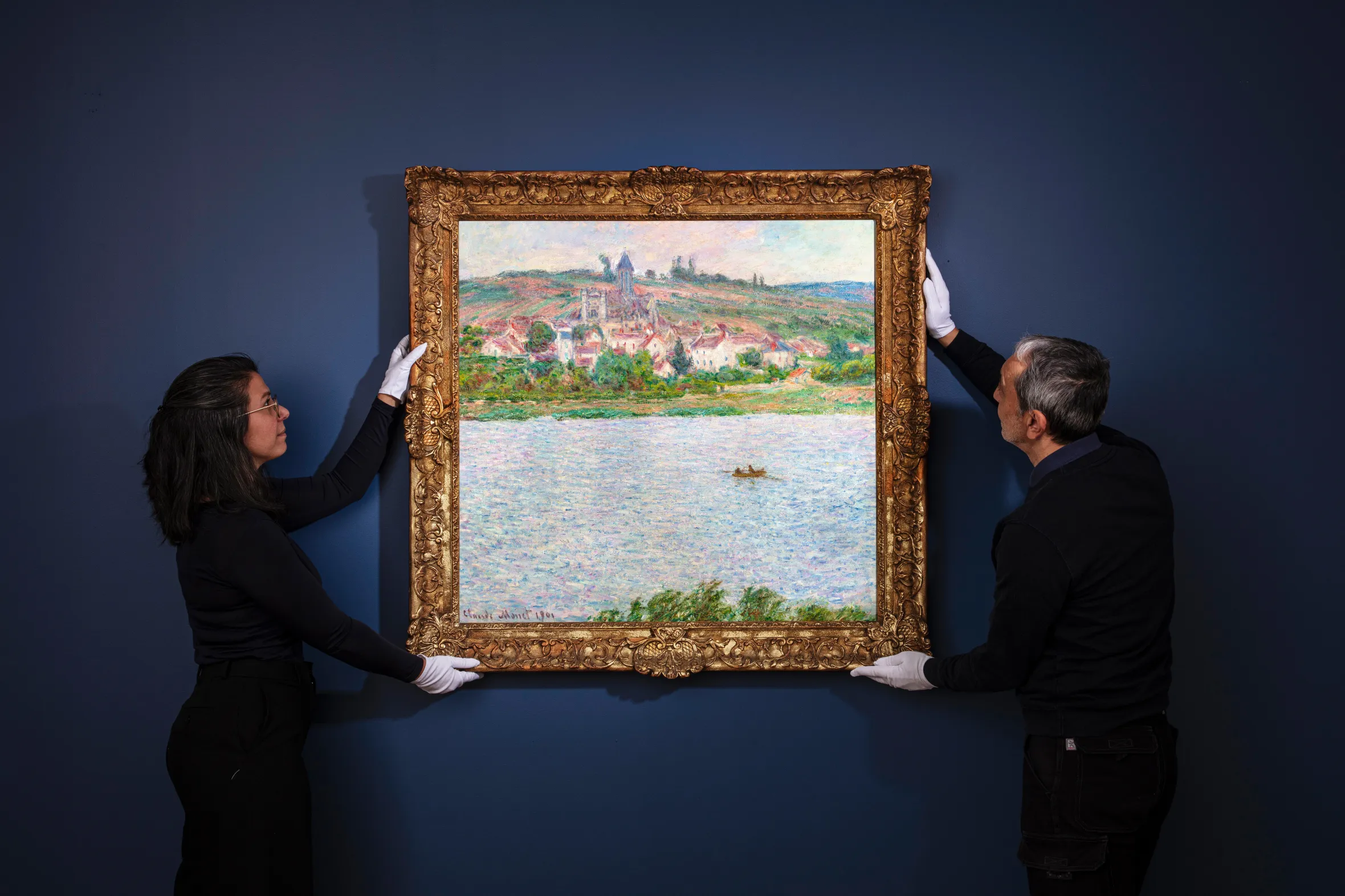 His painting Vétheuil, Effet du Matin, was said to be “deeply moving” to view in personSotheby’s
Giverny, where Monet settled in 1883, going on to create his garden and draw on the surrounding landscape for his inspiration, has come under fire for its commercial side, generating income from more than 900,000 visitors last year. “The gardens of the most famous of the impressionists are bordering on gridlock,” Le Monde said.
The estate insists, like the guardians of the Monet heritage in Paris and in Normandy, that the public, French culture and national economy benefit from responsible promotion of one of the greatest national treasures.
Claude Landais, Giverny’s mayor and a town councillor since 1988, insisted the village of 450 residents was not a victim of overtourism. Visitors are civilised and their presence brings prosperity, he said.
The Museum of Impressionism in the village is marking the centenary of Monet’s death at Giverny in December 1926 aged 86, with an exhibition of 30 paintings, titled Before the Water Lilies. Sébastien Lecornu, the prime minister, who is a local and former mayor of the neighbouring town of Vernon, opened the show last week. To attract daytrippers, who spend little money locally, Lecornu led the creation in 2023 of a shopping centre at Vernon, Giverny’s railway station and river-boat stop, featuring designer outlets to rival La Vallée Village near Disneyland Paris.
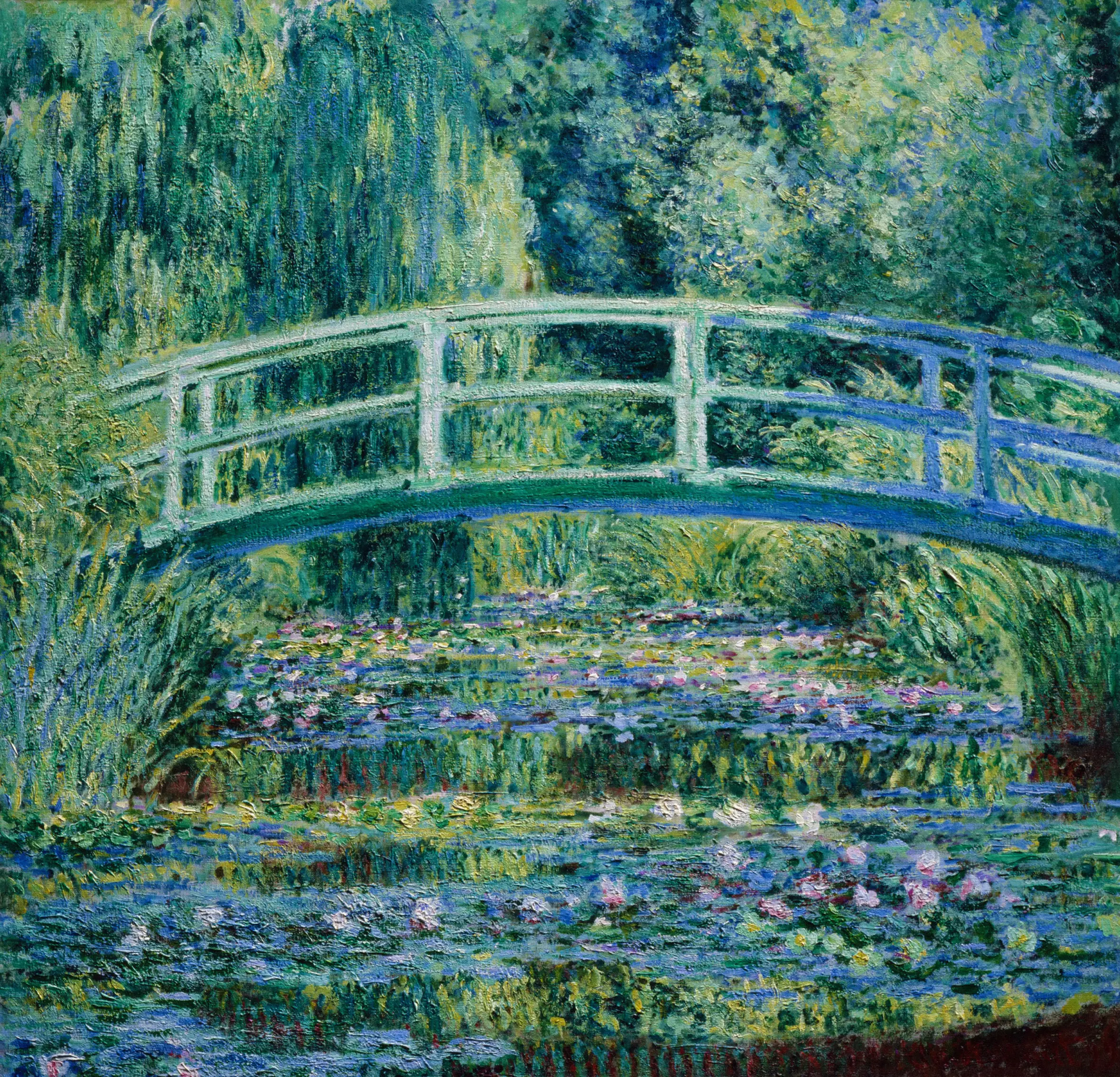 Such is the enduring love for Monet’s images of water lilies, that the museum is keen to showcase the impressionist’s other work Alamy
Cyrille Sciamma, the museum director, described the mixed view of the locals towards the seasonal invasion that benefits them as well as disturbs them. “In his time, Monet was not liked by the locals. Today it’s the same, even though the whole village lives off the beast,” he told Le Monde.
Tour operators, museums and local authorities have geared up for a bumper season planning itineraries around Giverny, to Rouen, where the cathedral was often painted by the master. The chalk Channel cliffs of Etretat are also on the trail, along with the port of Honfleur.
At Le Hâvre, where Monet grew up and which was depicted in the sunrise that gave birth to the name of impressionism, the harbourside city art museum, MuMa, is staging an exhibition focusing on his early career. The Paris region, adjoining Normandy, where Monet also lived and painted, is in full Monet mode, offering tours of his favourite sites.
In September, the Musée de l’Orangerie in Paris, which holds the monumental water lily works, is staging a show on his treatment of time, featuring 40 pictures. Also in Paris, Musée Marmottan Monet, which holds the largest collection of his works, is expected to mount a show in the autumn.
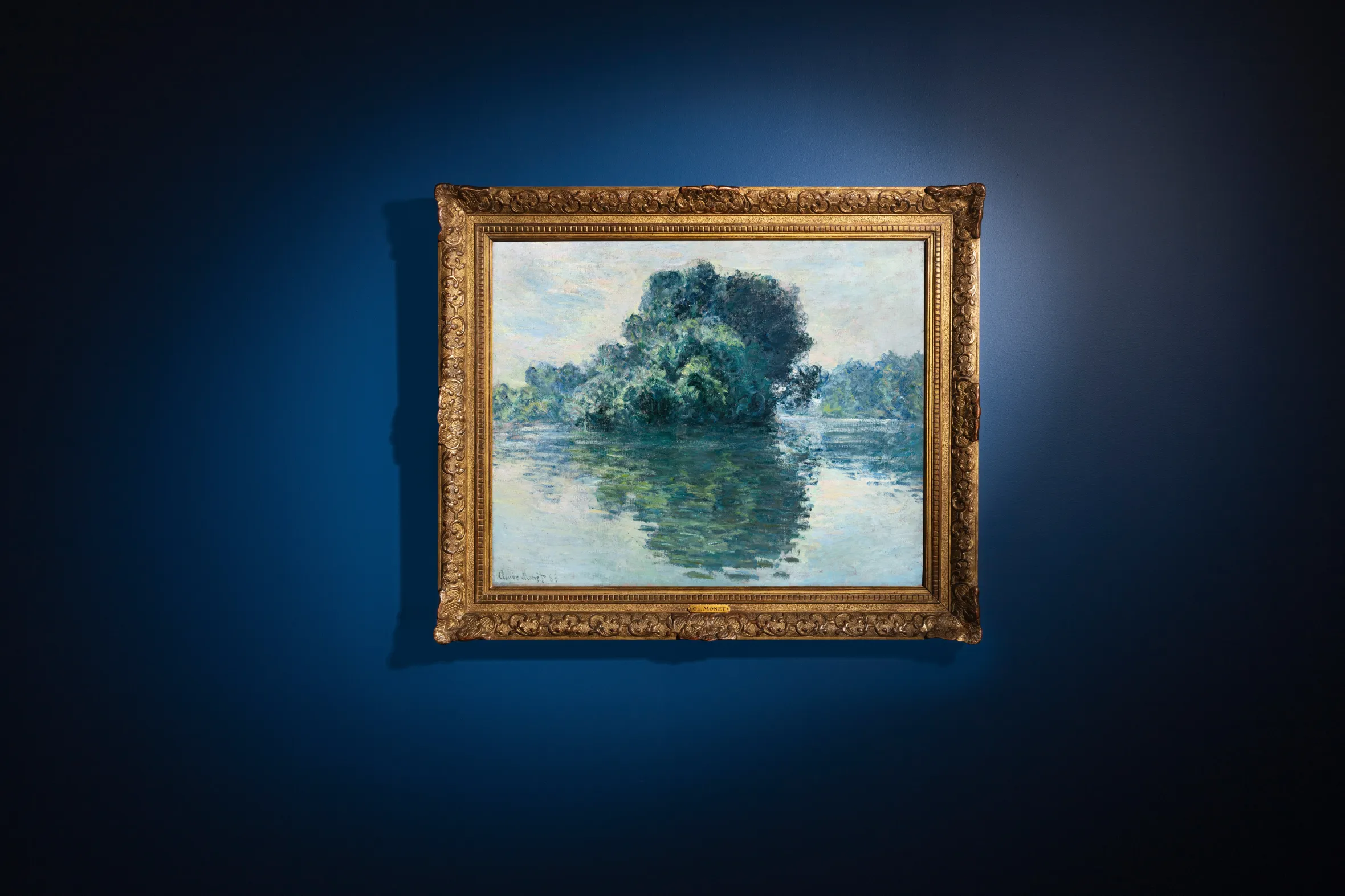 Les Îles de Port-Villez has been described as a “truly exceptional” discoverySotheby’s
“Impressionism is much more than an artistic movement. It is a major draw for the attractiveness of the [Normandy and Paris] regions with their 50-plus visiting sites, museums, artists’ houses and inspiring countryside, which generate more than seven million visits a year,” Voyages Impressionistes, a marketing platform that promotes impressionist tourism, said.
Hidden paintings emerge for first time in a century
Two Claude Monet paintings that were hidden for a century have emerged to set auction records and offer “20/20 vision” of his artistic journey (David Sanderson writes).
One of the works, Les Îles de Port-Villez, can be seen in full colour for the first time since 1911. It was previously only known through black-and-white photographs.
The other, Vétheuil, Effet du Matin, painted in 1901, was last on display in 1928 before spending the following decades in private collections. It has been given an estimate of €6-8 million, the highest ever for a Monet painting on sale in France, before its auction at Sotheby’s in Paris on April 16. Les Îles de Port-Villez has an estimate of €3-5 million.
Oil paintings of water lilies and haystacks by Monet, the “father of impressionism”, have attracted some of the highest prices at auction in history. His 1890-1891 work Meules broke a record for any impressionist work of art when it sold for $110 million in 2019. The prolific output of Monet, who is thought to have created about 2,000 oil paintings, means art historians and auction houses are always on the alert for fresh discoveries.
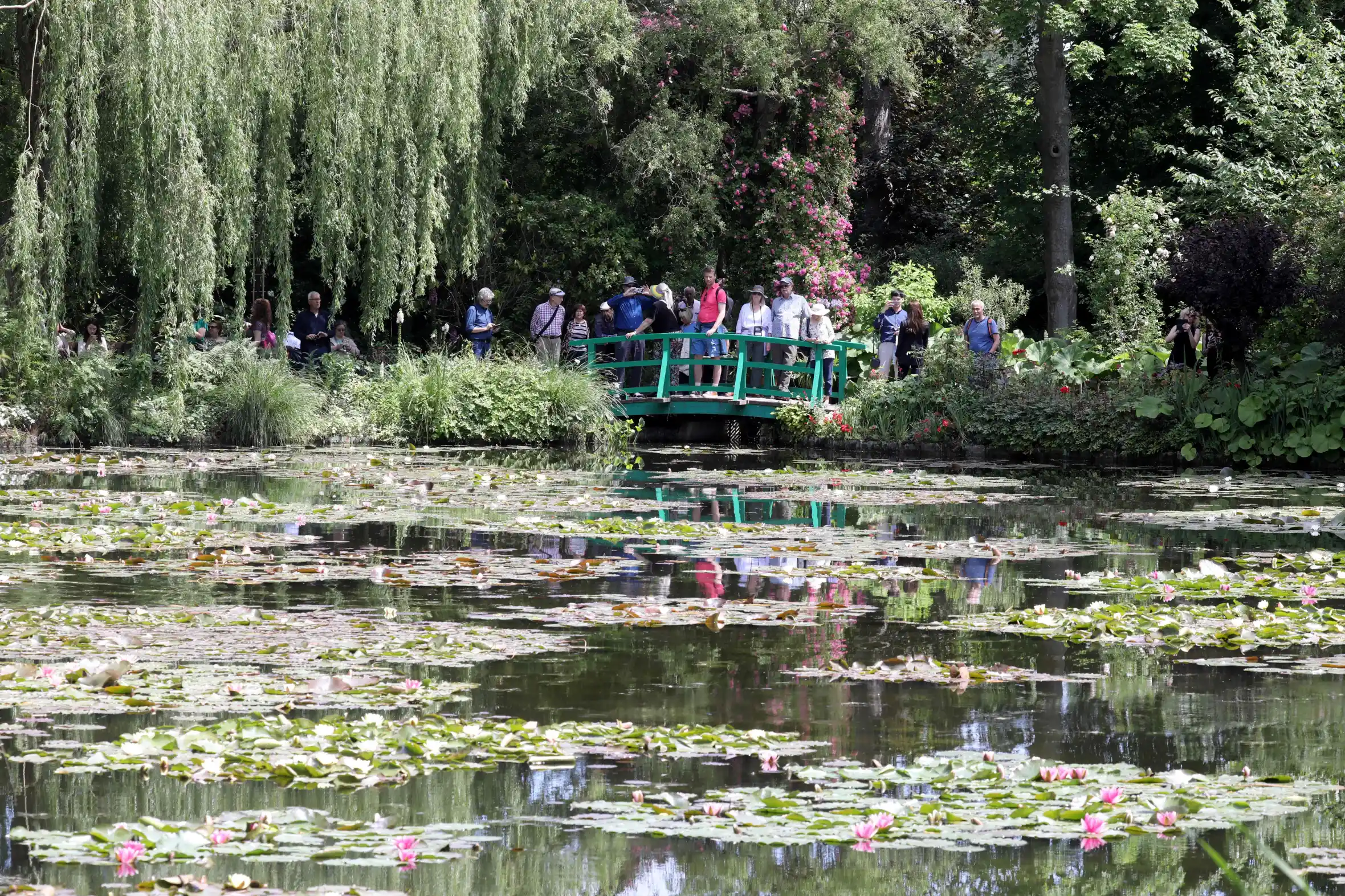 Visitors crowd the bridge next to the water lily pond at Monet’s houseLUDOVIC MARIN/AFP via Getty Images
Thomas Bompard, co-head of modern and contemporary art at Sotheby’s Paris, said: “It is always a remarkable moment when a painting by Claude Monet reappears on the market but to rediscover two such works at once is truly exceptional.”
The landscapes, painted 20 years and 20km apart, “feel almost like a time capsule”, Bompard added.
Vétheuil was one of a series Monet created depicting the valley of the Seine. Others in the series are held by prestigious museums such as the Art Institute of Chicago and the Musée d’Orsay.
Les Îles de Port-Villez was painted two decades earlier, only weeks after Monet had settled in Giverny, the area that would inspire some of the landmark works of the movement. It was bought by the dealer Paul Durand-Ruel, who was key to the rise of impressionism, and was shown in a 1911 show in New York before disappearing.
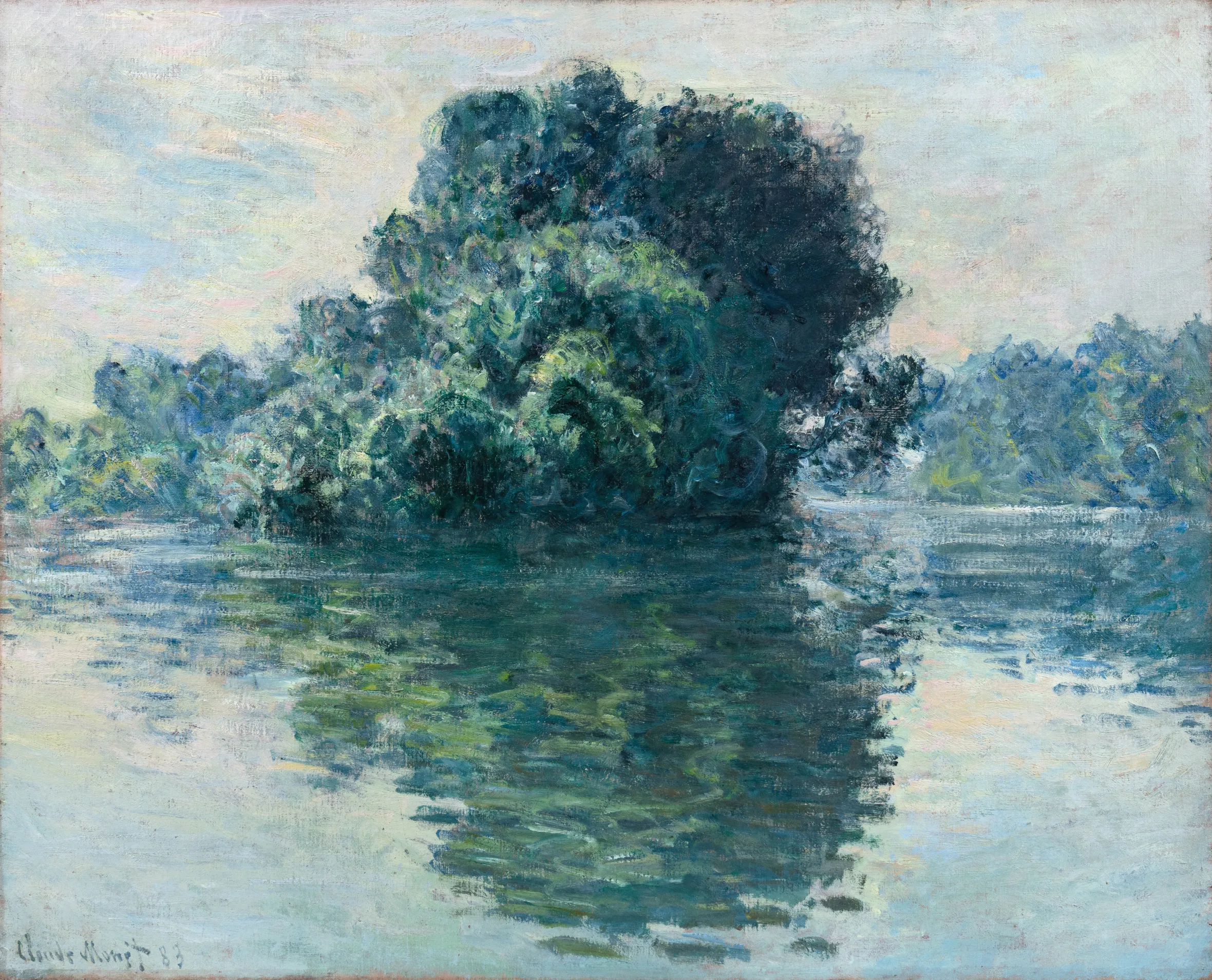 Les Îles de Port-Villez, which will be seen in full colour for the first time since 1911Sotheby’s
Aurélie Vandevoorde, Bompard’s department co-head, said that the paintings offered “20/20 vision of Monet’s artistic journey”, adding: “They reveal the evolution of a painter whose relentless exploration of light and atmosphere would profoundly shape the course of modern art. Encountering them in person for the first time and finally seeing the extraordinary vibrancy of Monet’s colours was a deeply moving experience.”