
ROSLAN RAHMAN
AFP via Getty Images
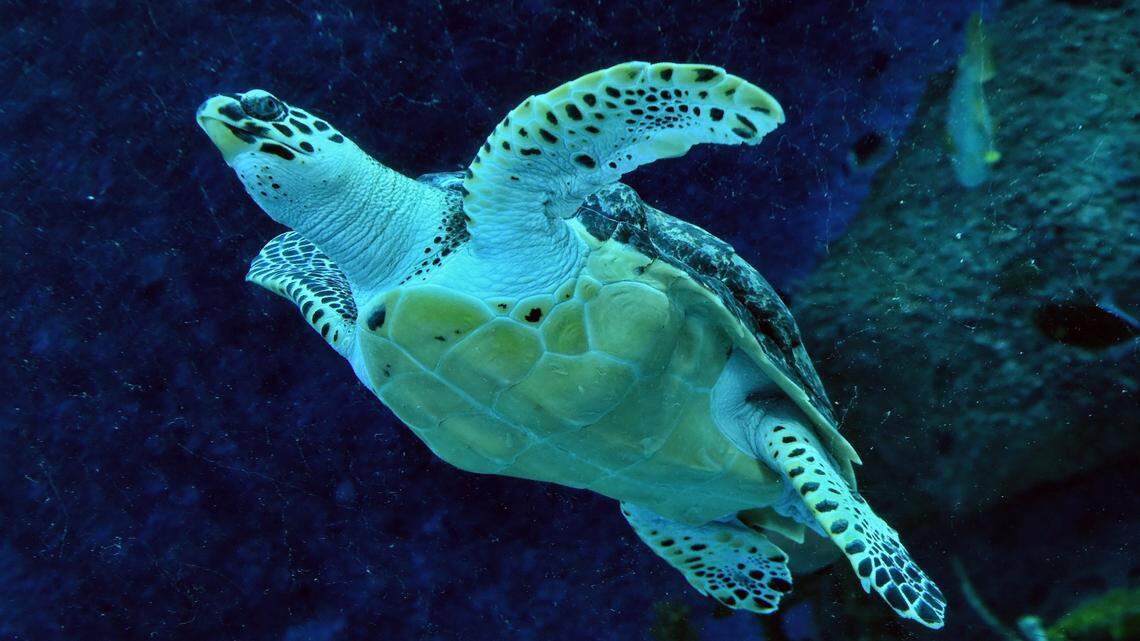
Every hawksbill sea turtle matters. That’s a biological reality for a species listed as critically endangered under the Endangered Species Act — one that was nearly driven to extinction by hunting. So when a stranded hawksbill named Bear was found in terrible condition on an Australian beach in December 2025, her survival carried weight far beyond one animal.
Months later, Bear swam free. Her release at Port Stephens, New South Wales, in March 2026 capped a rehabilitation effort involving dozens of people across multiple organizations.
How Bear the Hawksbill Sea Turtle Was Rescued and Rehabilitated
Bear arrived at Mudgeroo Wombat & Wildlife Refuge in December 2025 in what the sanctuary described as “a terrible state.” She wasn’t the only stranded turtle. Two others were “critically unwell and did not survive,” the refuge wrote in a December 2, 2025, Facebook post.
Mudgeroo is a family-run wildlife rescue on 70 acres of natural bushland in Jervis Bay, on the Shoalhaven Coast of New South Wales, about three hours south of Sydney. Licensed under Wildlife Rescue South Coast Inc., the refuge took Bear in for veterinary care.
“A stranded sea turtle found stranded is most likely critically unwell and needs experienced care and for Veterinary assessment as soon as possible,” the refuge wrote.
What Hawksbill Sea Turtle Rehabilitation Looks Like
Sea turtle recovery is slow. By March 11, 2026, the refuge shared an update: “Since being discovered stranded in December, Bear has shown steady progress, albeit slowly, which is common in sea turtle rehabilitation.”
The initial stabilization phase takes several weeks, the refuge said. Bear’s body weight had increased — a change the team called “particularly encouraging, indicating improved overall health.” A veterinary assessment and blood analysis were forthcoming. Bear’s “prospects for release are looking increasingly promising.”
How Bear the Turtle Was Released Back Into the Ocean
The release came on March 21, 2026, at Port Stephens. The National Parks and Wildlife Service told the refuge that the southernmost region of the hawksbill’s range would “give Bear a head start on her journey north.”
“The Hawksbill sea turtle is a critically endangered species, so her journey back to begin her reproductive life is so exciting & important to their species,” the refuge wrote on Facebook.
The effort drew on a wide network: NPWS Narooma, Bermagui Veterinary Clinic, veterinarian Jana BVSc WRSc, aquarist Kurtis from Aquascene, the team at Irukandji Shark & Ray Encounter and their vet Tom, Dolphin Swim Australia and Wildlife Rescue South Coast volunteers all played a role.
“There is no I in team and dozens of people helped this happen,” the refuge wrote. “She is home.”
On March 22, 2026, Bermagui Veterinary Clinic posted a video of Bear entering the water. “Bear is finally strong and free and out to sea!” the clinic wrote. “Every single Hawksbill Sea Turtle is precious. We must protect them from extinction.”
What Makes a Hawksbill Sea Turtle Unique?
Hawksbills are named for their narrow, pointed beak. Their shells have a distinctive pattern of overlapping scales with serrated edges — and those shells have made them a target for hunters.
“In many parts of the world, hawksbills face the unique threat of being hunted for their beautiful shell, also known as ‘tortoise shell,’ which is used by craftspeople to create many types of jewelry and trinkets,” according to NOAA Fisheries. “The historical hunting and killing of hawksbills for their shell nearly drove the species to extinction.”
Hawksbills live mainly in tropical oceans, predominantly around coral reefs. They feed on sponges, sea anemones and jellyfish, using their pointed beaks to extract prey from reef crevices. Sea turtles have existed on Earth for the last 100 million years and help maintain the health of coral reefs and seagrass beds.
How to Support Hawksbill Turtle Rescue Efforts
Mudgeroo Wombat & Wildlife Refuge was established in 2014 by founders Belinda and Phil. A GoFundMe campaign for the refuge describes how “amidst the ongoing challenges of the cost of living crisis, Belinda and Phil find themselves facing hardship, placing the sanctuary at risk of closure.”
As of publication, the fundraiser has raised over $27,000. For wildlife advice or to report injured wildlife, the Wildlife Rescue South Coast phone line is 0418-427-214.
This article was created by content specialists using various tools, including AI.

Belleville News-Democrat
Samantha Agate is a content specialist working with McClatchy Media’s Trend Hunter and national content specialists team.