
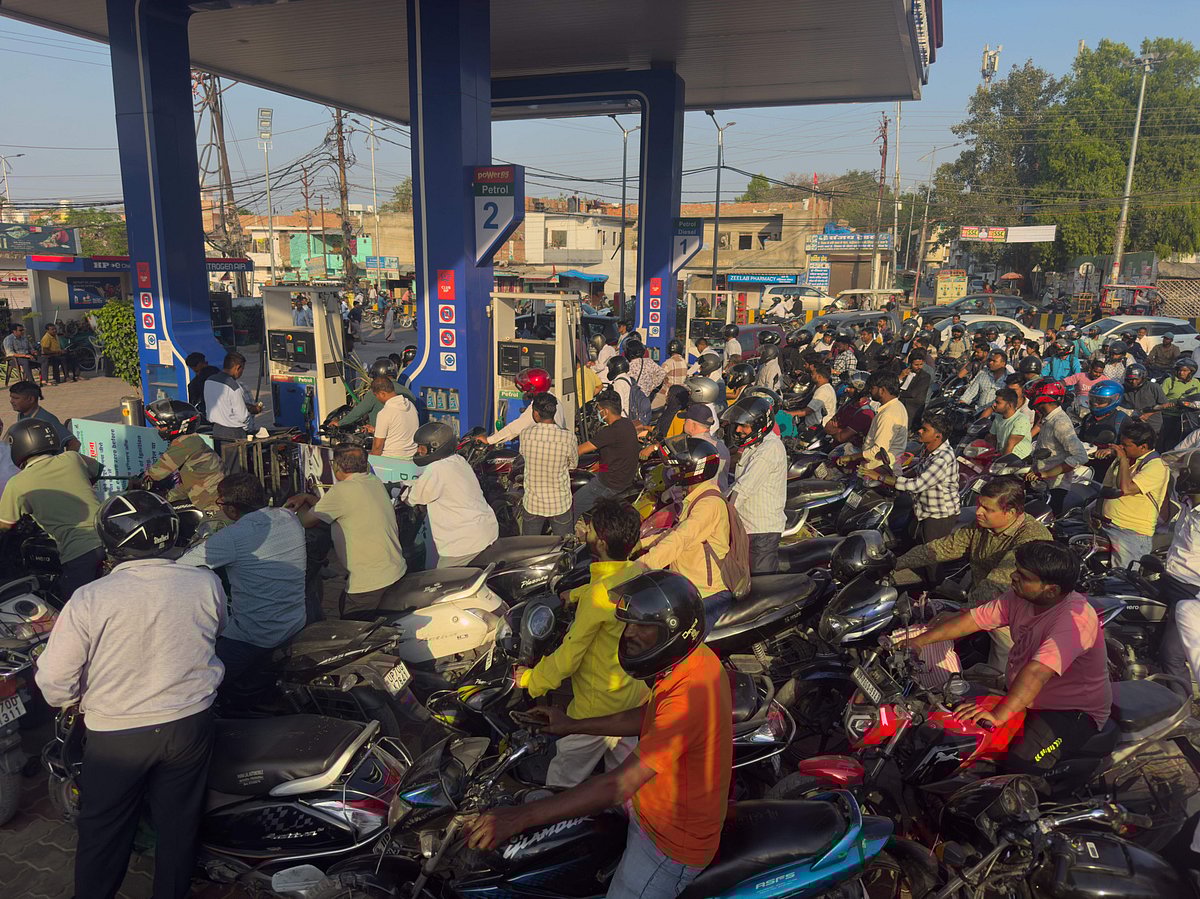
Crushing cost of fossil dependence
CVF countries, which represent about one-fifth of the global population but less than 5% of global GDP and electricity demand, are overwhelmingly net fossil fuel importers located in the sunbelt.
In 2024, their collective import bill hit $155 billion. A prolonged Middle East conflict pushing oil to $100 per barrel could inflate that figure by another $30 billion or more by 2026. ember-energy.org
700 million still lack electricity access
The human toll is even more severe.
Roughly 700 million people worldwide lack any electricity access: CVF nations account for about two-thirds of that number, with around 500 million in Africa alone still unconnected.
Another 500 million endure frequent blackouts, as per Ember data.
How ‘electrotech’ changes the game
Ember’s core argument is that electrotech isn’t just cleaner—it’s now economically superior and better suited to the fragmented, low-capital realities of emerging markets.
Solar power, for instance, now requires less upfront capital than fossil fuel plants, a complete reversal from a decade ago when it cost up to five times more. Batteries are cheaper than extending transmission lines for remote communities.
The leapfrogging is already happening
Nearly half of CVF nations (measured by electricity demand) have surpassed the United States in solar penetration.
Countries like Namibia generate 35% of their power from solar; Togo reaches 18%.
EV adoption is surging in Nepal (70% of two-wheelers) and Sri Lanka (64%).
Between 2020 and 2025, CVF nations imported 138 GW of solar panels from China — enough to generate 218 TWh of electricity annually and displace $20 billion in LNG or $42 billion in diesel imports.
Leapfrogging fossil fuels, into renewables
Unlike the centralised, capital-intensive fossil infrastructure built in wealthier nations over the past century, electrotech scales incrementally and bottom-up.
A household can start with a single solar panel and light, then expand as incomes grow — mirroring how mobile phones bypassed fixed-line infrastructure in the developing world.
Economic and geopolitical upside
The report outlines a virtuous cycle: reliable electricity boosts productivity in schools, hospitals, and factories; cuts import dependency and exposure to global price shocks.
And it frees up fiscal resources for development.
CVF nations also hold “leverage” through critical minerals (such as cobalt in the Democratic Republic of Congo), strategic manufacturing locations, and massive consumer markets as the US, China, and Europe compete for supply chains.