
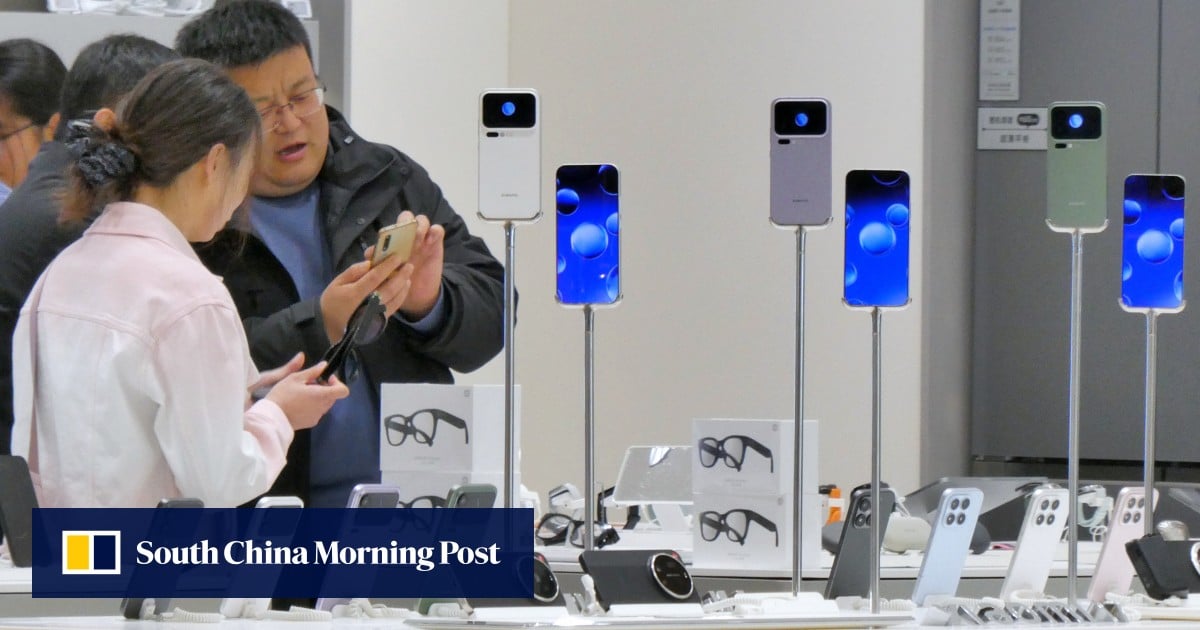
Xiaomi has raised prices on several smartphone models, joining a broader wave of increases across China’s handset makers as surging memory chip costs ripple through the global consumer electronics supply chain.
The company said on Friday that prices for three models would rise by about 200 yuan (US$29), with the adjustments taking effect next Saturday. The move follows similar increases by domestic peers including Oppo, Vivo and Honor in March.
Xiaomi attributed the hike to “continued sharp increases in the prices of key components such as memory chips”.
“This round of price increases has far exceeded expectations,” Lu Weibing, president of Xiaomi’s smartphone business, said in a Weibo post on Friday, adding that memory prices for comparable configurations had surged nearly fourfold from a year earlier.
The increases reflect a broader upswing in consumer electronics prices – spanning smartphones and personal computers (PCs) – driven largely by tightening supply and rising memory costs, as manufacturers prioritise capacity for fast-growing artificial intelligence demand.
Chipmakers have struggled to expand output quickly, while upstream costs – including chemicals, metals, energy and freight – have climbed amid geopolitical tensions, fuelling a wider round of price rises across the semiconductor industry, including analogue chips and power devices.
Conventional dynamic random access memory (DRAM) contract prices were expected to climb 58 to 63 per cent quarter on quarter in the second quarter of 2026, while NAND flash prices could jump 70 to 75 per cent, driven primarily by demand from AI and data centres, according to a TrendForce report this week.