
Life on Earth has a long and fascinating history, but scientists still uncover surprises that change what we know.
A recent fossil discovery in China has revealed that complex animal life began earlier than previously believed.

Scientists from Oxford University’s Museum of Natural History, the Department of Earth Sciences, and Yunnan University have uncovered a remarkable fossil site in southwest China.
The site, known as the Jiangchuan Biota, contains more than 700 fossil specimens.
These fossils date back between 554 and 539 million years. This time period belongs to the late Ediacaran period, just before the Cambrian Period.
Earlier, scientists believed that complex animals appeared mainly during the Cambrian explosion, around 535 million years ago. This discovery now shows that complex life began earlier than expected.
Rethinking the Cambrian explosion
The Cambrian explosion marks a key moment in Earth’s history. During this time, simple life forms suddenly gave rise to a wide variety of complex animals. Scientists saw this as the starting point of modern animal life.
However, the new study shifts that timeline back by at least 4 million years. According to the research, many animal groups already existed before the Cambrian began.
“Our discovery closes a major gap in the earliest phases of animal diversification,” said Dr. Gaorong Li, first author of the study from Yunnan University.
“For the first time, we demonstrate that many complex animals, normally only found in the Cambrian, were present in the Ediacaran period, meaning that they evolved much earlier than previously demonstrated by fossil evidence.”
Fossils that reveal early relatives
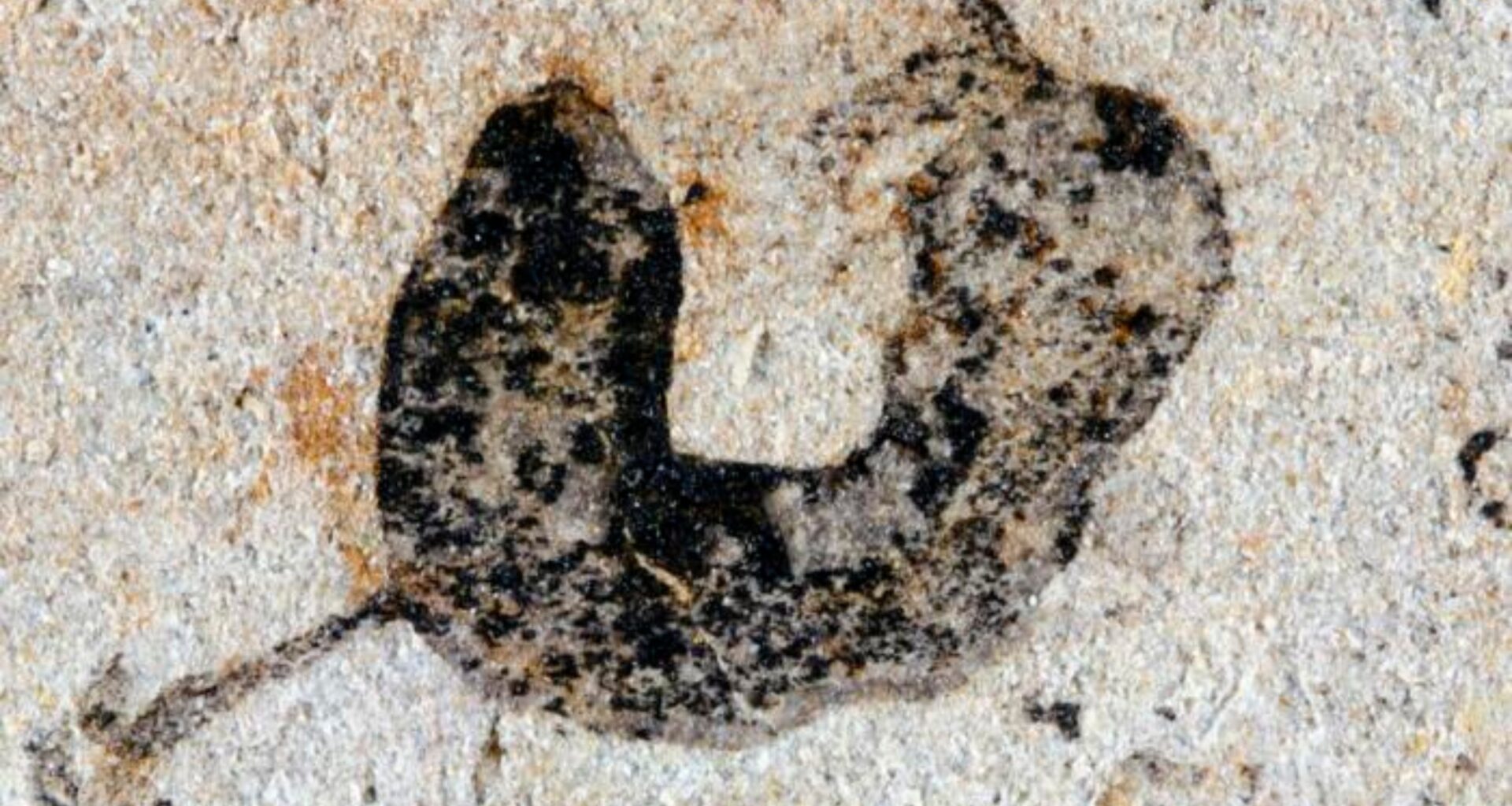
The Jiangchuan fossils include some of the oldest known relatives of deuterostomes. This group includes animals such as fish and humans today.
The study suggests that the roots of human evolution go further back than scientists once thought.
Researchers also found ancestors of modern starfish and acorn worms. These animals belonged to a group called Ambulacraria.
The fossils show a simple but interesting body design. Each creature had a U-shaped body, a stalk to attach to the seafloor, and tentacles to catch food.
This structure shows that early animals already had specialized features for survival. These features helped them feed and stay anchored in one place.
Evidence of complex early life
The fossils also include worm-like animals with bilateral symmetry. This means the body has two equal halves, just like humans. Some of these early creatures had advanced feeding systems.
Scientists even found rare fossils that may represent early comb jellies. These animals add to the growing list of complex life forms that existed before the Cambrian Period.
“The presence of these ambulacrarians in the Ediacaran period is really exciting. We have already found fossils which are distant relatives of starfish and sea cucumbers and are looking for more,” noted Dr. Frankie Dunn.
“The discovery of ambulacrarian fossils in the Jiangchuan biota also means that the chordates – animals with a backbone – must also have existed at this time.”
Strange creatures from the past
Some fossils show unusual combinations of body features. These include tentacles, stalks, and feeding structures that can turn inside out.
Such features do not match any known species from either the Ediacaran or Cambrian periods.
“For instance, one specimen looks a lot like the sand worm from Dune!” said Dr. Dunn.
These strange designs show that early life experimented with many body forms. Some of these forms disappeared over time, while others led to modern animals.
A missing link finally found
For years, scientists faced a puzzle. Genetic studies suggested that animal groups evolved before the Cambrian explosion. However, fossil evidence from that earlier time remained limited.
This discovery helps solve that problem. The Jiangchuan Biota shows a transitional community. It connects the unusual life of the Ediacaran period with the more familiar animals of the Cambrian.
“This discovery is extremely exciting because it reveals a transitional community: the weird world of the Ediacaran giving way to the Cambrian, the following time period where the animals are much easier to place in groups that are alive today,” said Professor Luke Parry.
“When we first saw these specimens, it was clear that this was something totally unique and unexpected.”
Why these fossils are special
Most Ediacaran fossils appear as simple impressions in rock. These impressions do not show much detail. In contrast, the Jiangchuan fossils are preserved as thin carbon films.
This type of preservation reveals fine details such as feeding organs, guts, and movement structures. This level of detail helps scientists understand how these ancient animals lived.
“Our results indicate that the apparent absence of these complex animal groups from other Ediacaran sites may reflect differences in preservation rather than true biological absence,” explained Professor Ross Anderson.
“Carbonaceous compressions like those at Jiangchuan are rare in rocks of this age, meaning that similar communities may simply not have been preserved elsewhere.”
The right conditions for fossil preservation
This discovery did not happen overnight. A research team from Yunnan University, led by Professor Peiyun Cong and Professor Fan Wei, spent nearly ten years studying the area.
Earlier studies found only algae fossils in these rocks. After years of careful work, the team finally discovered sites where animal fossils appeared alongside algae.
“After years of fieldwork, we finally found several sites with the right conditions where animal fossils are preserved together with the abundant algae,” said Professor Fan.
“The new fossils provide the most compelling evidence for the presence of diverse bilaterian animals at the end of the Ediacaran, evidence people have searched for across decades,” noted Professor Feng Tang.
A new chapter in Earth’s history
This discovery changes how scientists view the origin of complex life. It shows that important animal groups began evolving earlier than once believed.
The Jiangchuan Biota offers a rare glimpse into a time when life was changing rapidly. It connects two important periods in Earth’s history and fills a major gap in our understanding.
As scientists continue to study these fossils, more secrets about early life may come to light.
The study is published in the journal Science.
Image Credit: Gaorong Li.
—–
Like what you read? Subscribe to our newsletter for engaging articles, exclusive content, and the latest updates.
Check us out on EarthSnap, a free app brought to you by Eric Ralls and Earth.com.
—–