
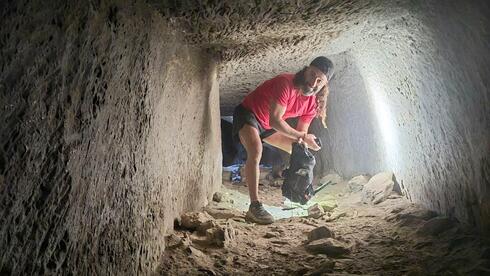
More than a month after the outbreak of war, with Israel under sustained missile fire, travel blogger Kobi Peled — known online as “Kuku Trip” — continues to run and hike across the country, combining trail running with caving and desert exploration even as much of the public remains close to bomb shelters.
Peled says the changing seasons, particularly the late spring bloom, have made it difficult for him to stay inside a mamad — a reinforced safe room found in most Israeli homes.
5 View gallery
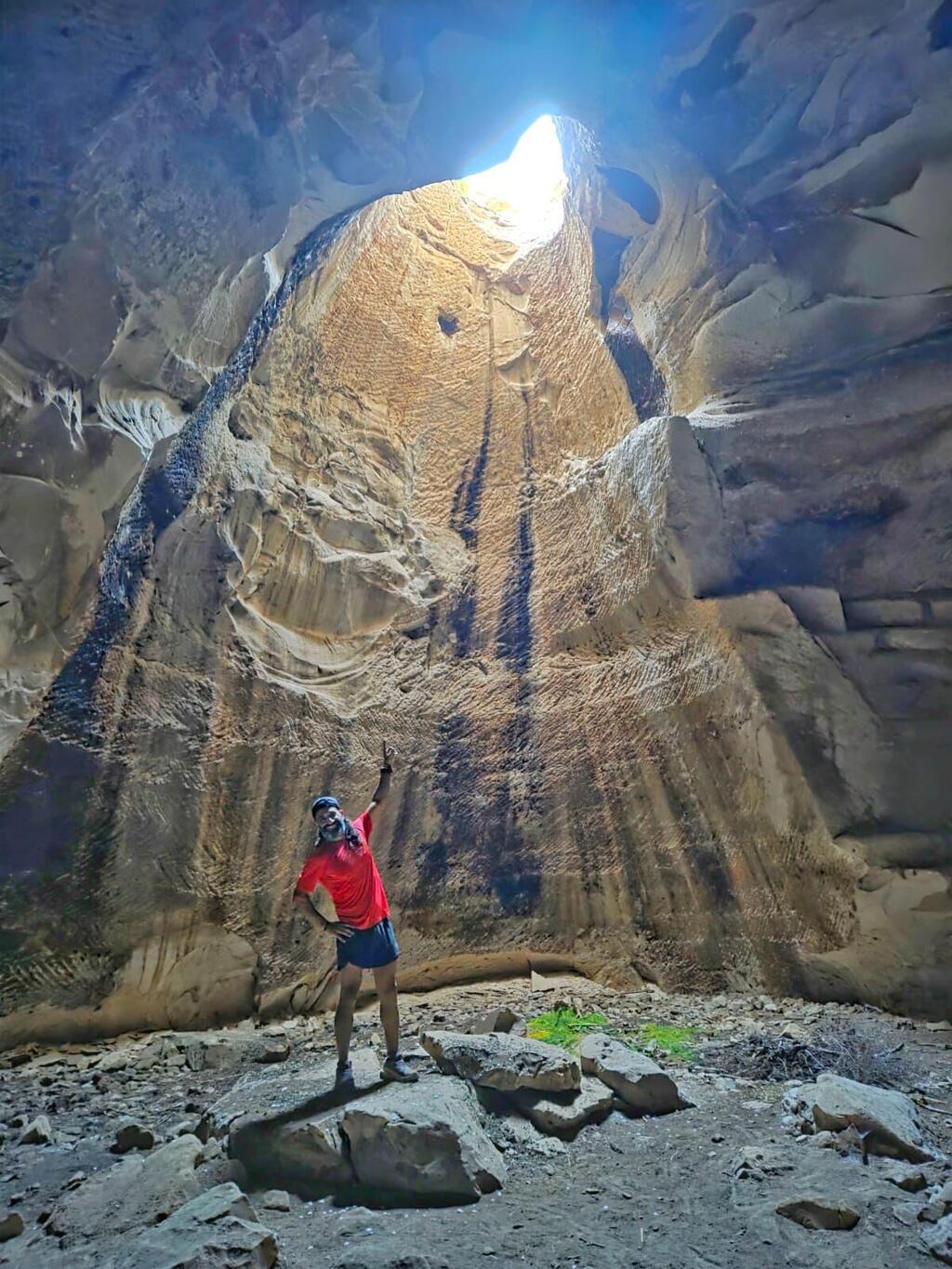
“The war broke out during the most beautiful time of year,” he told ynet. “In another month everything will already start turning yellow.”
The current conflict with Iran comes at a sensitive time for Peled, who is still recovering from injuries sustained last year during an encounter with terrorists in the West Bank. He is undergoing rehabilitation at Beit Halochem, a center for wounded Israeli veterans.
“My life is a bit chaotic,” he said. “Because of the war there are no in-person meetings and not many treatments. Traveling is my way of coping.”
Not everyone around him supports his decision to hike during wartime. “People express concern,” he acknowledged. “But overall they understand the idea.”
5 View gallery
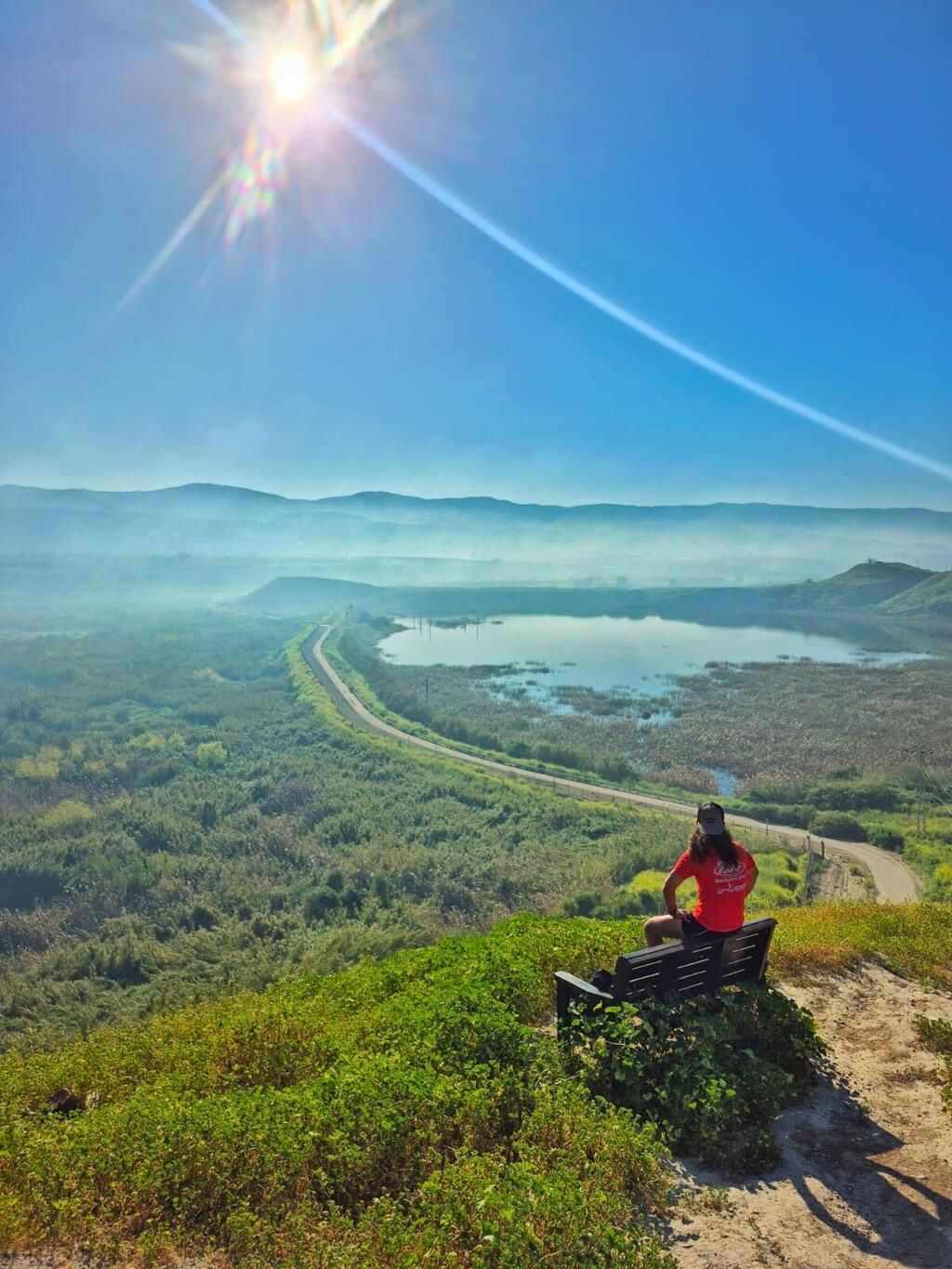
Peled says there are also unexpected advantages to traveling during the conflict. “Everything is quite empty. You feel more open, without crowds,” he said. “I check in advance where there are protected spaces. If there’s an alert, you figure out what to do — though you never really know.”
At times, the risks become tangible. “I’ve had to take cover in caves during sirens,” he said. “It’s not a real protected space, but it’s better than nothing.”
One particularly intense experience took place in the Gad Nature Reserve in southern Israel, near Lachish. While on a trail run with friends, Peled entered an unmarked cave system — a network of underground hideouts dating back to the Great Revolt against the Romans in the first century.
5 View gallery
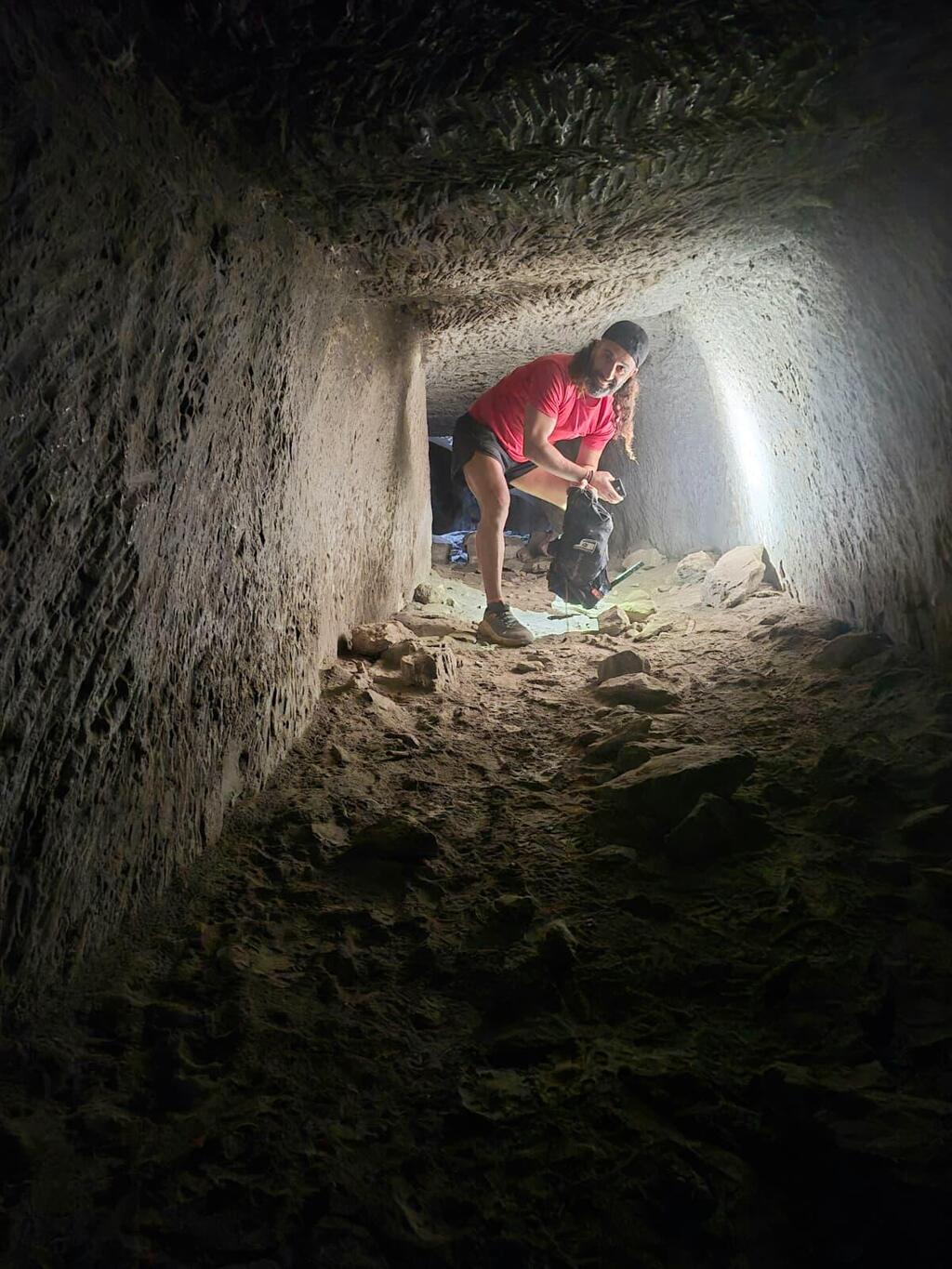
“There are lots of tunnels,” he said. “You move between underground rooms. At some point you reach a junction with four directions and you don’t know where to go.”
During the spelunking excursion, he lost his sense of direction. His friends remained outside, unaware. With no cellphone reception, he called out but received no answer.
“For about 20 minutes I had no orientation,” he said. “On paper that’s not long, but in a closed tunnel system during wartime, it feels very different.”
He described mounting claustrophobia. “You hear your own heartbeat. You’re underground, crawling, trying to get out and not succeeding.”
5 View gallery
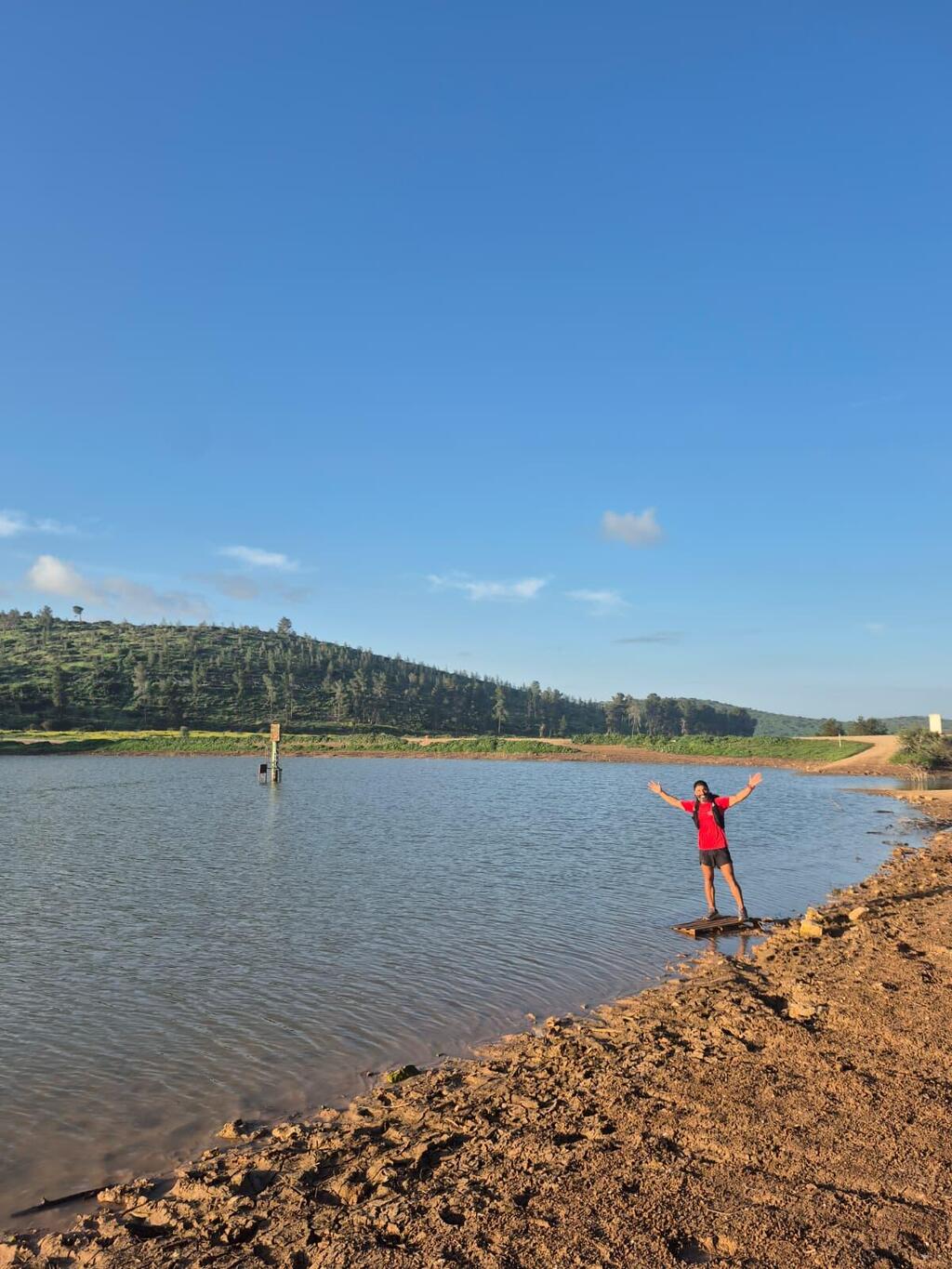
Drawing on experience, he forced himself to stay calm and retrace his path. “You have to think where you came from — reconstruct turns, stairs, rooms.”
When he finally emerged, the relief was immediate. “I missed light and air so much,” he said. “It gives you perspective. In that moment, there’s no war, no sirens — just you and your pulse.”
Despite the security situation, Peled has also sought out seasonal desert floods in the Negev. In late March, an unusual storm filled dry riverbeds, including Nahal Hatira, creating fast-flowing streams and rare water pools.
“It was incredible,” he said. “At the end of the season, when it’s already getting warm, suddenly everything is full of water.”
At nearby pools in the northeastern Negev, he encountered unusually cold conditions. “The water was freezing,” he said. “I went in, but it was very cold.”
5 View gallery
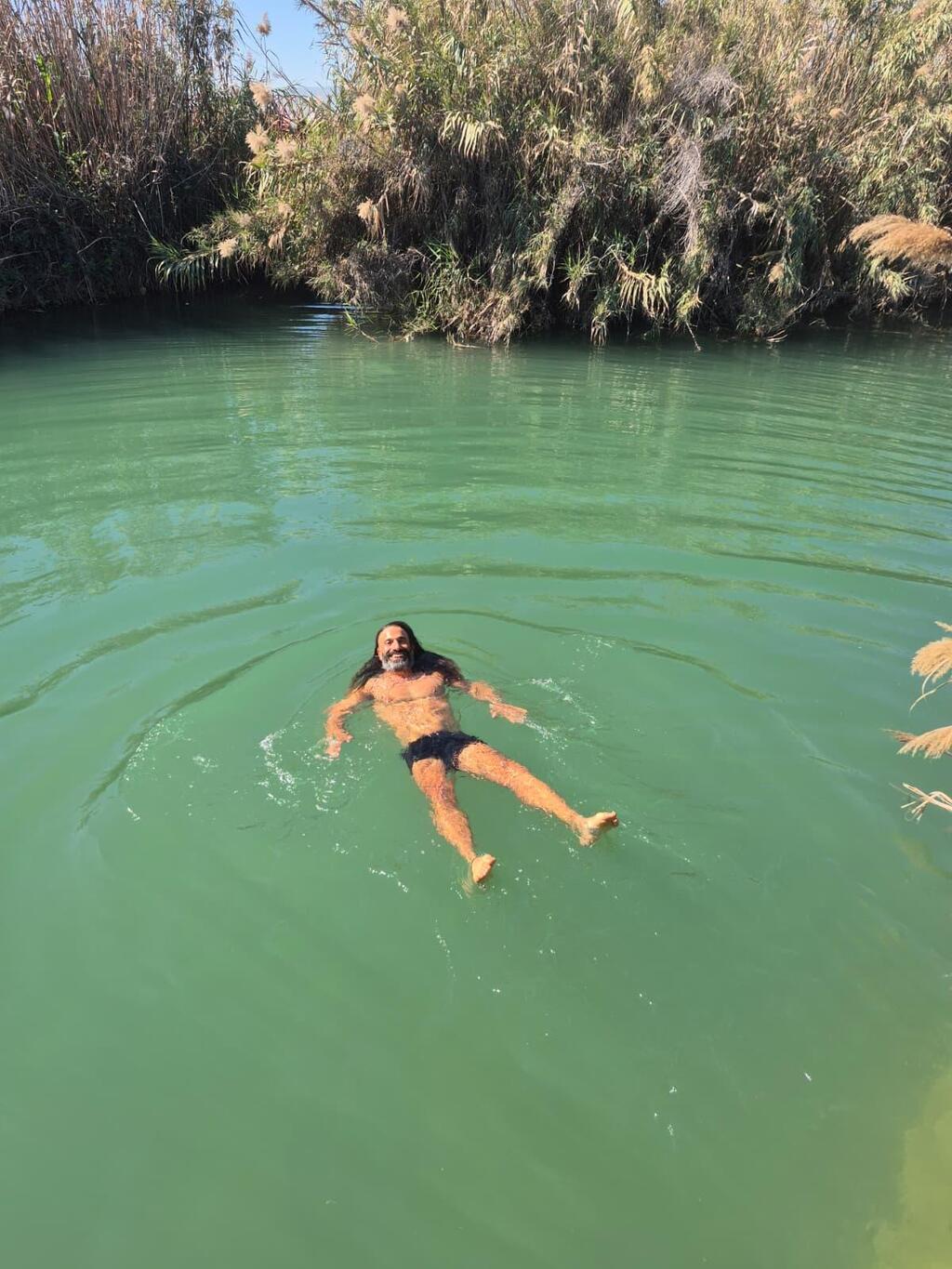
He noted that some of these areas are relatively quieter in terms of rocket fire, though he stressed he is not a security expert.
In the Beit She’an Valley near the Jordanian border, Peled described an unusual moment when a siren sounded — not in Israel, but across the border in Jordan.
“We were sitting at a lookout point near Tel Artal,” he said. “Suddenly there was a siren — in Jordan. It was very strange. We just stayed and kept looking at the view.”
Later, while visiting the Ein Nezem spring, sirens sounded again — this time in Israel — as missiles passed overhead. “We were less alarmed,” he said.
Despite the risks, Peled says the outings provide a sense of balance. “You come back more relaxed. It gives you a bit of sanity,” he said. “It’s still not pleasant to return home and go into the safe room — but at least you feel you did something with your day.”