
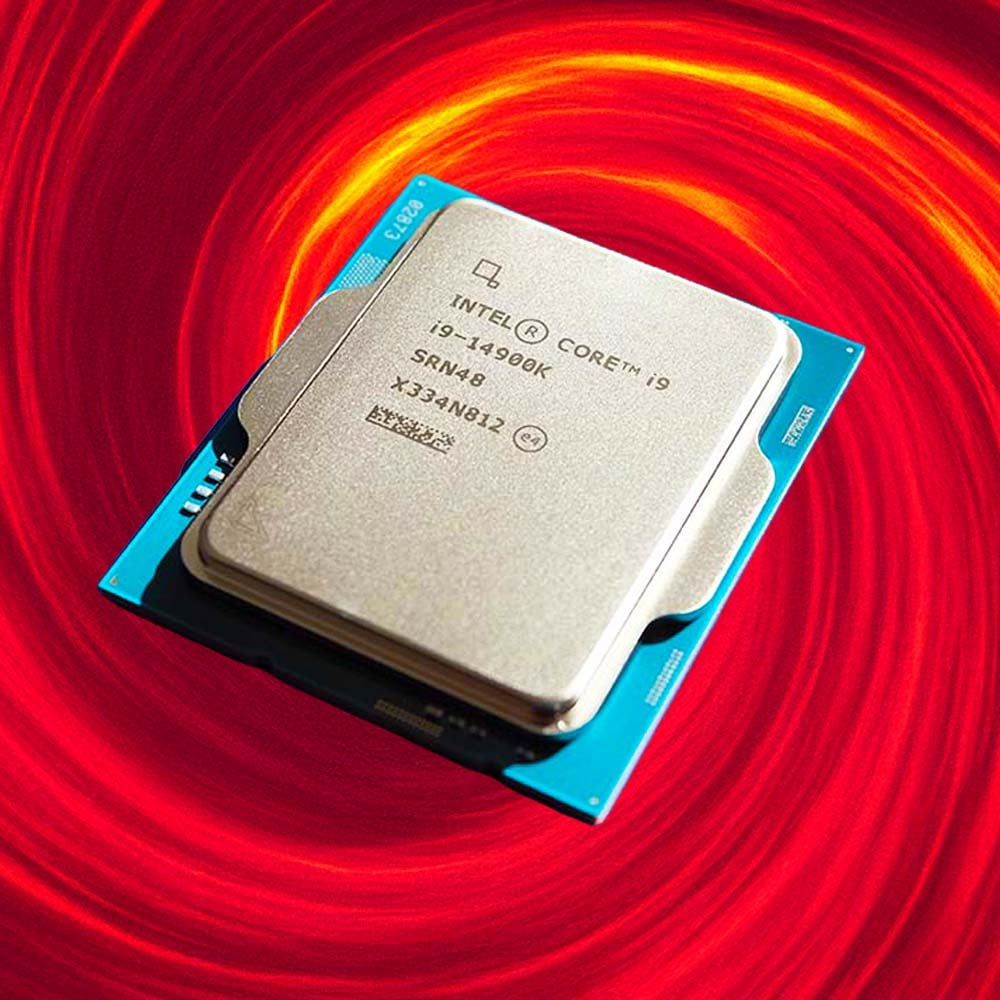
Intel may have only just released its latest Arrow Lake Refresh CPUs, but in the wake of outlandish DDR5 memory pricing, the company told us that its last-gen Raptor Lake CPUs are still a “big part of our strategy.” In an interview with Club386, we talked to Intel’s VP and GM of its enthusiast channel, Robert Hallock, about its strategy regarding DDR4-compatible CPUs, such as its Raptor Lake chips, to which he responded that Raptor Lake is “an extremely fast product and is not going away any time soon.”
While DDR4 RAM prices have also gone up, there are many users who still use DDR4-based systems, and they could reuse this RAM to save a substantial amount of money on their next CPU upgrade. In these times when DDR5 RAM prices have more than tripled, we’ve seen AMD’s Ryzen 7 5800X overtake 9800X3D in terms of sales, as upgraders look to buy CPUs that can use their old memory. AMD told us it’s looking at AM4 in response to the memory affordability crisis, so we asked Hallock whether Intel’s Raptor Lake chips, which support both DDR5 and DDR4, would get the same treatment.
Raptor Lake will continue to be abundantly available.
“Raptor Lake is a big part of our strategy – I want to be very clear about that,” says Hallock. “It’s still really, really good, even with multiple generations of hardware from other vendors coming after it, so it’s not going anywhere. I want people to understand that Raptor Lake will continue to be abundantly available.” We ask if that means we’ll see a boost in production of popular chips such as the Core i5-14600K, to which Hallock says he “can’t talk about supply or demand,” but he did hint at what might be to come in the motherboard world.
Hybrid DDR4/DDR5 motherboards
“You’ve also seen some new motherboard announcements that support both DDR4 and 5 on Raptor Lake, as kind of like a bridge between worlds for people,” says Hallock. “That is reflective of our overall confidence and expectations.” We have indeed spotted this trend, particularly when it comes to budget motherboards. For example, the ASRock H610M Combo II was launched in March and offers one DDR4 slot, as well as two DDR5 slots.
You’ve seen some new motherboard announcements that support both DDR4 and 5 on Raptor Lake… That is reflective of our overall confidence and expectations
That’s a bit of a weird setup, though, as it means you can’t run your DDR4 RAM in dual-channel mode. What we’d really like to see are some boards that offer two DDR4 slots and two DDR5 slots, perhaps with a Z790 chipset to boot. Could we see more of these hybrid motherboards arriving to build that bridge for upgraders?
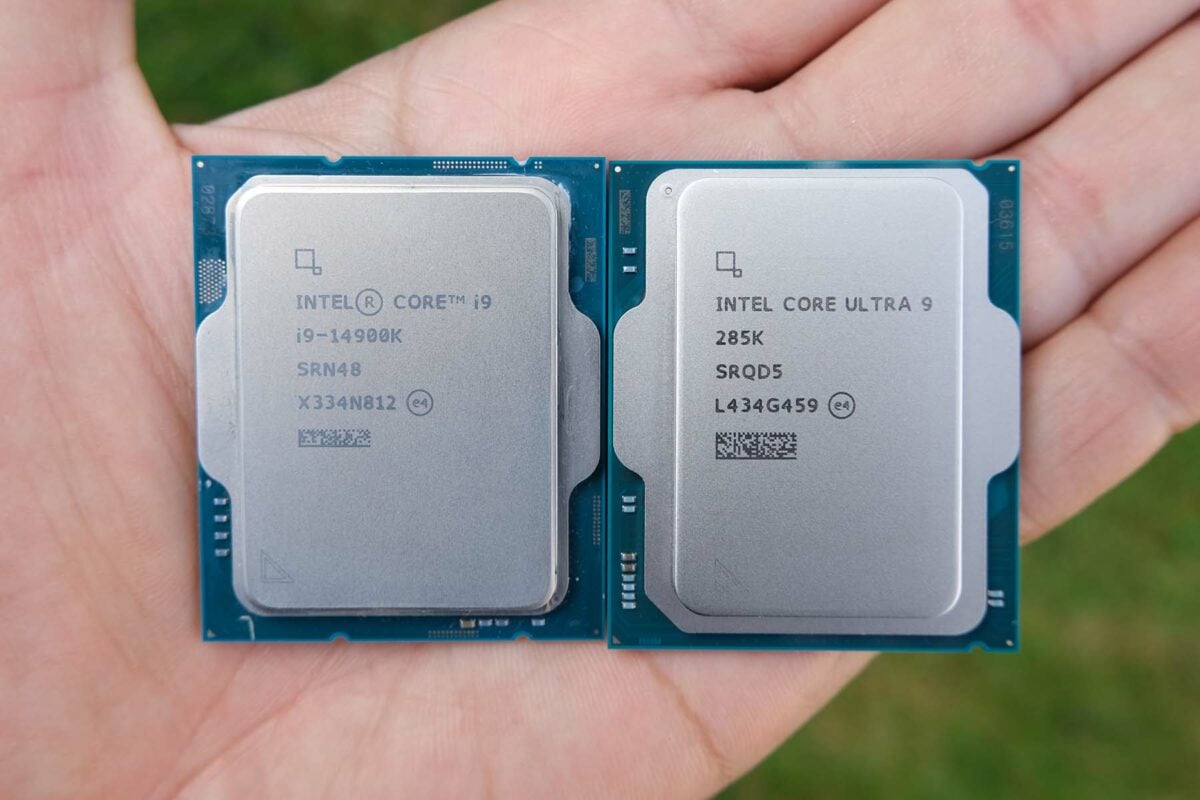
“It’s hard to say,” considers Hallock. “For a lot of motherboard makers, it comes down to where they want to play and what their opportunities are.” As an example, he asks, “Is there a segment of the market that some of the bigger motherboard ODMs [original design manufacturers] are not serving that a smaller, scrappier player could come in and fill with a unique board design? You know, I can’t speak for their business plans. But that is one example of what we’re seeing in the market.”
What we’re taking from all this is that Intel is clearly aware of the situation with RAM prices, and that there’s still a lot of demand for CPUs that support DDR4 memory – it looks as though Raptor Lake is still going to be around for a good while yet. We’ve listed the Core i5-14600K in our guide to buying the best DDR4 CPU, but it’s increasingly hard to find in stock, particularly at a reasonable price.
Hopefully, we’ll see that situation change over the next few months, with both Intel and AMD providing decent stock of DDR4-compatible CPUs. We really like Intel’s new chips, such as the Core Ultra 7 270K Plus, but it’s a hard sell when 32GB of RAM costs more than the CPU itself. If you do already have some DDR5 RAM handy, and you’re looking to upgrade your processor, check out our guide to buying the best CPU, so you can find the right chip for your needs and budget.