
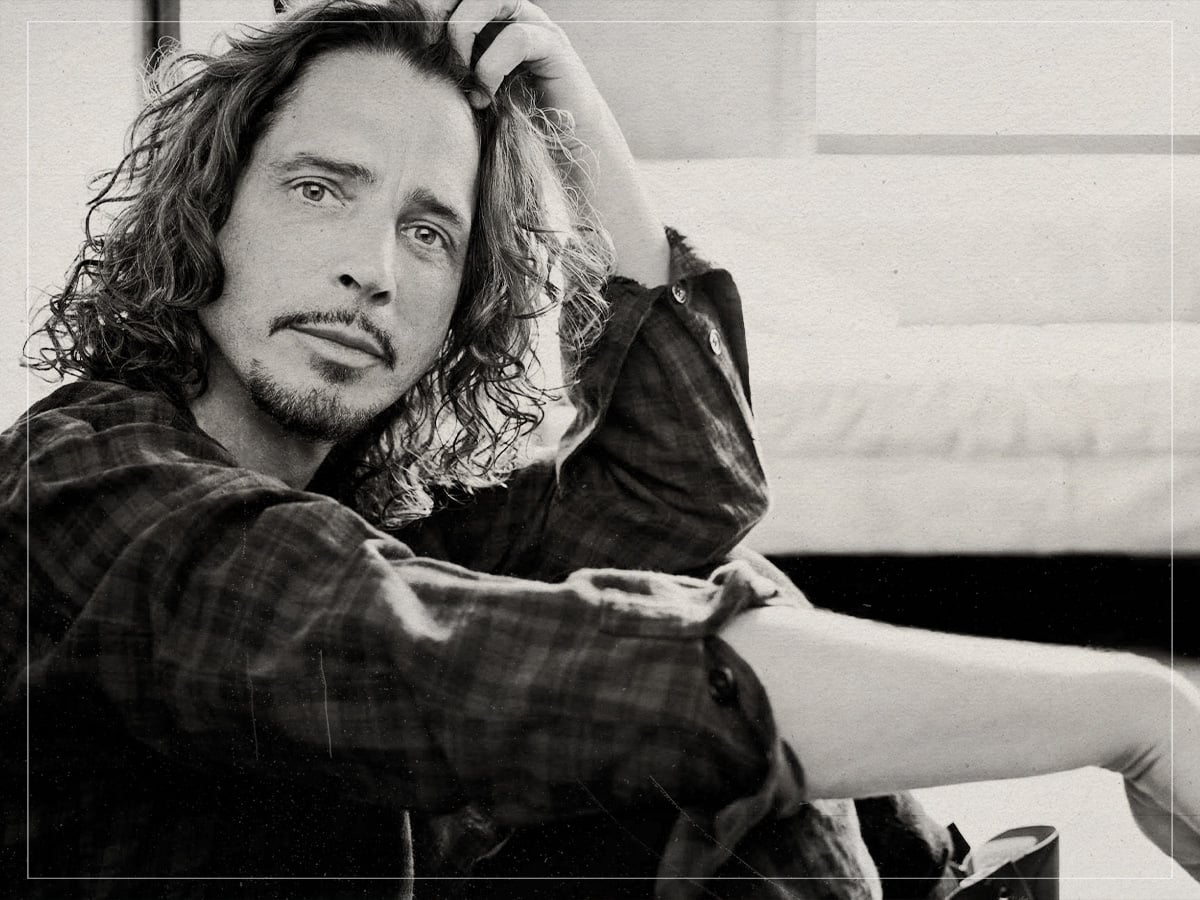
(Credits: Far Out / Chris Cornell)
Sun 5 April 2026 21:15, UK
The journey that Chris Cornell took to become a rock and roll god wasn’t something that he envisioned on paper.
He liked the idea of playing to a lot of people who loved to hear his music, but when Seattle was first starting to become one of the biggest cities in rock and roll, none of the bands was exactly prepared to become legends. They were simply making music for themselves every time they worked, and while Cornell had a lot of influences that brought him to Soundgarden and Audioslave, he felt that some of the greatest muses for him were the ones he saw every single day.
Because when you think about it, the Seattle scene was like one big musical family a lot of the time. It wasn’t uncommon for bands to swap members without a care in the world, and even when one band got bigger than another when the 1990s kicked in, none of them seemed to harbour any ill will towards each other, other than Kurt Cobain’s brief spat with Pearl Jam at the beginning of his career.
But Pearl Jam wasn’t supposed to have the kind of career they ended up with. They had formed out of the ashes of Mother Love Bone, and while Stone Gossard and Jeff Ament didn’t exactly need to change their style, there was never a chance that anyone could have replaced what Andy Wood could do. He was a natural performer, but he was a sad case of a star that burned way too brightly for far too brief a time.
Even though Cornell is looked at like the resident rock god of Seattle, Wood had ten times more charisma than anyone in the city. He was only playing small clubs throughout his career, but he would headline every single one of them as if he was playing Madison Square Garden, so to see that same person be struck down by a heroin overdose before their debut album even came out cast a dark shadow over Seattle before anyone had even seen the big time.
So when Cornell finally became one of the biggest names in music, he wanted to do everything he could to keep a little piece of Wood with him, saying, “I don’t know if you can ever take him out of [my heart and soul]. There was a period of time when he would sit in his bedroom across the hall from mine and we would kind of have these dueling four-track demos and songs. He wasn’t doing it for Malfunkshun and me doing it for Soundgarden; it had nothing to do with that. It was us just having fun.”
Hell, half the reason why people first recognised Cornell was because of his involvement with Temple of the Dog, so it wasn’t like he didn’t wear Wood on his sleeve. The whole album was meant to be one long tribute to the man that had more passion than anyone else in the city, and even though that record did pave the way for Pearl Jam by being the first appearance of Eddie Vedder on a record, Soundgarden was happy enough to be writing songs to air out his grief on tunes like ‘Say Hello 2 Heaven’.
And Vedder didn’t take a second of his time in the spotlight for granted afterwards, either. He never knew Wood personally by any stretch, but when the band was in the mood to celebrate their roots, Vedder would happily throw in some of Wood’s songs like ‘Crown of Thorns’ whenever they played some of their bigger shows. After all, he was the replacement in one sense, and he was singing those songs for Wood since he couldn’t play those massive shows himself.
But beyond being one of the most engaging members of the Seattle community, the real power that Wood had was his self-belief in himself. He made everyone else believe that they could become the biggest band in the world, even out of the Pacific Northwest, and although he didn’t get the payoff that he deserved before he died, no part of the Seattle grunge movement would have happened without him.
