
Climate change can feel like an insurmountable issue, but we aren’t as alone in fighting for our planet as we think. Scientists are constantly creating new technology to slow or repair the damage our warming climate causes.
These breakthroughs can happen across disciplines, from engineering to manufacturing, and can be used in locations from space to the ocean. They might seem small on their own, but these innovations push our efforts to protect our planet forward. Here are some of the inventive ways people are fighting against climate change that you might have never suspected.
Protecting the Coral Reefs with Light and Food
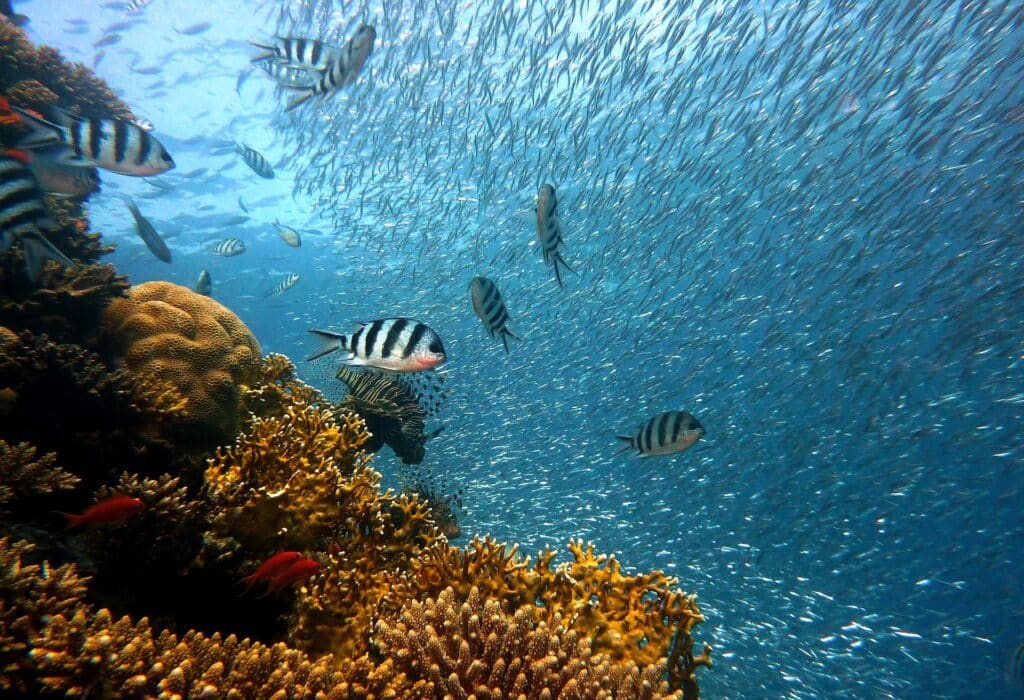
As oceans warm and further damage coral reefs, a process called coral bleaching, scientists have found ways to help coral build resistance to the negative effects of warming water. Their solution? Food.
The more food that coral eats, the higher the chance it can survive rising temperatures and bleaching. Coral consumes zooplankton, a microscopic organism found in oceans. In early 2025, scientists created a tool that increases coral’s feeding opportunities, thereby helping its heat resistance.
This device, called the Underwater Zooplankton Enhancement Light Array or UZELA for short, is an autonomous underwater light that draws in nearby zooplankton for coral to eat. The study found that running the device in a location for just one hour a night increased local coral feeding rates by 10 to 50-fold, compared to areas without the device. It helped strengthen both healthy coral and already bleached corals by bringing its food closer.
These efforts are important because coral reefs are vital to keeping erosion at bay, sustaining the fishing industry, and generating tourism. The Great Barrier Reef, for instance, is home to 1,625 species of fish, and even more crustaceans, turtles, rays, and other sea creatures.
PULLQUOTE: [“The real intent of this project is to inject new technology and energy into coral restoration success. It’s something that can be deployed strategically for high-value reefs, or projects that have already had a lot of investment in them.”] — Andrea Grotti, professor of Earth Sciences at Ohio State University
Battling Deforestation … from Space?
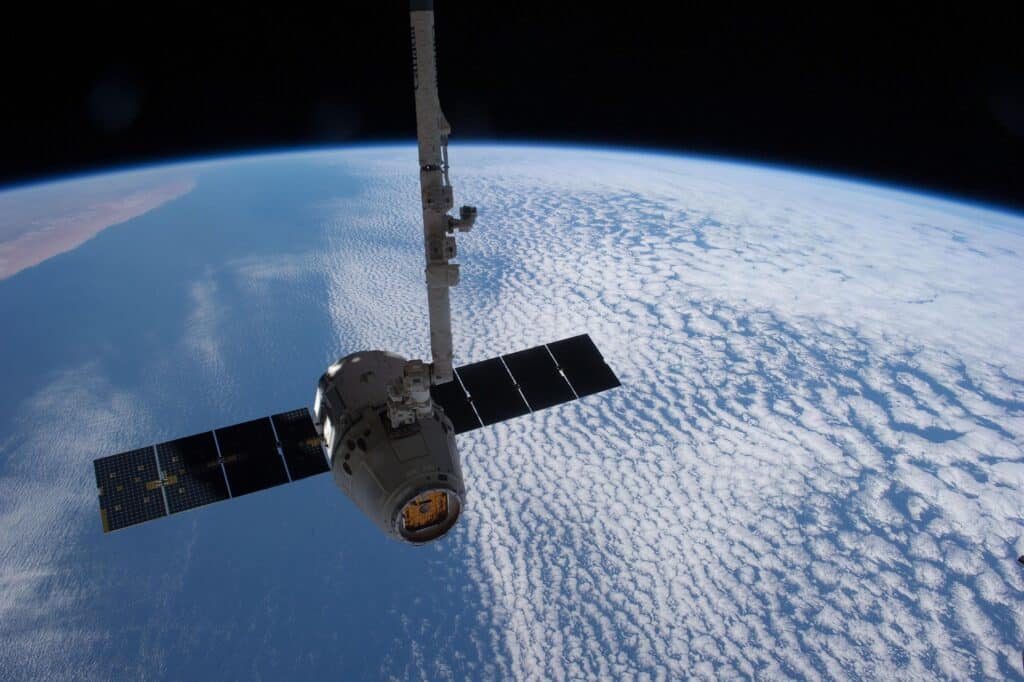
Losing trees affects many aspects of our planet’s health, from losing animals habitats to even contributing to climate change. Trees remove carbon dioxide from the air and since it’s a greenhouse gas that warms the earth, taking trees away limits a natural deterrent against a warming atmosphere. There are ways to fight it though, satellites for instance have long been used to monitor rainforests and identify where illegal deforestation is happening.
However, traditional satellites can’t take pictures through clouds, which often cover rainforests. This makes it hard to track deforestation in real time, and by the time authorities can get images, sometimes the perpetrators are already gone.
But now satellites are using radio waves that can take pictures through the clouds.
The European Space Agency’s Copernicus Sentinel-1 mission consists of two satellites orbiting the Earth. It uses Radar for Detecting Deforestation, called RADD, to capture images that are nine times more detailed than traditional satellites. It’s so specific it can detect changes on an almost tree-by-tree scale. Now, the Global Forest Watch compiles the satellite data so anyone can see data on the world’s tree coverage. Simply click on different countries to get a visual overview of tree cover, biodiversity, and the different types of forests growing around the world.
Solar Power Is Getting Cheaper and Cheaper
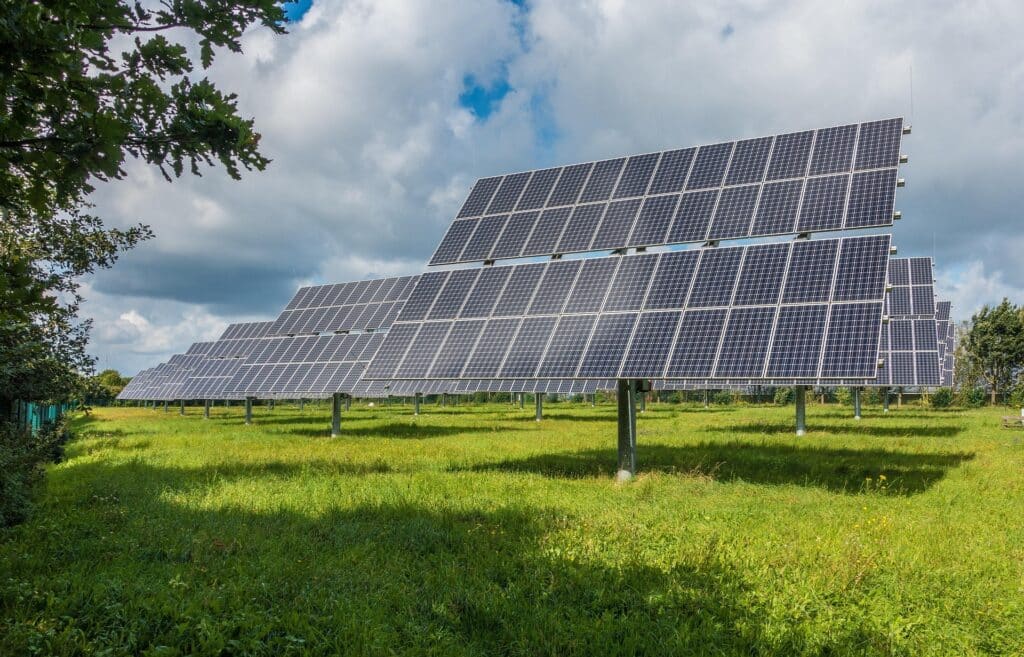
If there’s one surefire way to fight against fossil fuels, it’s to make renewable energy sources as cheap and practical as possible. Luckily, solar panel prices have only been dropping, and it’s all thanks to technological advancement.
As engineers improved the design of solar panels, the total cost to make one also dropped. In 1975, a single solar panel watt cost almost $130 in today’s money, while in 2024, that same watt was less than $0.30. By 2023 solar panels had grown so efficient that it only took a year for a solar panel to generate the same amount of energy that was used to create it.
On top of that, creating solar panels themselves is also becoming more environmentally friendly. While producing aluminum for a solar panel’s frame results in a large carbon footprint, using renewable-generated electricity to power the smelters is one of several ways to decrease that carbon impact.
In the same vein, aluminum is highly recyclable, and the process uses only 5% of the energy required to make new aluminum. Not only is solar a key energy player in battling climate change, but every step of making solar panels is being carefully looked at to reduce its impact on the environment.
Fighting Fire from the Sky

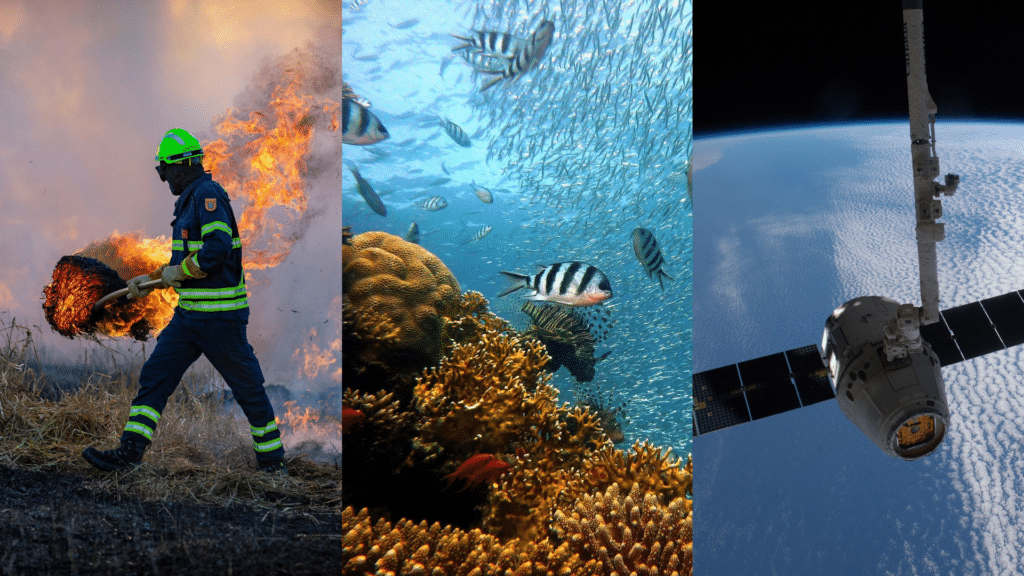
There are roughly 60,000 to 80,000 wildfires each year in the United States, a number that’s stayed steady for the past four decades. Yet, in 2023 fires in the US cost over $23 million in losses, up from $18.8 million the year before. To combat wildfires, firefighters are using new technology to scope out the spreading flames.
The Fire Urgency Estimator from Ground to Orbit, or the FUEGO project, started by Berkeley physicist Carlton Pennypacker, is one of these new types of technology. It has the potential to revolutionize wildfire fighting by providing real-time data on how and where a wildfire is spreading.
FUEGO will rapidly identify wildfires and track their motion across the U.S., specifically scanning high fire-risk Southern California every 30 seconds. This gives firefighters rapid, up-to-date data on its location. Pennypacker’s team has already created a prototype of the technology, which they outfitted on spotter planes as a test run. It cross referenced data on humidity and wind speed to prove its effectiveness in battling wildfires.
PULLQUOTE: [ “The costs associated with research, development, and implementation of FUEGO would likely be paid for many times over (perhaps even in its first year of operation) through the system’s capability to detect wildfires in their incipient stages, report them to the relevant fire agencies, and provide valuable data to responding firefighting systems.”] — Carlton Pennypacker, astrophysicist at the University of California, Berkeley
There’s a long way to go, but we can all do our part
Researchers at the top of their fields are working constantly in tandem with technology to fight climate change, but there’s ways you as an individual can also help.
Getting active in organizations like EARTHDAY.ORG helps amplify your voice with like-minded individuals concerned on how to prioritize our planet’s health. On top of that, consider using our Climate Education resources to become your own expert in everyday sustainable living, since saving our planet isn’t just a job for scientists.
Whether that’s making a composting system, learning how to plant a garden for local pollinators, or coming out for Earth Day 2026 in April, it’s also important for you to step up in whatever way you can.
This article is available for republishing on your website, newsletter, magazine, newspaper, or blog. The accompanying imagery is cleared for use with attribution. Please ensure that the author’s name and their affiliation with EARTHDAY.ORG are credited. Kindly inform us if you republish so we can acknowledge, tag, or repost your content. You may notify us via email at [email protected]. Want more articles? Follow us on substack.