
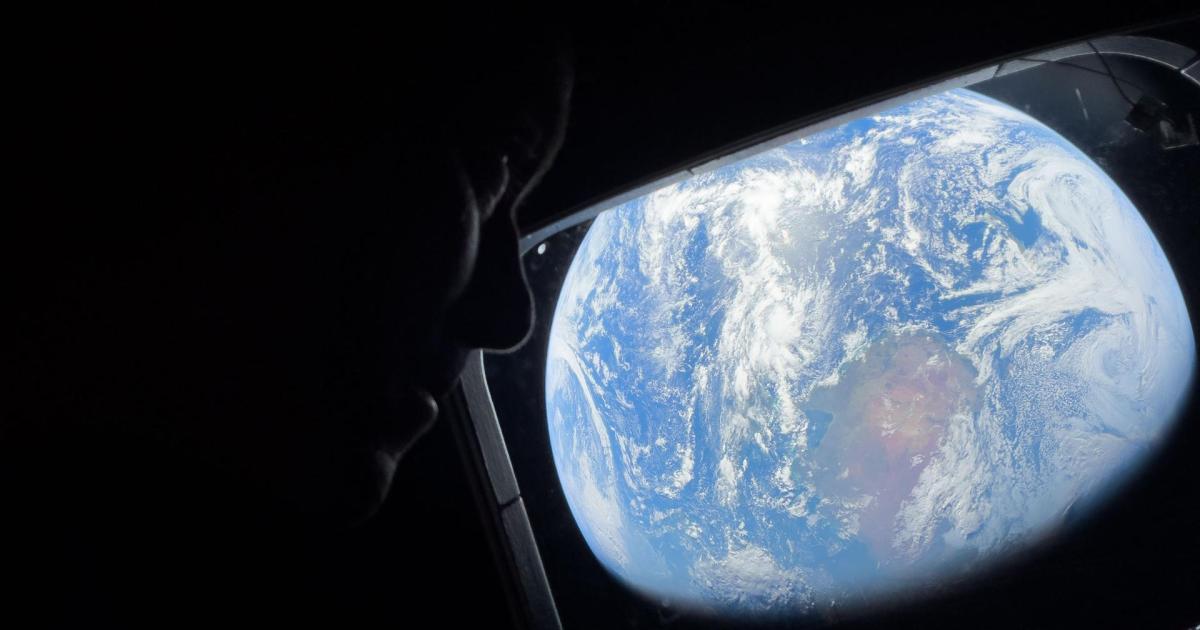
Until April of 2026, only 24 astronauts had ever left low-Earth orbit.
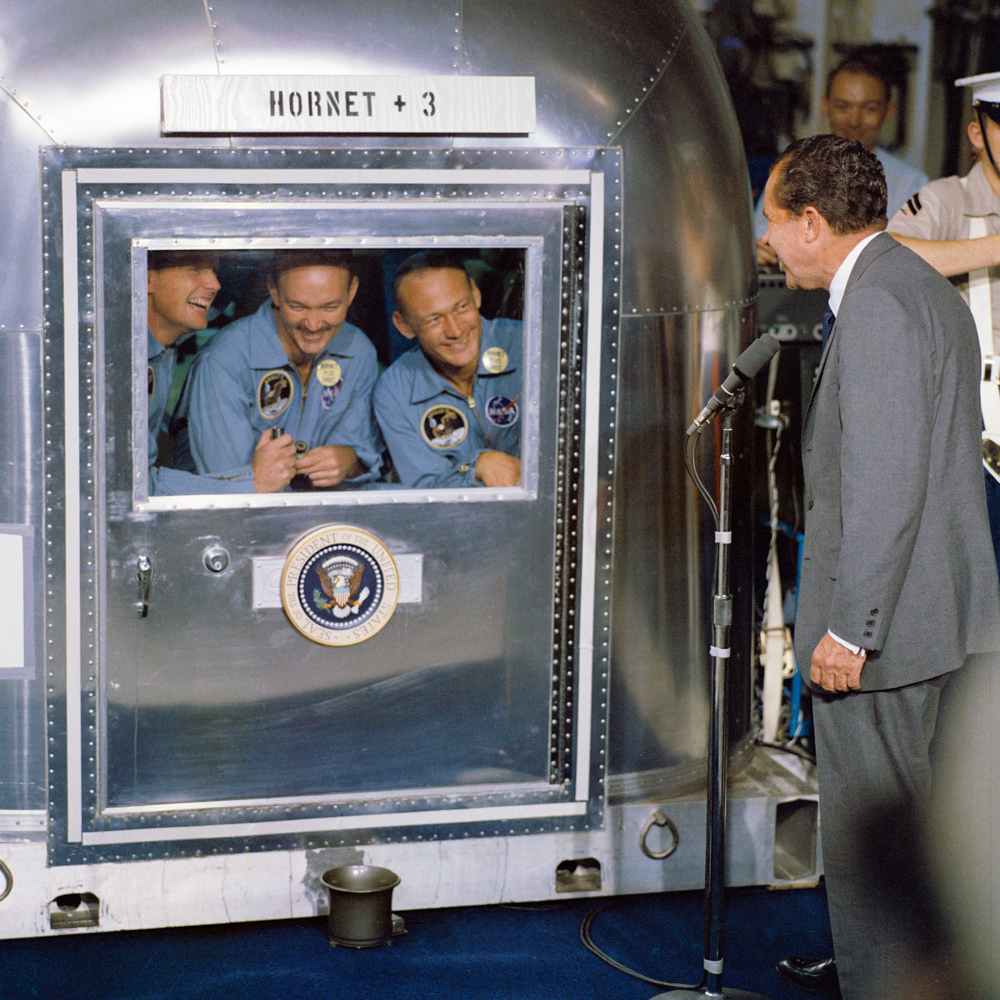
The Apollo 11 crew, after safely returning to Earth from their historic voyage to the Moon, are shown in the Mobile Quarantine Facility alongside then-President Nixon. All 24 astronauts who journeyed to the Moon as part of the Apollo program, either orbiting or landing on it, were safely returned to Earth.
Credit: NASA/JSC
In 1968, Apollo astronaut Bill Anders — one of the first — captured this iconic photograph.
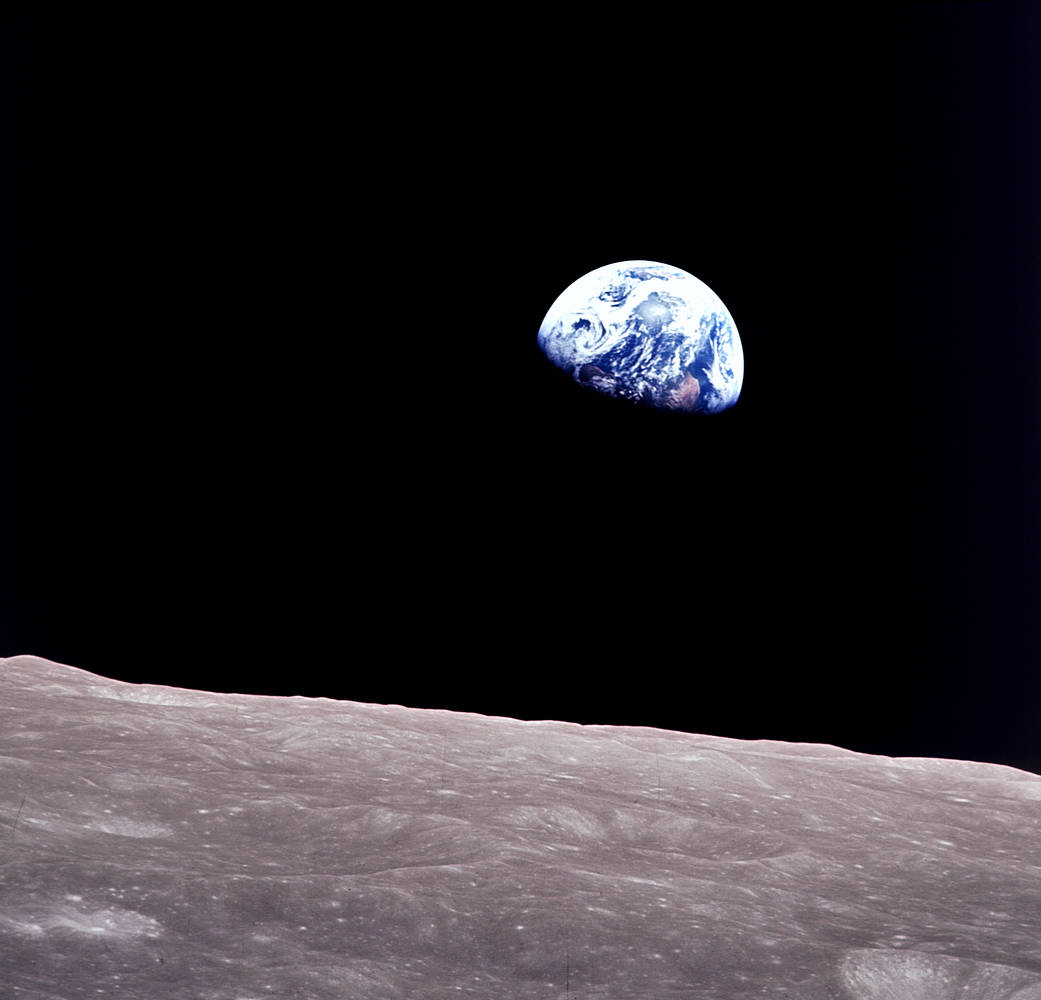
This photograph, taken aboard the Apollo 8 mission and simply dubbed “Earthrise,” has often been called the most environmentally impactful photograph in human history. Its taker, Bill Anders, remarked, “When I looked up and saw the Earth coming up on this very stark, beat-up Moon horizon, I was immediately almost overcome with the thought, ‘Here we came all this way to the Moon, and yet the most significant thing we’re seeing is our own home planet, the Earth.’”
Credit: NASA/Apollo 8
In 1972, humans journeyed to the Moon for the 9th time: aboard Apollo 17.
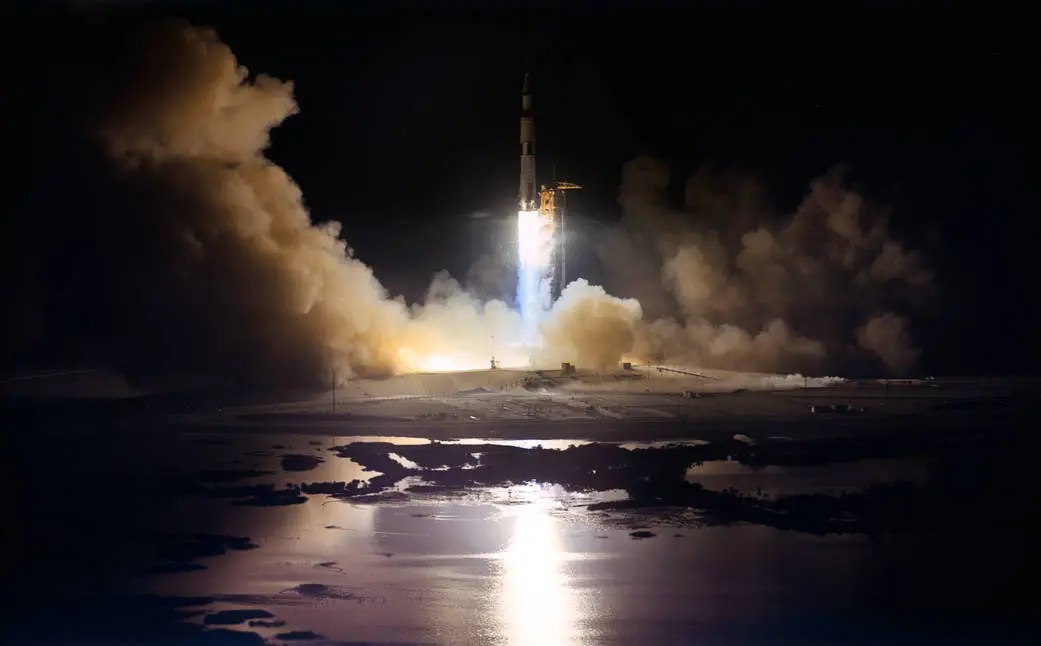
The launch of Apollo 17, the 8th and final crewed mission that would go to the Moon as part of the Apollo program, was also the first nighttime liftoff of a Saturn V rocket, occurring on December 7, 1972.
Credit: NASA
Their “blue marble” image represented humanity’s best-ever view of the full Earth.
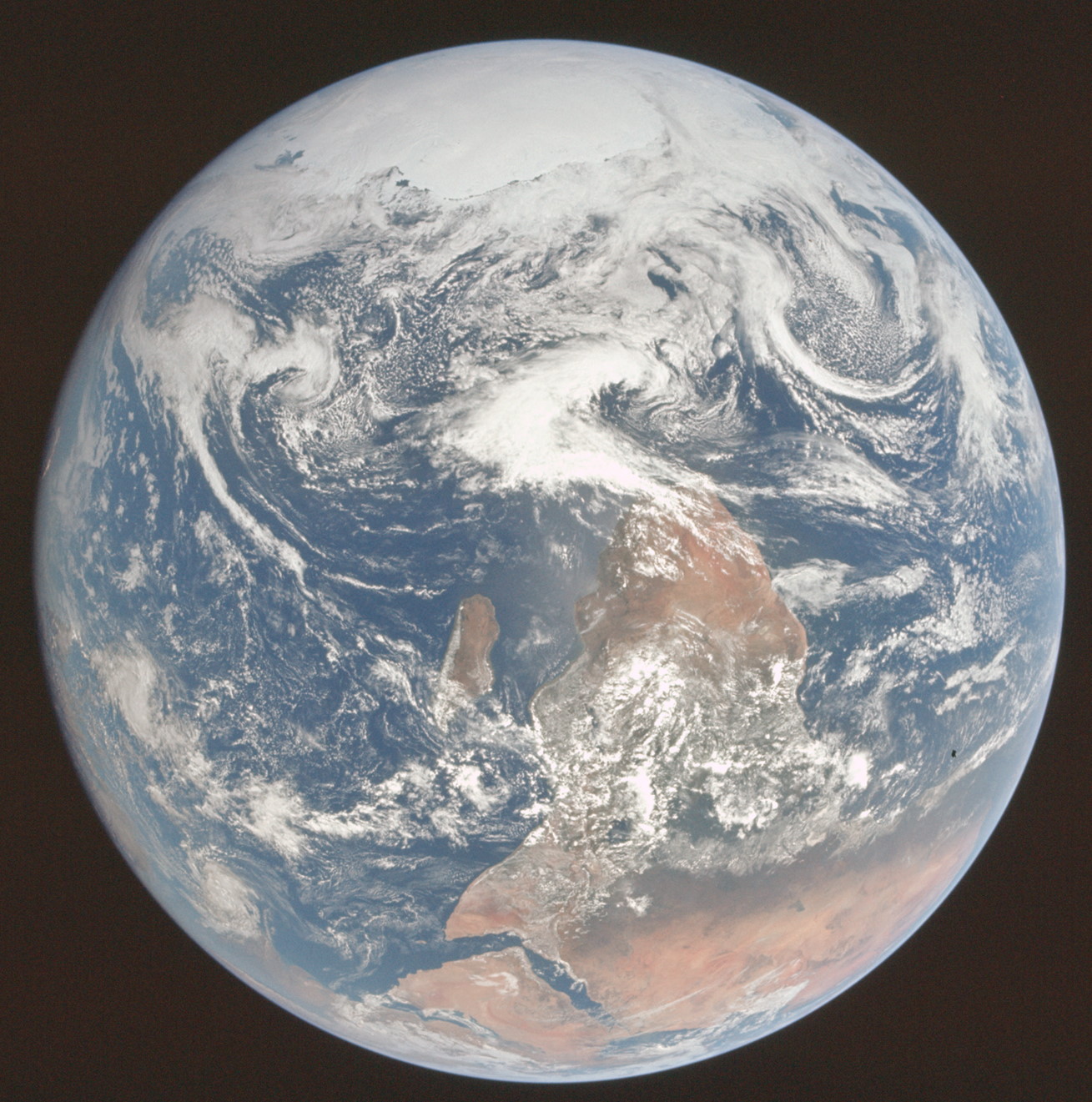
The original “Blue Marble” image, from Apollo 17, was actually snapped in the orientation shown here: where south is at the top and north is (invisibly) on the other side of the world. This image is now more than 50 years old, as humanity has transformed our planet in a myriad of ways both leading up to, and since, this image was obtained.
Credit: NASA/Lunar and Planetary Institute
With Artemis II, humanity’s lunar story now continues.

On April 1, 2026, four humans launched aboard NASA’s Space Launch System rocket, which carries the Orion spacecraft: the Artemis II mission. Its 10 day journey marks the first time humans have gone to the Moon since 1972’s Apollo 17: a 54 year gap.
Credit: NASA/Bill Ingalls
April 1st’s successful launch set up a rendezvous with the Moon.
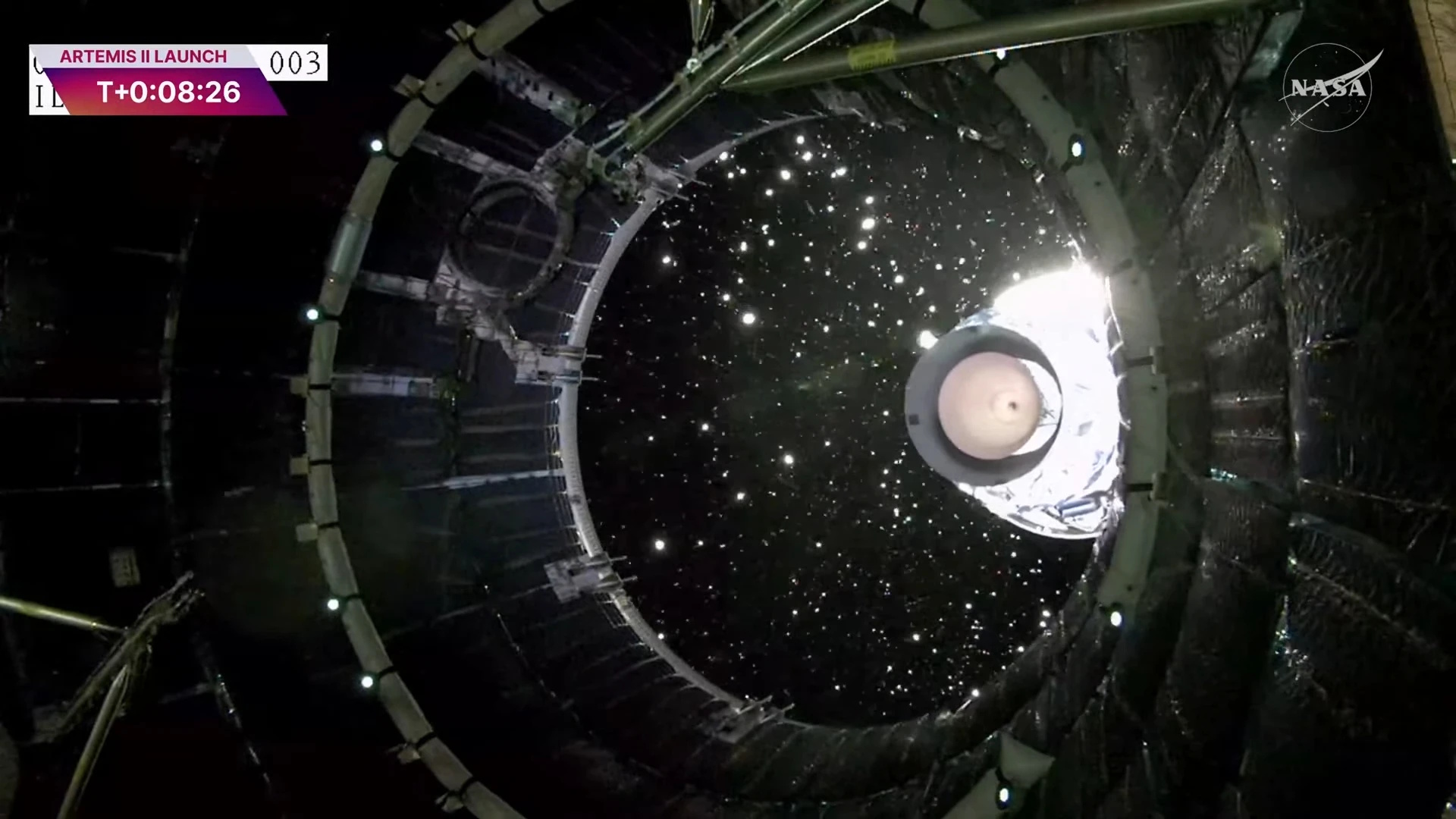
Approximately 8 minutes and 20 seconds after Artemis II’s liftoff, the core stage separation occurred, releasing the Orion capsule that carries the astronauts from the final stage of the main rocket. A camera aboard the rocket captured this photograph, which doesn’t show an array of glittering stars, but rather ice crystals: a consequence of hydrogen, oxygen, and water vapor crystallizing into the solid phase (and reflecting sunlight) when exposed to the vacuum of space.
Credit: NASA/Artemis II launch live stream
Four astronauts, including the first black man and the first woman, comprise the first crewed lunar mission in 54 years.
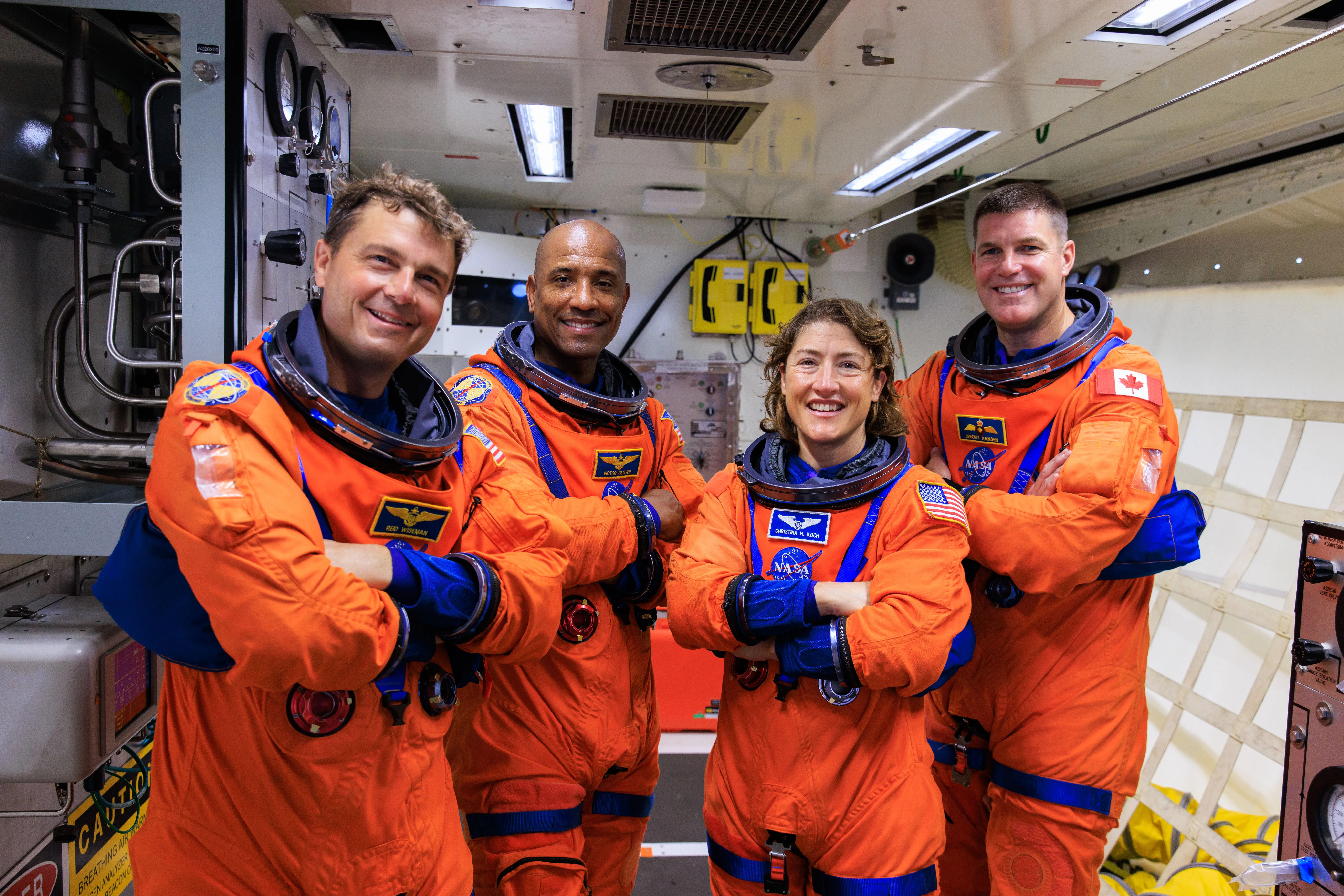
From left: NASA Astronauts Reid Wiseman (commander), Victor Glover (pilot) Christina Koch (mission specialist), and Canadian Space Agency astronaut Jeremy Hansen (mission specialist) pose for a photograph during a ground test nearly three years prior to the launch of Artemis II. These four humans are the first in the 21st century to travel beyond the confines of low-Earth orbit.
Credit: NASA/Frank Michaux
They’re seeing lunar features that no human eyes ever have, like Mare Orientale.
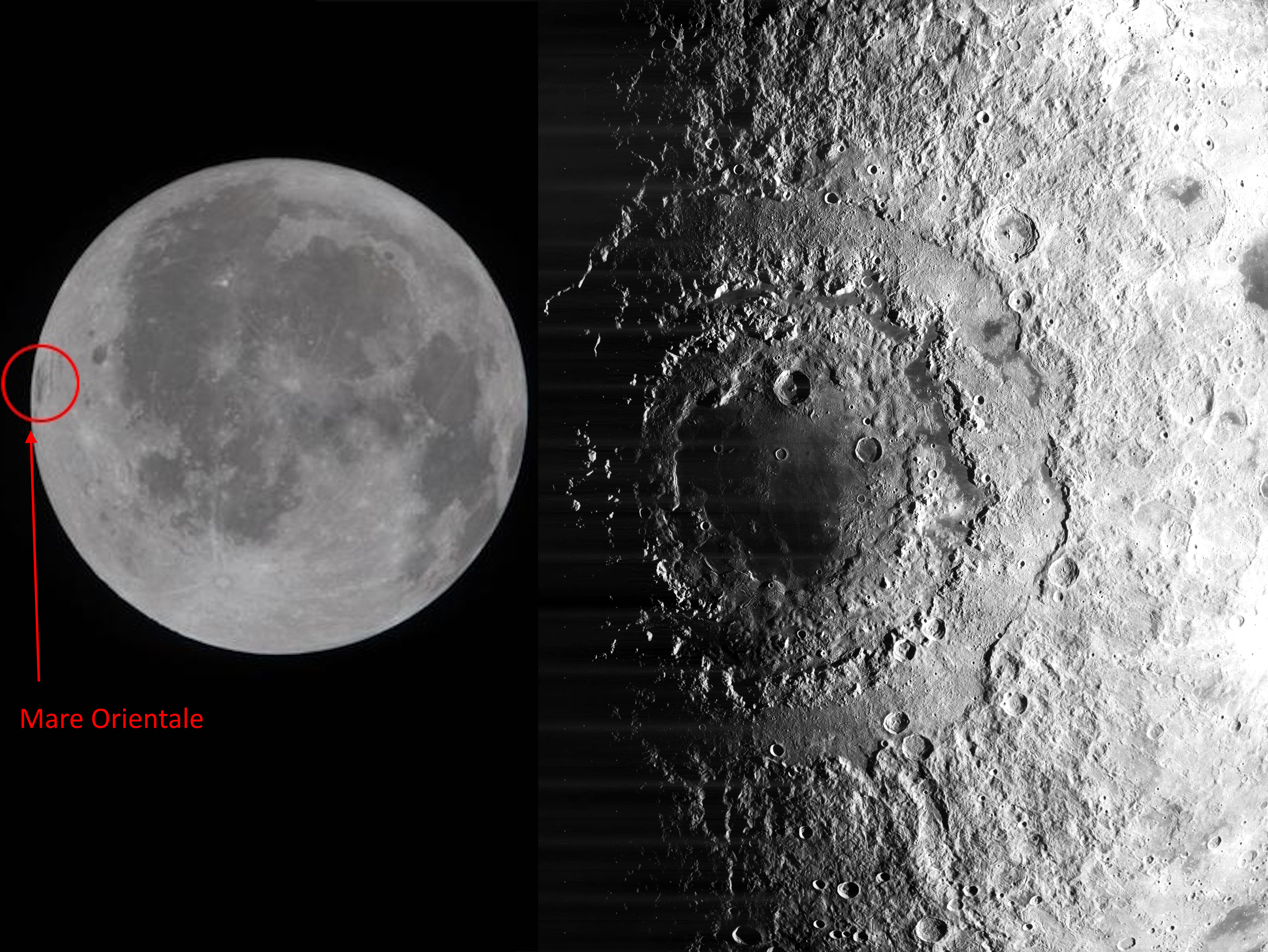
A view of the Moon from Artemis II (left), showing the location of Mare Orientale in its entirety (which cannot ever be seen fully from Earth), along with a 1967 image by the Lunar Orbiter 4 spacecraft (at right) showing the concentric-ringed crater from up close.
Credit: NASA
But the most important thing they’ll discover remains, as Anders noted, the Earth.
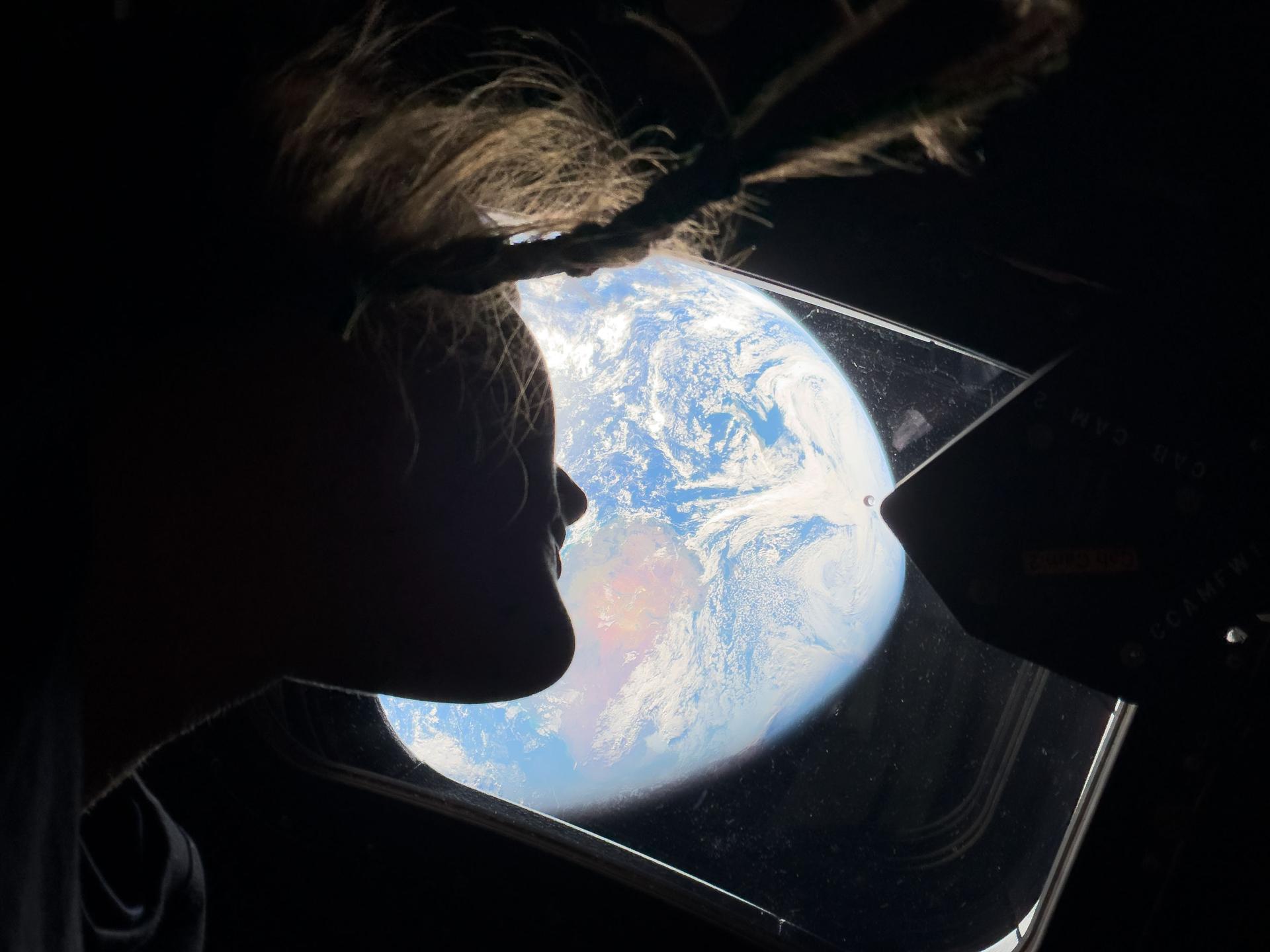
Astronaut Christina Koch, aboard the Artemis II mission, becomes the first woman to leave low-Earth orbit during this April 2026 mission. The illuminated portion of the Earth can only be captured, as seen in this photo, from several thousand kilometers away from the Earth: beyond the confines of low-Earth orbit.
Credit: NASA
Much has changed since 1972, as this mission highlights.
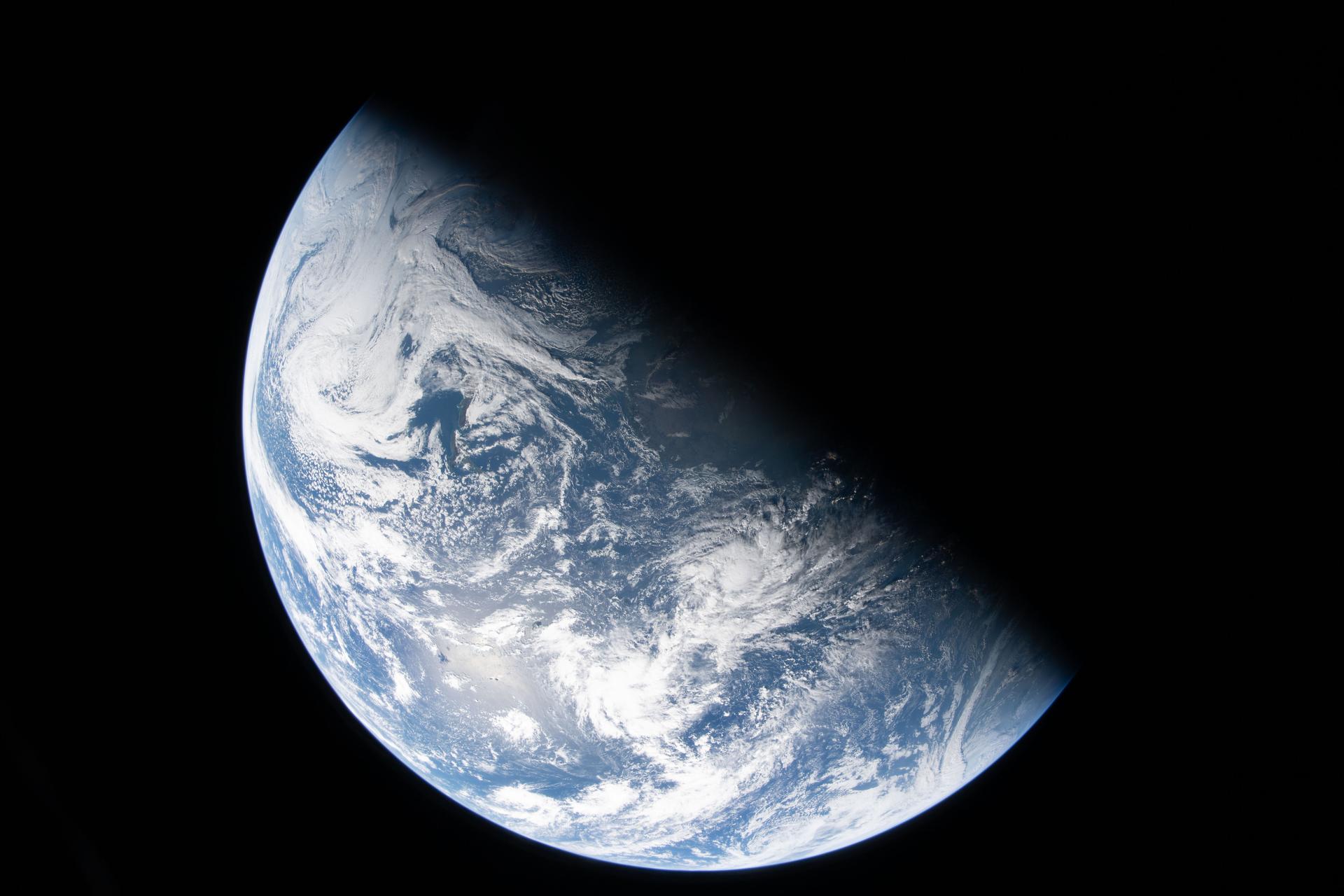
The last time humans were outside of low-Earth orbit and photographing our planet was 1972: back when there were only 3.8 billion of us and a total of around 200 artificial satellites. Today, in 2026, there are an estimated 8.3 billion humans, and around 15,000 active satellites: numbers that both continue to grow.
Credit: NASA
Our cameras are much higher quality, revealing remarkable, novel details.
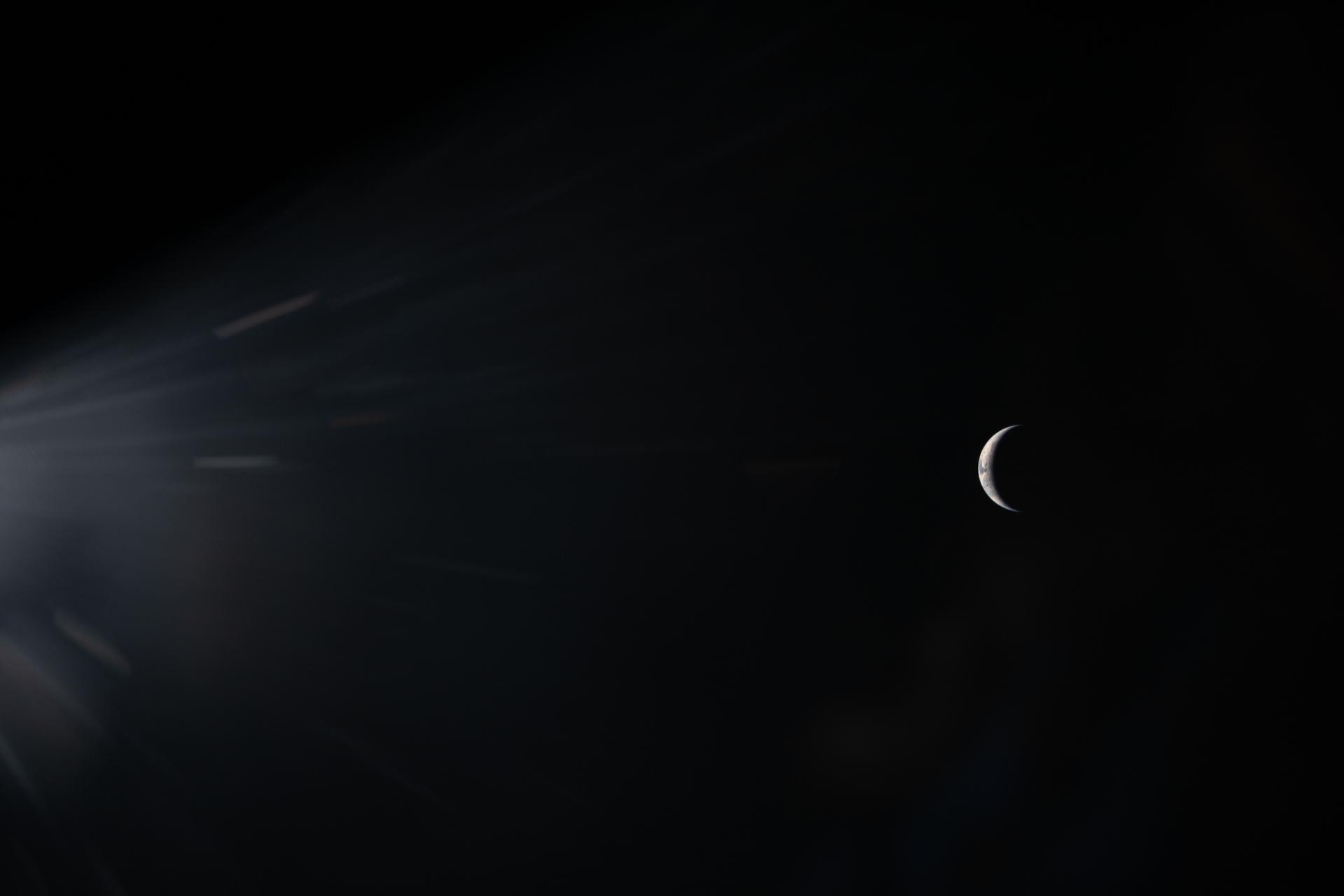
This view of the crescent Earth at night, with the Sun off-screen to the left, showcases how small and fragile our planet Earth is: floating in the lonesome abyss of space, completely dependent on the Sun for light, life, and its energy needs.
Credit: NASA
We can see the Earth at night, including the prodigious effects of light pollution.
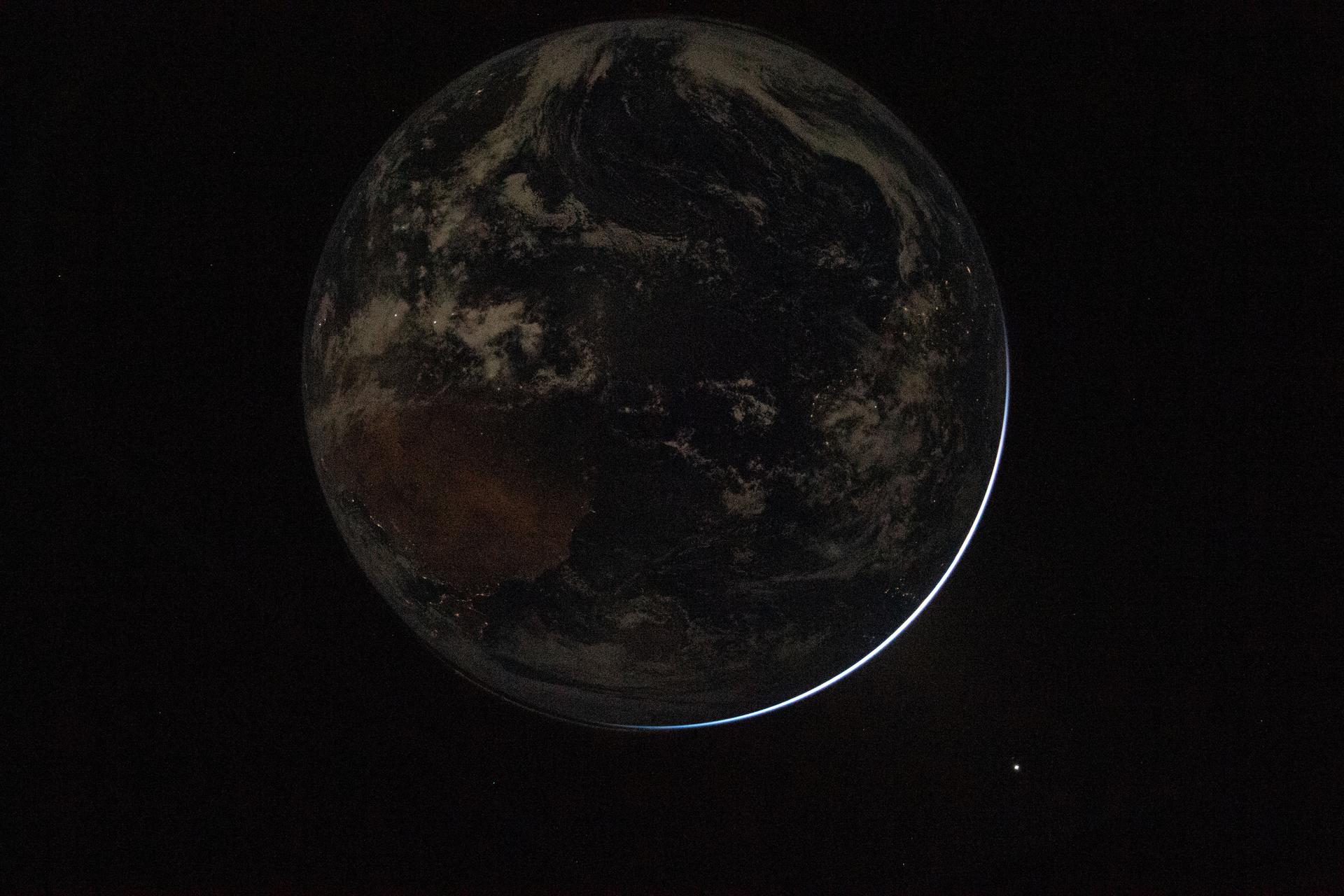
This view of the Earth at night, acquired aboard the Artemis II mission, shows the tremendous effects of global light pollution in a way that none of the Apollo missions ever could. The widespread electrification of the Earth at night, especially since the rise of LED lighting, has led to the greatest-ever levels of global light pollution in history. The locations of cities can be identified even from tens of thousands of kilometers away in space.
Credit: NASA
Aurorae are visible under close inspection: a result of the Sun-Earth connection.
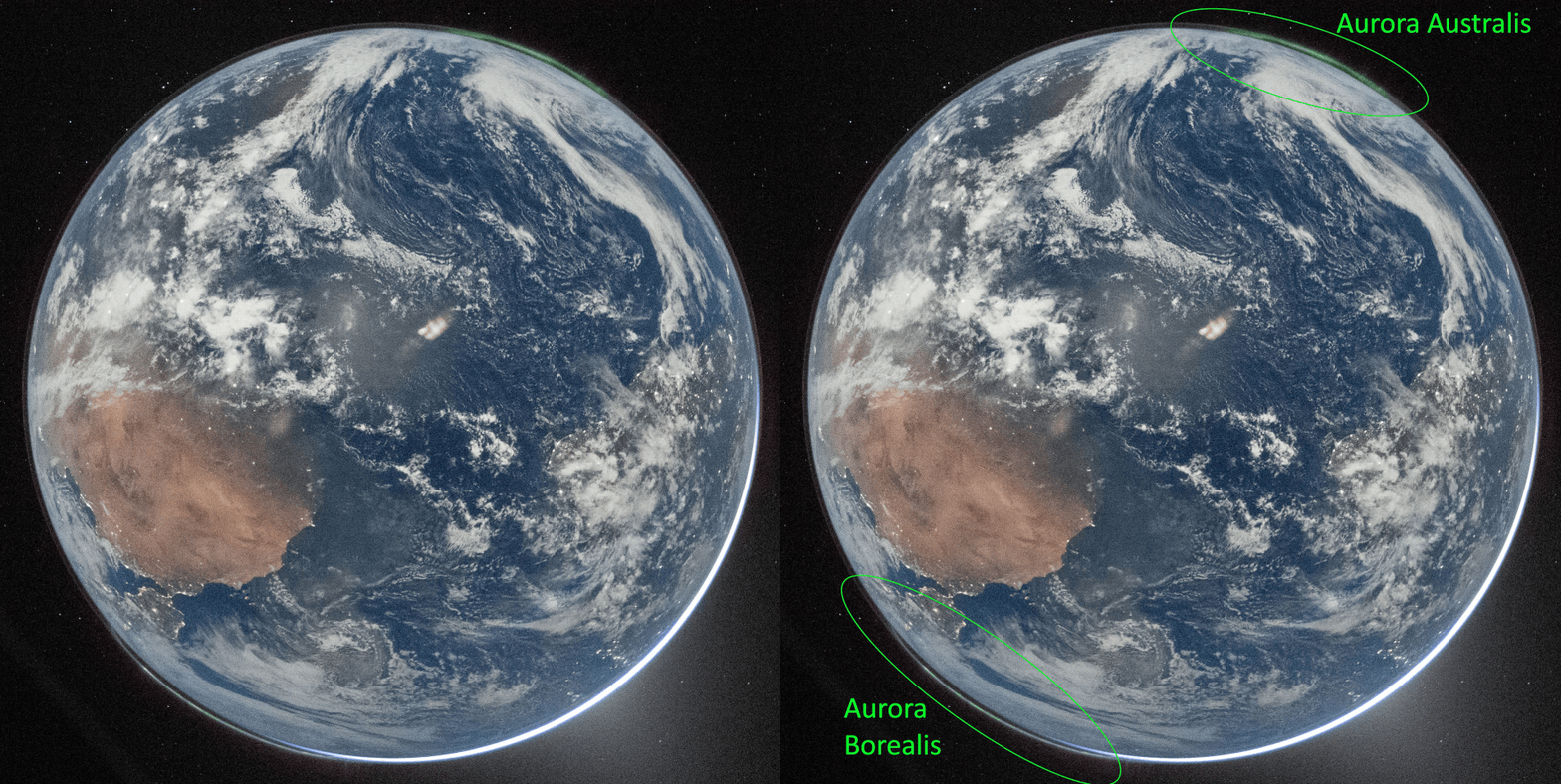
This view of the Earth, despite our planet’s brilliant appearance, was taken at night. Only the thin crescent at the lower-right is illuminated by the Sun; everything else is only faintly illuminated by the reflected glow of sunlight from the Moon. The aurorae are shown and labeled in the highlighted regions: in an unusual orientation, as there is no definitive “up” direction in space, only directions relative to what we can observe.
Credit: NASA; Annotations: E. Siegel
There are no borders from space, just billions of fragile humans aboard the same spaceship: Earth.
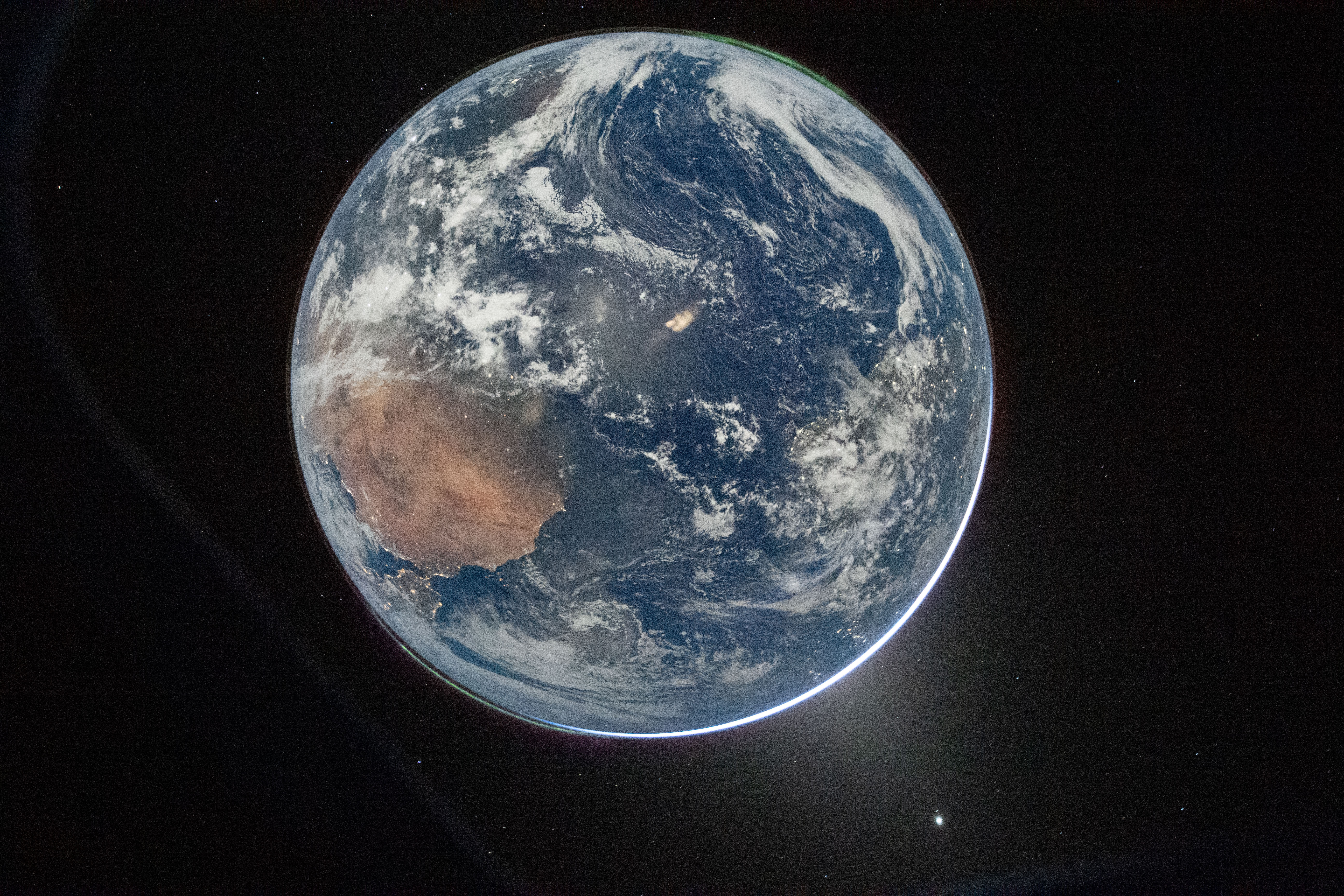
This image, of the Earth as seen from Artemis II after the gravity assist swung the spacecraft past the Earth before its journey to the Moon, showcases the overexposed night side of Earth. The planet Venus shines off to the right, the Zodiacal light diffusely glows alongside it, and the two polar aurorae can be seen at the upper-right and lower-left of the image. This unusual view of our planet was taken by a human: the first time the full disk of the Earth was seen with human eyes since 1972.
Credit: NASA
Perhaps, at last, Artemis II can inspire the most elusive of human achievements: peace.
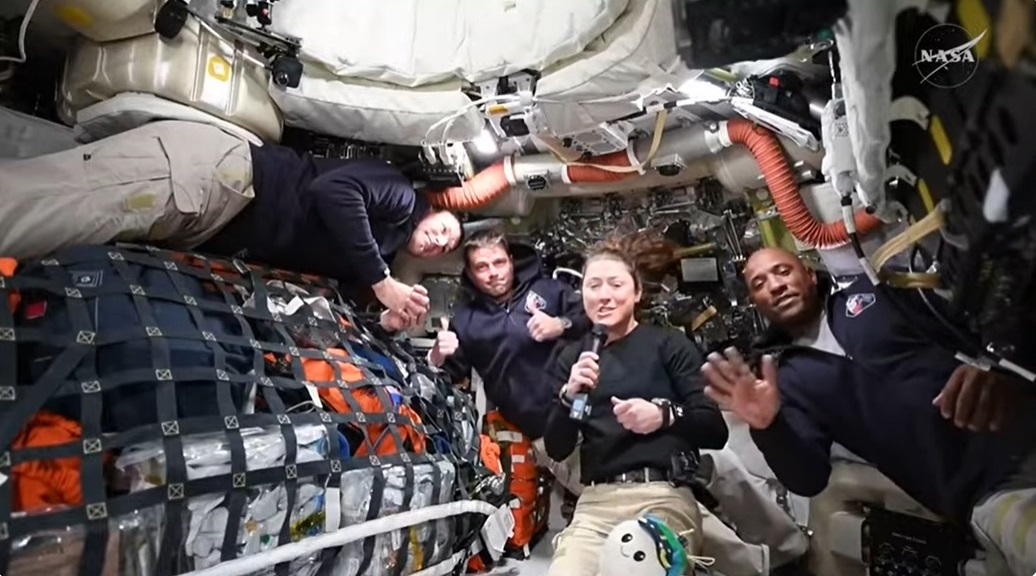
The four NASA Artemis II astronauts in space during their very first downlinked live stream, with modern, 2026 technology. It’s a reminder of what humanity can accomplish, and how far we can go in the Universe, if we invest in endeavors that support the collective good of our species.
Credit: NASA
The Earth, even today, remains humanity’s only home.
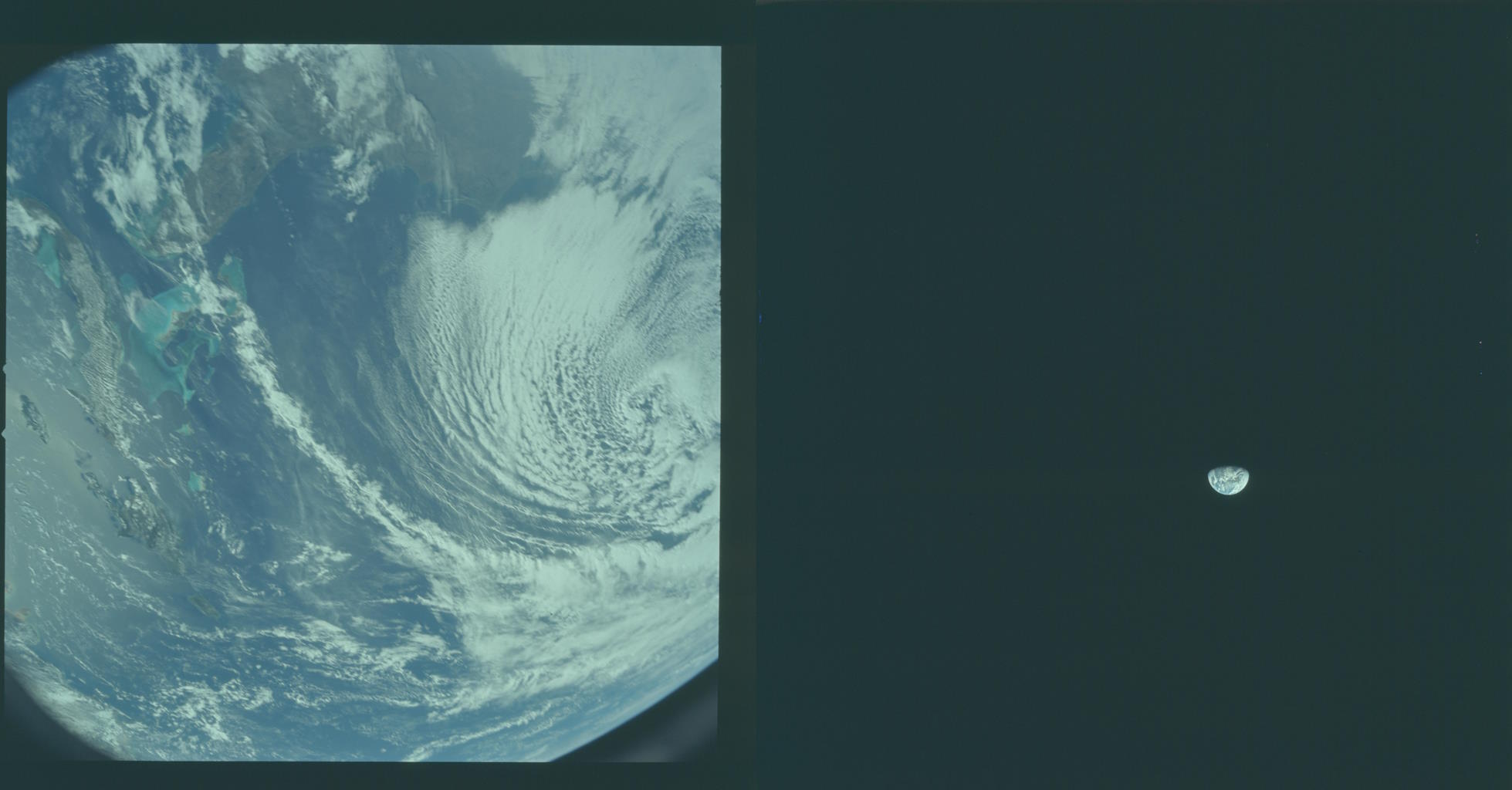
Apollo 8 astronauts were the first humans to reach great enough distances from our planet to be able to view the entire Earth at once. Here, the closest (left) and farthest (right) images of the Earth as seen with human eyes during the 20th century are shown as acquired with the same Hasselblad camera. The Artemis II mission and the humans on board it, occurring now in April of 2026, can finally take advantage of the opportunity to acquire a more distant image.
Credit: NASA/Apollo 8/Johnson Space Center
Mostly Mute Monday tells an astronomical story in images, visuals, and no more than 200 words.