

Certain exercises can act as quick checks of your fitness. When it comes to balance, the one-leg standing test is a simple way to see how you’re doing – especially for your age.
Good balance reflects strength, coordination and nervous system function, says Joseph Webb, chartered PT, nutritionist and award-winning coach. ‘It’s strongly linked to lower injury risk, better mobility and staying independent later in life.’
‘If you struggle with this test, it can be an early sign that strength, control or joint stability needs work,’ he adds. Here are the times to aim for – and how to improve.
Approximate one-leg stand times by age
While everyone varies slightly, a general guide is:
20-29: 50-60 seconds+
30-39: 45-55 seconds+
40-49: 40-50 seconds+
50-59: 30-40 seconds+
60-69: 20-30 seconds+
70-79: 10-20 seconds+
80-89: 5-10 seconds+
These are just guidelines – there’s no real ceiling, says Webb. ‘With regular practice, improvements can come quickly – often within days. Making it a daily habit has the biggest impact.’
What muscles are involved
It may look simple, but this test challenges several muscle groups at once:
Glutes and hips stabilise your pelvis
Core keeps your torso upright
Lower leg muscles – including calves and ankles – keep you steady
Smaller foot muscles help fine-tune your balance
How to do the one-leg stand
a) Stand tall on one leg, hands on hips. Keep your standing leg slightly bent, not locked, says Webb.
b) Stay upright and fix your gaze on a point in front of you. Think: firm foot, squeezed glutes, tall torso.
How to improve your time
The key is consistency and gradual progression.
1. Practise barefoot where possible
This helps activate the muscles in your feet and improves ankle stability, says Webb. ‘Focus on engaging your glute on the standing leg, as this stabilises the hip and makes balancing easier.’
2. Add movement as you improve
Gently move your free leg forwards, backwards or side to side. You can also trace your name or go through the alphabet to challenge your control further.
3. Build it into your routine
An easy way to stay consistent is to practise while brushing your teeth. ‘If you brush for two minutes, aim for one minute on each leg,’ Webb suggests.
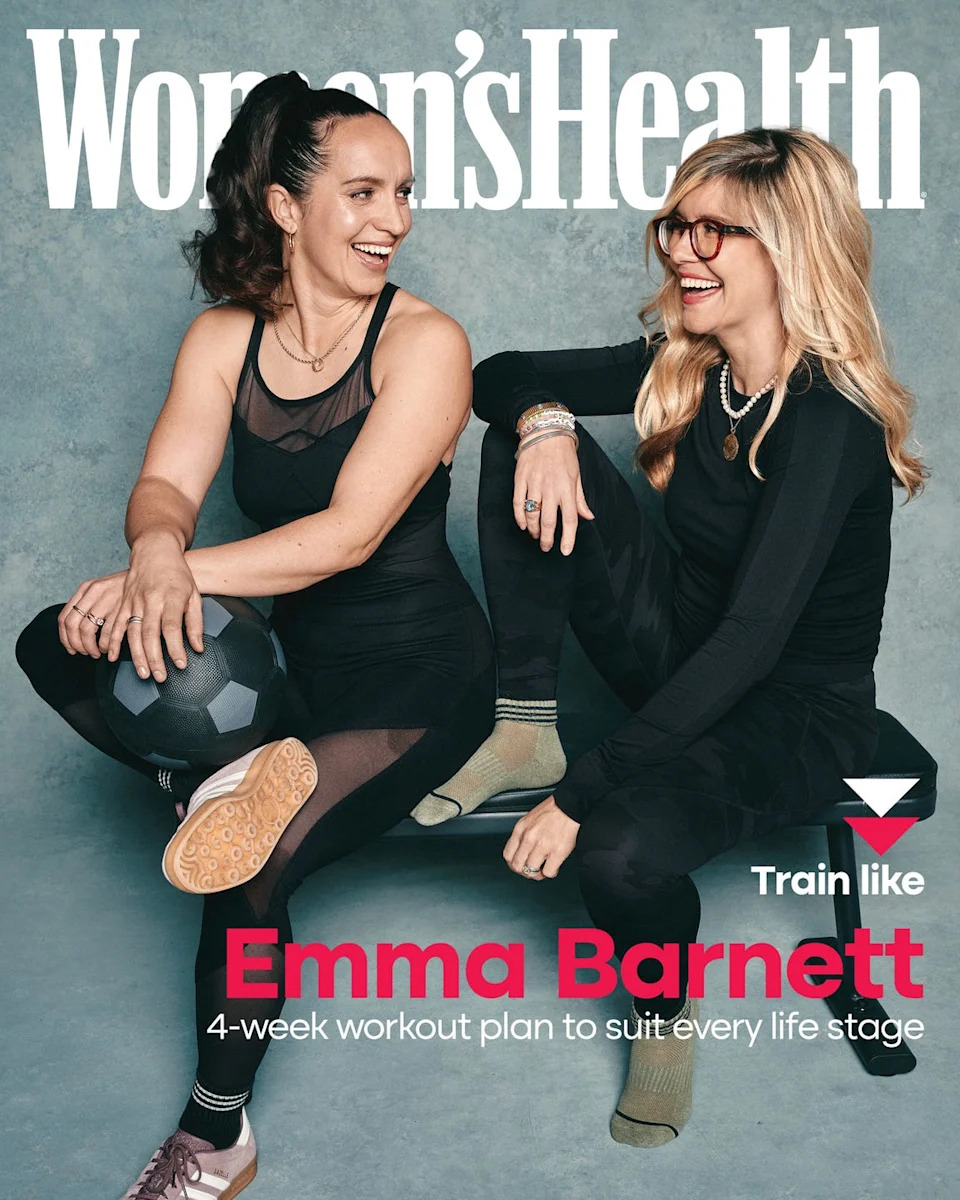
After years living with endometriosis and undergoing seven rounds of IVF, Radio 4 presenter Emma Barnett turned to training with PT Frankie Holah to rebuild strength and a more positive relationship with her body. Download the Women’s Health UK app to access Frankie’s full training plan.
Hearst Owned