
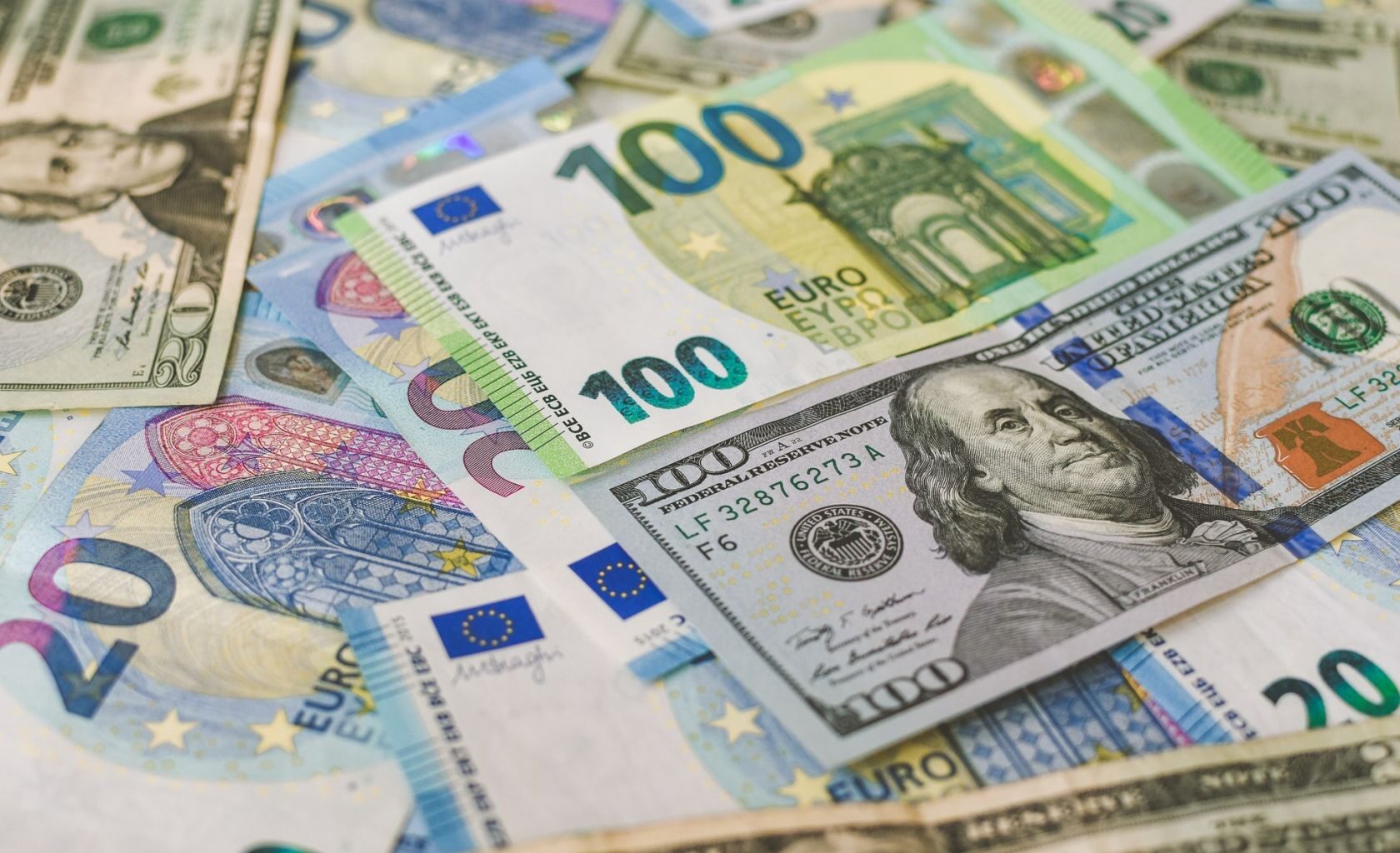
FILE – For illustration purposes only. [File photo: Lusa]
Mozambique’s net international reserves (NIR) surged in February to a new record of US$4,258 million (€3,862 million), ahead of the government using them in March to settle its debt with the International Monetary Fund (IMF).
These reserves—foreign currency required for the import of goods and services—had risen 1% in September, according to a statistical report from the Bank of Mozambique accessed by Lusa, to US$3,937 million (€3,409 million), the same level as in October, following the previous peak of US$4,035 million (€3,494 million) in August.
From December to January, they increased by almost another 1%, according to the report’s historical data, ensuring coverage of more than four months of import needs, and then reached a new maximum in February.
However, in response to complaints from business operators about a lack of foreign currency in the banking system, a Mozambican government source told Lusa that the possibility of lowering this reserve level is under study.
Despite this volume of reserves, businesses continue to report limited access to foreign currency needed for importing goods, as noted in November by the president of the Confederation of Economic Associations (CTA) of Mozambique, Álvaro Massingue.
“The shortage of foreign currency is today an economic emergency. Without foreign currency, companies cannot import raw materials, cannot fulfil contracts, and cannot grow. The state must guarantee priority access to foreign currency for producing and exporting companies and create incentives for those who export and substitute imports,” said Massingue.
Mozambique’s Finance Minister stated on Tuesday that the government paid off the country’s full IMF debt using its international reserves, ensuring that this decision does not compromise state institutions.
“We paid our debt service to the IMF using the country’s NIR. These are reserves that are already held or available at international financial institutions,” explained Finance Minister Carla Loveira.
The minister added that the funds used for the full and early repayment of €630 million to the IMF “are financial positions the country holds,” so there was no need to make any “budget adjustment for this purpose.”
According to Carla Loveira, there is no risk of undermining the functioning of Mozambican state institutions with this debt repayment: “since it was not done using the state budget.”
On Thursday, the Mozambican Ministry of Finance confirmed that it had made a “full and early repayment” of €630 million to the IMF, settling loans obtained under the Poverty Reduction and Growth Trust (PRGT).
In a statement, the ministry said it had proceeded with the “early repayment of all obligations” associated with Mozambique’s PRGT programme at the IMF, totalling US$698,587,604 (€630 million).
Mozambican business leaders view the full repayment to the IMF as a step towards consolidating confidence among external partners and creating conditions for deepening economic and financial cooperation. They also emphasise that macroeconomic stability should be accompanied by “consistent domestic measures that promote inclusive and sustainable growth.”
Source: Lusa