
On Tuesday, the U.S. and Iran agreed to a two-week ceasefire in a last-minute deal before President Donald Trump’s deadline for Iran to meet his demands or face wide-scale destruction.
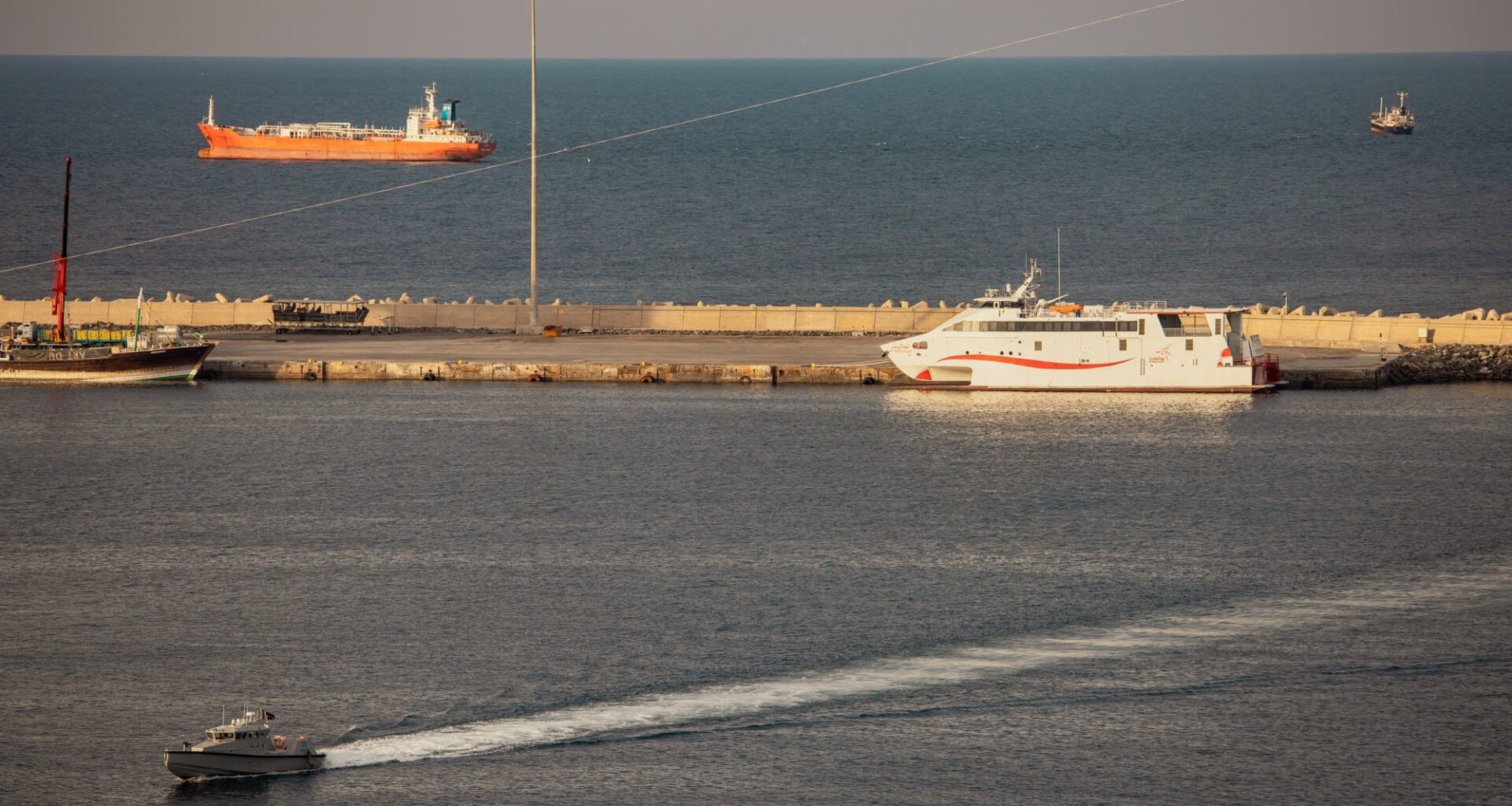
In that deal was a commitment to reopen the Strait of Hormuz, a waterway that normally handles about 20 million barrels of crude oil per day, for the next 14 days.
But even with the strait reopened, oil tankers haven’t exactly resumed “normal” operations. And until this war meets its official end, about 20% of the world’s supply of oil continues to sit in limbo.
“Marketplace” host Kai Ryssdal spoke with economist Mohamed El-Erian, the Rene M. Kern professor at the University of Pennsylvania’s Wharton School and chief economic advisor at Allianz, about what the war has meant for the U.S. and global economy.
Click the audio player to hear their conversation.
Related Topics